Invisible sustainability luxury hotel design as the new quiet status
The most interesting shift in luxury hospitality is almost silent now. The properties that matter treat invisible sustainability luxury hotel design as a baseline, not a campaign, and let the guest simply feel comfort and ease. You arrive at a hotel expecting beauty and service, and only later realise that every material, system and gesture has been edited to reduce environmental impact without touching indulgence.
In these hotels, sustainability is not a plaque in the lobby but a design language. Floors in public spaces might be reclaimed timber, while recycled glass glows under soft lighting that flatters skin tones and saves energy at the same time. Families notice that the room stays perfectly temperate and the air quality feels crisp, yet the heating cooling systems and energy management platforms remain completely invisible behind the walls.
For a premium family, this is where modern luxury now lives. You want a hotel that handles energy water efficiency, waste management and water waste reduction in real time, but you do not want to negotiate with a recycling chart while your children unpack. Invisible sustainability luxury hotel design respects that, using technology and long term planning so that guests experience only intuitive comfort, generous space and a hospitality team focused on service rather than manual eco friendly fixes.
Materials, light and air: when eco friendly choices feel purely indulgent
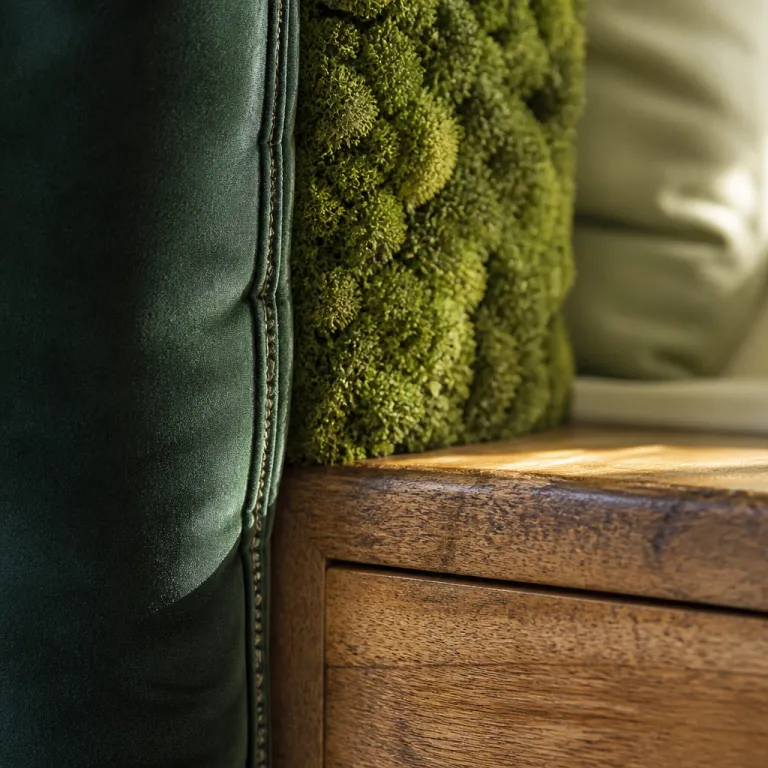
Look closely at the best hotels and you will see how interior design has become the front line of sustainable luxury. Stone in the spa might be locally quarried, textiles in the room quietly upcycled, and timber in the lobby sourced from certified forests, yet the overall hotel design reads as tailored and timeless rather than worthy. This is invisible sustainability luxury hotel design at work, where every surface feels luxurious while quietly lowering environmental impact through careful sourcing and reduced transport.
Lighting is another subtle signal that luxury sustainability has matured. Thoughtful hotel teams now use layered lighting systems that combine warm LEDs, daylight sensors and smart controls, so guests enjoy flattering pools of light while the hotel cuts unnecessary energy use. Families notice that children fall asleep more easily in rooms where glare is reduced and circadian friendly lighting is standard, even if no one ever mentions the word sustainability at check in.
Air quality and acoustics complete this sensory envelope. High performance glazing, natural paints and renewable energy powered ventilation systems keep traffic noise and pollutants out, so guests simply register that they slept unusually well and woke without headaches. Many of the most forward looking properties also weave biophilic interior design into their public spaces, using greenery and natural textures to calm the nervous system ; for a deeper dive into this nature led approach, see our analysis of biophilic design in luxury hotels and how it reframes sustainable luxury as a wellness asset.
Back of house brilliance: systems you never see but always feel
The real test of invisible sustainability luxury hotel design sits far from the lobby flowers. In the kitchen laundry corridors and engineering rooms, advanced systems now orchestrate energy management, heating cooling efficiency, and water waste reduction with a precision that guests will never witness. These platforms track energy water consumption in real time, adjusting flows and temperatures so that the hotel uses only what it needs while maintaining absolute comfort.
For families, the benefit is tangible even if the technology stays hidden. Breakfast buffets feel abundant, yet behind the scenes waste management software predicts demand and trims overproduction, while kitchen teams repurpose surplus into staff meals rather than landfill. Laundry operations now use low temperature cycles, eco friendly detergents and water recycling loops, so the sheets feel just as crisp but the environmental impact per room drops dramatically.
Wellness spaces are becoming laboratories for this quiet innovation. In a leading spa, pools may be filtered with advanced systems that reduce chemical use, while renewable energy sources preheat water for hydrotherapy circuits and family friendly pools. Cognitive comfort is part of the equation too ; the smartest hotels now design for how you think and decompress, using sound, light and layout to reduce mental fatigue, a trend we unpack in detail in our feature on cognitive wellness in luxury hotels and its role in the next generation of luxury hospitality.
Guest experience: how the greenest hotels let you find the story yourself
The most confident properties rarely lead with the word sustainable anymore. They focus instead on guest experience, trusting that families will sense the care in the way a room works, the way a spa feels, the way a restaurant tastes. As one recent analysis put it with precision, "The most successful luxury projects embed sustainability so seamlessly into the guest experience that it disappears entirely" and that is exactly what you feel when everything simply functions beautifully.
At Four Seasons Resort Peninsula Papagayo, for example, landscape architecture and site planning by EDSA restore native ecosystems while framing every view as a design moment. Guests walk shaded paths that reduce heat gain, swim in pools that blend into the coastline, and enjoy wellness programming that draws on local traditions, all without being lectured about hospitality tourism or carbon footprints. The sustainability work is rigorous, but the narrative you experience is one of ease, place and modern luxury.
Families booking through a curated luxury hospitality platform should look for this quiet confidence. Instead of chasing labels, read how the hotel talks about energy, water and materials, and whether luxury sustainability is framed as part of long term operational excellence rather than a seasonal campaign. Our own guides, from Mediterranean bleisure escapes to urban family stays, highlight properties where invisible sustainability luxury hotel design supports flexible itineraries ; a good starting point is our feature on turning a business trip into a Mediterranean family escape, which showcases hotels that balance work, play and genuine eco friendly practice.
How to read between the lines when booking sustainable luxury for families
For a premium family planning a stay, the challenge is separating marketing from meaningful action. Certification can help, but the landscape is uneven, with some labels reflecting deep operational change and others functioning as pay to play logos that say little about invisible sustainability luxury hotel design. Rather than chasing acronyms, focus on how a hotel explains its design choices, its systems for energy management and waste management, and its commitment to reducing environmental impact over the long term.
Start with the basics that matter most to your stay. Does the hotel describe how it manages energy water use, from low flow fixtures to smart irrigation and renewable energy sourcing, or does it simply mention that it is green without detail ? Are there references to air quality, heating cooling efficiency, and kitchen laundry upgrades that reduce water waste while maintaining service levels for guests and staff alike. These specifics signal that sustainability is embedded in the hotel design rather than bolted on as an afterthought.
Then look at how all this supports your family’s comfort. A property that invests in high performance interior design, thoughtful lighting and wellness focused spa facilities is usually thinking in decades, not seasons, which aligns with the long term horizon of true sustainable luxury. When invisible systems protect the landscape, restore native planting and quietly lower energy use, you gain a richer guest experience, your children gain a more resilient future, and luxury hospitality moves closer to the standard it should have set from the beginning.
FAQ
How do luxury hotels integrate sustainability without compromising comfort ?
Luxury hotels integrate sustainability by embedding it into architecture, interior design and operations rather than treating it as an add on. High performance building envelopes, efficient heating cooling systems and renewable energy sources maintain comfort while cutting resource use. Guests feel stable temperatures, good air quality and intuitive lighting, but rarely see the technology doing the work.
What are the benefits of invisible sustainability for guests ?
Invisible sustainability improves the guest experience by making spaces more comfortable, quieter and healthier without adding friction. Better air quality, natural materials and smart lighting support deeper sleep and more restorative stays for families. At the same time, efficient systems reduce operating costs, which helps hotels reinvest in service and amenities.
Can sustainability and luxury truly coexist in hospitality ?
Sustainability and luxury coexist when design teams treat environmental performance as a core quality standard rather than a constraint. Thoughtful material choices, efficient systems and careful site planning allow hotels to offer generous space, high service levels and rich wellness experiences with a lower environmental impact. As one expert summary notes, "Can sustainability and luxury coexist in hospitality?" and answers clearly, "Yes, through thoughtful design and strategic planning."
What should families look for when booking an eco friendly luxury hotel ?
Families should look for clear explanations of how the hotel manages energy, water and waste, not just broad claims about being green. References to renewable energy, water saving fixtures, waste management programmes and long term restoration of native landscapes indicate serious commitment. Reviews that mention comfort, quiet rooms and a strong sense of place often signal that invisible sustainability is working well.
Why do some luxury hotels avoid using the word sustainable in marketing ?
Many top tier hotels avoid the word sustainable because guests now assume a basic level of responsibility and judge instead on comfort, design and authenticity. Overusing the term can feel like marketing rather than substance, especially in the luxury segment. Properties that have invested deeply in invisible sustainability prefer to let guests notice the quality of the experience first and then learn about the underlying systems if they choose.