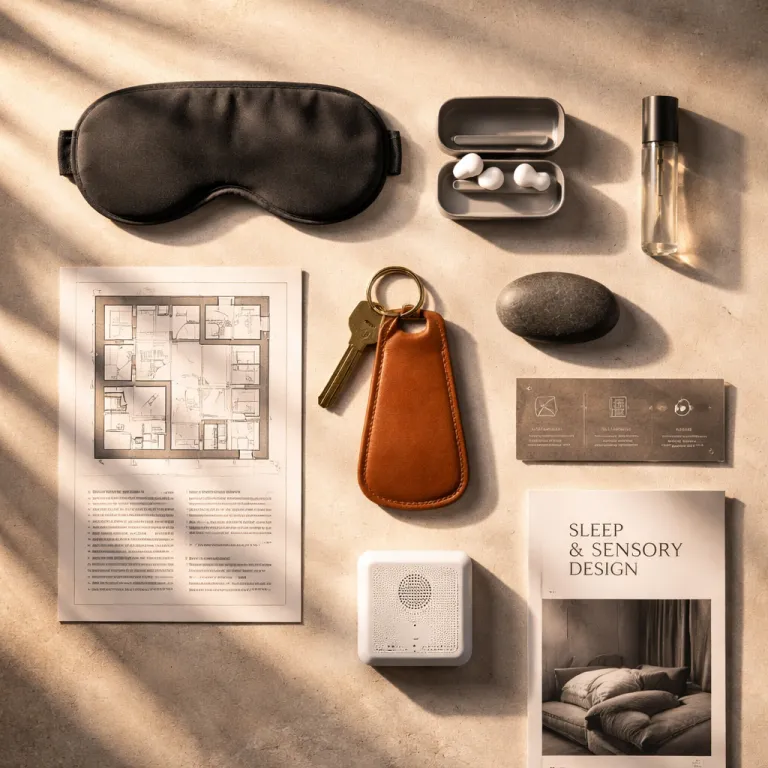
The rise of cognitive wellness luxury hotels and brain led design
Cognitive wellness in luxury hotels and brain led design is no longer a niche phrase. It has become a quiet operating system for the smartest properties, shaping every decision from corridor width to minibar layout. For business leisure travelers, this shift turns a standard hotel stay into a calibrated experience for focus, recovery and mental clarity.
Hospitality leaders have finally accepted that wellness is not just a spa treatment or a scented candle. It is a complete system that supports the nervous system, brain health and long term performance from check in to late checkout. The Global Wellness Economy Monitor 2023 from the Global Wellness Institute estimates the wellness tourism market at over $900 billion and growing at roughly 16% annually, with high end properties increasingly integrating cognitive principles into design. This widens the competitive gap between wellness hospitality pioneers and traditional hotels with every opening.
At the core sits a simple idea: the brain hates friction. Every unnecessary choice, from ten pillow menus to aggressive lighting controls, drains cognitive energy that guests would rather spend on a board presentation or a hike in nature. Brain conscious hotel design responds with fewer, better choices, intuitive technology and wellness spaces that feel obvious rather than announced.
Hotel designers, architects and cognitive scientists now work as a single équipe. They use biophilic design, natural materials and adaptive lighting systems to create wellness spaces that calm the nervous system before the guest even notices. The most advanced wellness hospitality projects treat the building itself as a fitness wellness tool for the brain, not just a container for a gym and a spa.
“What is cognitive wellness in hotels? Designing hotel spaces to support mental well-being.” That definition, once theoretical, now guides real estate decisions, materials light specifications and acoustic strategies in luxury properties from Europe to Costa Rica. For guests, the result is an experience where health, sleep and focus are protected as carefully as privacy and security.
Lanserhof Tegernsee in Bavaria remains a reference point for this movement. Opened in 2014 as part medical resort, part luxury retreat, the property’s wellness experiences are built into architecture: proportions, daylight and silence are treated as primary therapies rather than décor. Here, brain led hospitality means that every space, from the cold plunge deck to the library, is tuned for nervous system recovery, supported by structured programs that can run from three days to three weeks.
Executives extending business trips into leisure are driving much of this demand. They arrive with elevated stress levels, fragmented sleep and a fitness routine that has survived too many red eye flights. For them, a hotel that understands brain health is not a trend piece; it is a competitive advantage.
These guests are also increasingly vocal about what isn’t working. Overstimulating lobbies, aggressive scent marketing and chaotic breakfast buffets now read as dated, mass appeal hospitality. Recent surveys from premium hotel groups, including 2022 polling by Preferred Hotels & Resorts, indicate that a large majority of luxury travelers say they can spot a hotel designed for mass appeal, and they are willing to pay a premium for properties that respect cognitive load instead.
From spa amenity to always on architecture for the brain
The most interesting shift in wellness hospitality is almost invisible. Instead of adding another spa wing or more fitness machines, leading hotels are rethinking the bones of the building to support cognitive wellness and brain friendly design. Wellness becomes an always on operating system rather than a scheduled appointment.
Think about how cognitive load shows up during a typical stay. You land late, navigate a bright lobby, negotiate check in, decode the room controls and then face a minibar that looks like a supermarket shelf. By the time you reach the pillow, your nervous system is wired, your brain is overstimulated and deep sleep feels very far away.
Smart hotels now treat this as a design problem, not a guest failing. They use circadian friendly materials and light schemes that dim gradually, intuitive room systems that default to calm and layouts that reduce visual noise. In these wellness spaces, the guest experience is shaped by what you do not have to decide, not by how many features you can operate.
Hilton’s “hushpitality” concept captured this mood when internal research released in 2023 showed guests willing to pay more for less stimulation and quieter rooms. That trend aligns perfectly with brain sensitive hotel design, where silence, proportion and nature become the new luxury. For executives, a hotel that protects quiet thinking time between meetings is more valuable than another champagne amenity.
Los Angeles has become a fascinating test bed for this approach. Several luxury hotels in Los Angeles for discerning travelers now integrate biophilic design, acoustic treatment and natural materials into suites aimed at business leisure guests. In these properties, fitness wellness is not confined to a basement gym; it extends into staircases designed for walking meetings and terraces that double as outdoor workspaces.
Wellness tourism destinations such as Costa Rica are pushing even further. Here, resorts wellness projects embed nature into every circulation route, so that a walk from room to restaurant becomes a micro treatment for brain health. The combination of ocean air, greenery and controlled materials light exposure helps reset the nervous system after long haul flights.
Inside the rooms, the details matter. Upholstery uses low toxin natural materials, blackout systems are intuitive rather than theatrical and the bed is oriented to morning light rather than the television. These choices may look minimal, yet they form a powerful system for sleep recovery and long term health.
For travelers comparing options on a premium booking platform, the question shifts from “does this hotel have a spa?” to “how does this hotel’s design protect my cognitive bandwidth?” Our own guide to refined elegance in Los Angeles highlights properties where the guest experience is engineered for mental clarity, not just visual drama. That is where brain focused luxury hospitality stops being a concept and becomes a booking filter.
Productivity sanctuaries between meetings: where wellness meets performance
For the business leisure executive, the hotel is now a performance lab. Cognitive wellness oriented luxury hotels reframe hospitality as a partner in decision making, not a backdrop to it. The best properties function as productivity sanctuaries between meetings, where every element supports focus, recovery and strategic thinking.
Smart room automation plays a central role here. Pre set environments adjust temperature, materials light levels and even curtain positions based on the guest profile, reducing the micro decisions that usually drain energy. When the system anticipates your preferences, your brain can stay on the presentation, not the thermostat.
Fitness wellness is also being reimagined for cognitive outcomes. Instead of oversized gyms filled with identical machines, leading wellness hospitality brands curate smaller, more intentional fitness spaces with clear zoning for strength, mobility and nervous system down regulation. Cold plunges, breathwork corners and guided stretching areas sit alongside traditional equipment to support both physical and mental recovery.
Lanserhof Tegernsee again offers a benchmark, especially for executives willing to invest in structured reset programs. Here, the guest experience is choreographed around diagnostics, tailored movement and targeted treatment, all supported by architecture that feels more like a serene clinic than a conventional resort. The message is clear: brain health and business performance are now inseparable in the luxury travel conversation.
In North America, properties around Sedona’s red rocks show how nature amplifies this effect. Several luxury hotels in Sedona use biophilic design, outdoor wellness spaces and carefully framed views to create a sense of cognitive spaciousness. Our in depth look at red rock elegance and spa indulgence highlights how these resorts wellness strategies turn landscape into a daily treatment for the nervous system.
Sleep remains the non negotiable pillar. Brain centric hotel design treats sleep as a core asset, not a background function, with mattress systems tuned for pressure relief, acoustic insulation that actually works and lighting that respects circadian rhythms. When a guest wakes feeling genuinely restored, the ROI on the room rate becomes self evident.
Courtesy also evolves in this context. The most advanced teams know when not to knock, when to delay housekeeping and when to route calls to voicemail to protect deep work blocks. In these hotels, hospitality isn’t about constant interaction; it is about reading cognitive cues and shaping the environment accordingly.
For travelers booking through a curated platform, the differentiator is often invisible. A property that understands cognitive load will feel calmer from the first step into the lobby, even if you cannot immediately explain why. Our guide to elevating your stay with VIP hotel booking services focuses precisely on these subtleties, matching guests to hotels where design, service and wellness experiences align with how high performers actually live and work.
When wellness design goes too far: personality, real estate and the future
There is a risk in all this. Cognitive wellness driven luxury hotels can slide into sterile minimalism if owners mistake emptiness for calm. Guests do not want to sleep in a clinic; they want character, narrative and a sense of place, held within a system that respects their brain.
The most sophisticated projects treat wellness as a lens, not a theme. They use natural materials, biophilic design and carefully tuned materials light to support health, while still expressing local culture through art, craft and proportion. In these hotels, wellness spaces feel rooted in their environment rather than imported from a generic spa catalogue.
Real estate strategy is also evolving. Developers now evaluate plots not only for views and access, but for noise patterns, air quality and proximity to nature that can support long term brain health. A site that allows for generous green spaces, quiet circulation routes and restorative vistas will often outperform a more central but overstimulating location in the wellness tourism market.
Cold plunge culture illustrates both the promise and the pitfall. Thoughtful resorts wellness programs integrate a cold plunge or several cold plunges into a wider thermal circuit, with clear guidance on nervous system effects and recovery. Less considered projects simply drop an icy pool next to a loud fitness area, turning a powerful treatment into a social media prop.
The future wellness landscape will reward nuance. Hotels that succeed will embed cognitive principles into their operating system, from staff training to minibar curation, without turning every corridor into a manifesto. They will understand that wellness experiences are as much about what you edit out as what you add in.
Guests are already voting with their bookings. Case studies reported in outlets such as Hotelier Magazine and Hospitality Net describe double digit increases in guest satisfaction scores for hotels that implement thoughtful cognitive design, suggesting that properties which balance luxury, personality and cognitive ease see higher repeat rates and stronger loyalty. Over time, this will reshape asset values, as wellness hospitality becomes a core driver of real estate performance rather than a marketing add on.
For travelers, the practical takeaway is simple. Choose hotels that talk about sleep, light, sound and nature with the same precision they apply to thread counts and wine lists. When brain conscious luxury hotel design is treated as a foundation rather than a feature, your stay becomes more than a night away from home; it becomes a reset for how you think.
And for the industry, the message is even sharper. Wellness isn’t a scented towel at turndown anymore; it is the architecture of attention, the choreography of choices and the quiet courtesy of letting the brain rest. The smartest hotels are already building for that future wellness reality, one calm, intelligently designed space at a time.
Key figures shaping cognitive wellness in luxury hotels
- Industry commentary in outlets such as Hospitality Net suggests that a significant share of upscale and luxury hotels are now experimenting with cognitive and wellness informed design, signalling that wellness architecture is moving from experiment to emerging standard in the high end segment.
- Case studies reported in Hotelier Magazine and similar publications since around 2020 describe notable increases in guest satisfaction for properties that integrate cognitive and wellness focused design elements, often in the range of 10–20%, underlining the commercial impact of investing in brain friendly spaces.
- Hilton’s “hushpitality” research, shared in brand communications in 2023, shows guests are willing to pay a premium for reduced stimulation, with internal surveys indicating strong preference for quieter floors and simplified room controls, confirming that low friction environments have become a monetizable form of luxury.
- Surveys from Preferred Hotels & Resorts and other luxury consortia indicate that a large majority of luxury travelers feel they can identify hotels designed for mass appeal, which pushes high end properties to differentiate through more thoughtful, wellness led design.