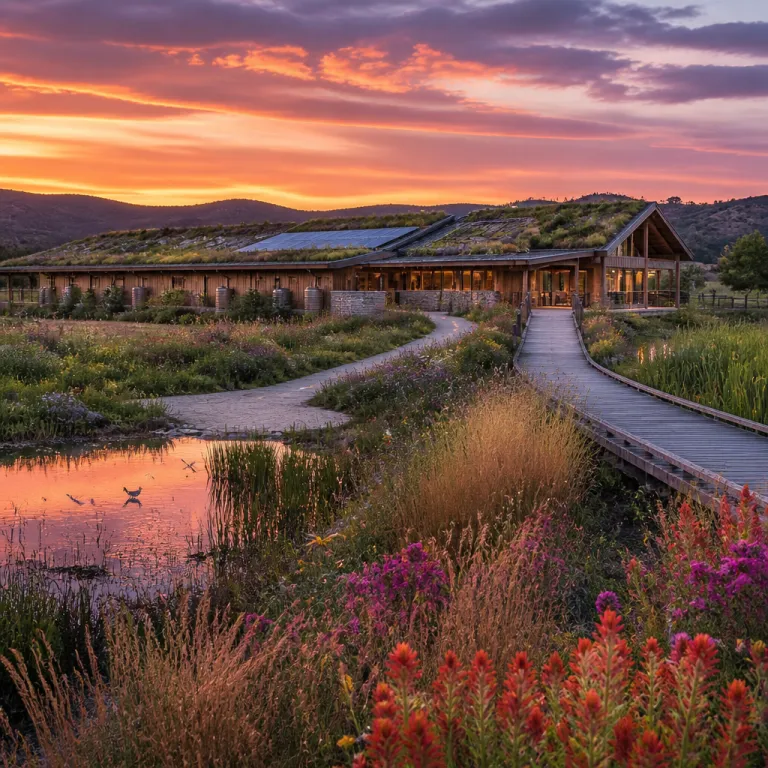
From sustainable to regenerative luxury: what changes for your stay
Regenerative luxury hotels and their sustainable tourism impact are reshaping how high end families think about travel. Where sustainable tourism once focused on reducing harm, regenerative tourism now aims for a net positive contribution to ecosystems and local communities through deliberate restoration. For a premium family planning their next hotel stay, that shift means your choice of property can actively support sustainable development rather than simply offsetting damage.
In hospitality, the term regenerative describes hotels and retreats that restore soil health, rewild landscapes, and fund cultural preservation as part of daily operations. A regenerative hotel is defined very clearly in expert guidance; “A hotel that actively improves its environment and community.” This is the core of regenerative luxury, where the pool, the spa, and the kids’ club sit alongside reforestation projects, reef nurseries, and long term tourism development plans that keep destinations viable for the next generation.
Families comparing luxury hotels now need to read beyond the sustainability page and look for evidence of regeneration, not just recycling and LED bulbs. Regenerative travel means your stay contributes to measurable restoration of wetlands, mangroves, or a nearby national park, while fair employment practices ensure staff are hired locally and paid properly. When you see a hotel explain how its tourism strategy protects water sources, funds local communities, and supports cultural development, you are looking at regenerative tourism in action rather than marketing gloss.
How regenerative luxury hotels work on the ground for families
For parents, the most convincing proof of regenerative luxury hotels’ sustainable tourism impact is what children can actually see and touch. On a coastal property aligned with regenerative tourism, your morning might start with a guided reef restoration snorkel where kids help attach coral fragments, followed by an afternoon planting native trees that support long term regeneration of bird habitats. These hands on activities turn regenerative travel into a living classroom, grounding big ideas about sustainability in real ecosystems.
Across leading luxury hotels and retreats, regenerative luxury now means biophilic design, renewable energy, and low impact materials as standard, not as a marketing flourish. Many hotels partner with local communities and environmental organisations so that tourism development funds school programs, cultural festivals, and small scale agriculture that keeps food sourcing local and seasonal. When a hotel explains how its partnerships with conservation groups protect a nearby national park while creating jobs in surrounding villages, you can see how tourism strategies focused on regeneration become a practical form of sustainable development.
Families should look for clear criteria that go beyond generic sustainability claims and into specific regeneration outcomes. Ask how the hotel measures positive impact on biodiversity, water quality, and local economies, and whether any luxury certification or GSTC aligned certification backs those claims. When a hotel shares data on reduced emissions, restored hectares, and the number of local artisans supported, you know your tourism choices are supporting both sustainable tourism and genuine regeneration rather than vague promises.
Verifying regenerative claims: certifications, criteria and real impact
As regenerative luxury hotels and their sustainable tourism impact become a trend, the language of regeneration risks turning into the new greenwashing. Families booking a luxury hotel need simple tools to separate marketing from measurable restoration, especially when planning a once a year trip with children. Start by checking whether the hotel aligns with Global Sustainable Tourism Council (GSTC) criteria or equivalent frameworks that assess both environmental performance and community outcomes.
Certification alone is not enough, but it is a useful filter when comparing hotels in similar destinations. Look for properties that publish clear sustainability reports, outline their regeneration projects, and explain how tourism development is governed in partnership with local communities rather than imposed from outside. When a hotel talks about long term regenerative strategies, it should show how energy, water, waste, and land use are managed in a way that supports ongoing recovery of ecosystems and cultural heritage.
Financial transparency is another signal that a hotel takes regenerative tourism seriously rather than treating it as a trend. Some leaders in the tourism industry now share how a percentage of room revenue funds conservation, education, or cultural development, and how those funds are audited. For readers interested in how carbon reporting will reshape which hotels get booked, this deep dive on Scope 3 emissions in hospitality shows why measurable data will increasingly guide regenerative travel decisions.
Family experiences that make regeneration tangible for children
Regenerative luxury hotels’ sustainable tourism impact becomes meaningful for families when children can connect their stay to real places and people. Many regenerative hotels now design kids’ programs around local ecosystems, from turtle monitoring walks at dawn to seed collection for native forest regeneration in the afternoon. These activities turn tourism into a shared project with local communities, rather than a performance staged only for visitors.
In destinations near a national park, the best retreats often collaborate with park rangers and scientists to create family friendly field trips. Children learn how responsible tourism practices, such as staying on marked trails and respecting wildlife corridors, directly support regeneration of fragile habitats. Parents see how thoughtful tourism development protects the natural capital that underpins the entire hospitality economy, ensuring that future visits will still feel wild and unspoiled.
Cultural immersion is just as important as environmental restoration in any serious regenerative tourism model. Look for hotels where local artisans teach crafts, musicians host small concerts, and elders share stories that explain why certain landscapes are sacred, linking cultural development to land stewardship. When a hotel’s program shows how regenerative travel supports both cultural and ecological renewal, your family holiday becomes part of a long term positive impact story rather than a one off escape.
Choosing truly regenerative hotels on a luxury booking platform
On a luxury and premium booking website, the regenerative luxury hotel’s sustainable tourism impact should be visible in how properties are presented, not hidden in a footnote. When you browse a curated collection, pay attention to whether regeneration projects sit alongside spa menus and suite descriptions, with the same level of detail and pride. A serious platform will explain how each hotel works with local communities, what regeneration metrics are tracked, and which certification schemes or GSTC aligned criteria are met.
Some collections, such as the emerging Regenerative Hotels network or the fictional ownia collection style of curation, focus specifically on properties that leave destinations better than they found them. On these platforms, you should see clear references to regenerative tourism, sustainable development, and long term restoration strategies that go beyond basic sustainability. When a listing explains how a hotel’s tourism development plan restores wetlands, funds cultural festivals, and supports local agriculture, you can book knowing your stay contributes to a positive impact.
For families who care as much about a hotel bar’s sense of place as its cocktail list, regenerative thinking extends to social spaces as well. This analysis of hotel bars that outshine the rooms shows how third spaces can anchor community life rather than exclude it. When a hotel bar hosts local musicians, showcases regional ingredients, and welcomes neighbours alongside guests, it becomes part of the regeneration of cultural life, not just another luxury amenity.
Economic resilience and the long term case for regenerative luxury
Behind the poetry of regenerative luxury hotels’ sustainable tourism impact lies a hard headed economic argument. Destinations that embrace regenerative tourism protect the natural and cultural assets that draw visitors in the first place, from coral reefs to historic neighbourhoods. For the tourism industry, this is not philanthropy; it is risk management and asset protection over the long term.
When tourism development ignores regeneration, overuse of water, land, and cultural sites eventually erodes the very appeal that justified the hotel in the first place. Regenerative travel strategies, by contrast, treat local communities as partners and co investors, ensuring that tourism revenue supports education, healthcare, and cultural development that make destinations more resilient. Families who choose hotels with strong sustainability and regeneration credentials are effectively voting for a tourism model that will keep their favourite places viable for their children and grandchildren.
Booking platforms that highlight regenerative luxury and robust environmental practices help shift demand toward properties that invest in long term regeneration rather than short term extraction. As more travelers expect credible sustainability, the next competitive edge will belong to hotels that can show how their operations restore ecosystems and strengthen local economies. For a deeper sense of how luxury properties are rethinking their role in urban destinations, this guide to refined luxury hotels in Los Angeles illustrates how location, community, and design now intersect with sustainability expectations.
Key statistics on regenerative hotels and sustainable tourism
- According to the Sustainable Travel Report, 70% of travelers now actively seek sustainable accommodations, confirming that sustainability has shifted from niche preference to mainstream expectation in the tourism industry.
- Global advisory firms report a steady rise in investment in green infrastructure for hotels, indicating that regenerative tourism and sustainable development are becoming core business strategies rather than optional extras.
- Industry analyses show continuous growth in regenerative tourism certifications and GSTC aligned schemes, helping families identify hotels with verified practices that go beyond basic eco labels.
- Hospitality initiatives focused on regeneration consistently highlight goals such as achieving net positive impact, fostering environmental stewardship, and enhancing local economies, aligning directly with the broader vision of regenerative luxury hotels and sustainable tourism impact.
FAQ about regenerative hotels and family travel
What defines a regenerative hotel compared with a sustainable hotel ?
The key difference is that a regenerative hotel aims for net positive impact, actively improving ecosystems and communities rather than simply reducing harm. Sustainable tourism focuses on minimising negative effects, while regenerative tourism invests in projects such as reforestation, reef restoration, and cultural preservation. For families, that means your stay contributes to long term positive impact rather than just offsetting damage.
How do regenerative hotels benefit local communities ?
Regenerative hotels benefit local communities by creating stable employment, sourcing goods and services locally, and funding education, healthcare, or cultural programs. Many properties co design tourism development plans with community leaders so that revenue supports priorities such as school upgrades or heritage site restoration. This approach ensures that tourism strategies centred on regeneration strengthen social fabric instead of displacing residents.
Are regenerative hotels always more expensive for families ?
Regenerative hotels are not automatically more expensive, and many offer competitive pricing compared with conventional luxury hotels in the same destinations. Costs depend on location, design, and service level, but efficient energy use and local sourcing can actually reduce operating expenses over the long term. Families can often find good value by travelling outside peak dates or choosing retreats slightly away from the busiest hotspots.
How can I verify a hotel’s regenerative claims before booking ?
Start by checking for recognised certification or alignment with GSTC criteria, then read the hotel’s sustainability or regeneration report if available. Look for specific data on emissions, water use, habitat restoration, and community investment, rather than vague language about being green. Reviews from previous guests and feedback from local communities can also reveal whether regenerative luxury claims translate into visible, on the ground impact.
What should I look for on a booking website to find regenerative hotels ?
On a luxury booking platform, search filters and property descriptions should highlight regenerative tourism, sustainable development, and partnerships with local communities. Detailed sections on regeneration projects, certification status, and long term sustainability goals are strong indicators of seriousness. When a listing explains how your stay supports both environmental regeneration and cultural development, you are likely looking at a genuinely regenerative luxury hotel.