The quiet luxury hotels silence privacy trend as an economic model
Quiet is no longer a mood board; it is a business model. What began as a quiet luxury movement has evolved into a hospitality strategy that treats silence and privacy as core assets. High-end hotels are shifting from selling square meters and chandeliers to selling fewer keys, less stimulation, and more control over sensory input. In this new hush economy, the smartest luxury properties understand that scarcity of sound, people, and visual noise lets guests access a different order of calm.
Across luxury hotels and hotel resorts, owners are deliberately capping room counts to between 10 and 30 keys, then pricing those intimate properties at a premium because every guest experience is intensely managed. This is not traditional luxury built on marble lobbies and logoed amenities; it is a quieter, privacy-led model built on low-density design, private arrival sequences, and staff who know when not to knock. The hospitality industry has learned that affluent travelers will pay more for a hotel that protects their nervous system than for one that overwhelms it with spectacle.
Economically, selling less can mean higher revenue per available room, longer average length of stay, and a guest mix that treats the property as a long-term sanctuary rather than a weekend trophy. Boutique and luxury consulting firms such as Horwath HTL and HVS, which track limited-key openings across Europe, note that small-scale luxury hotels can achieve RevPAR uplifts of 15 to 25 percent versus larger peers in the same destination when privacy and quiet are core to the concept. Affluent travelers on luxury travel itineraries now book a private villa or a secluded villa cluster as their primary base, then commute to meetings or city dinners from silence instead of from a noisy lobby bar. For a luxury hotel, this hushpitality approach turns every quiet corridor, every private terrace, and every soundproofed suite into inventory as valuable as a penthouse once was.
Industry analysts describe hushpitality as a structural response to overstimulation, not a passing wellness fad. The Global Wellness Institute, which tracks wellness tourism as a multi-hundred-billion-dollar segment, defines wellness travel as trips where the pursuit of well-being is the primary motivation, and silence is increasingly cited as a key component of that well-being. One expert summary puts it plainly: "What is 'hushpitality'?" and answers, "A hospitality trend focusing on providing silence and calm as core services." When you align pricing with the protection of privacy, quiet, and mental space, you are no longer competing with the hotel next door; you are competing with the guest’s own home, and the best luxury hotels now design experiences that genuinely feel more restorative than staying put.
For business leisure travelers, especially executives extending work trips, this new quiet-first model changes how they evaluate value. A high-quality guest experience is measured less by the number of restaurants and more by how quickly the property can downshift a nervous system that has been in presentation mode all week. When guests feel that a hotel understands this, loyalty becomes less transactional and more emotional, which is exactly where luxury hospitality wins.
From Instagram stages to stealth wealth sanctuaries
The last decade of luxury travel was dominated by hotels that photographed well but aged quickly. Now the quiet luxury hotels silence privacy trend rewards properties that refuse to perform for social media and instead perform for the guest. This is the era of stealth wealth hospitality, where the most coveted luxury destinations are the ones your feed barely sees.
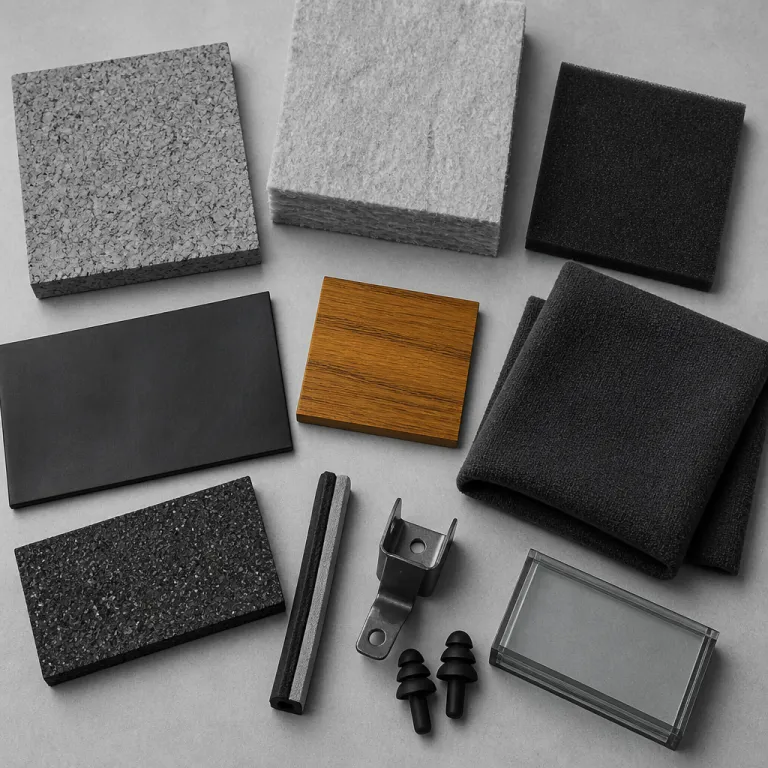
Design language has shifted from statement chandeliers to natural materials, from atrium bars to shaded courtyards where you can actually hear your own thoughts. Architects working in luxury hospitality talk about using stone, timber, and limewash not for rustic effect but because these natural materials absorb sound and soften light. The result is a quiet luxury aesthetic where every surface, from linen wall panels to deep wool rugs, is part of an acoustic strategy that lets guests feel held rather than displayed.
Reschio in Umbria is often cited as a benchmark because its quiet is engineered through scale, topography, and meticulous design rather than signage asking for silence. Similar thinking is shaping new luxury properties highlighted in recent coverage of summer hotel openings that actually delivered on their promise, where low-key architecture and high service standards replace theatrical lobbies. These hotels understand that the most valuable guest experience is not the lobby arrival shot but the moment, three days in, when a traveler realizes their nervous system has finally unclenched.
Stealth wealth travelers are not anti-technology; they are selective about technology luxury that serves privacy rather than performance. Discreet in-room systems that let a guest control light, temperature, and sound from bed are welcome, while public screens and constant notifications are not. The best luxury hotel teams now use technology to remove friction from service, then step back so that the hotel feels almost analog in its quiet.
For booking platforms curating luxury hotels and hotel resorts, this counter-trend demands a different editorial lens. Instead of leading with rooftop pools and DJ lineups, the focus shifts to room counts, spatial ratios, and how private a villa or suite really is at full occupancy. Travelers who once filtered by spa size now filter by how quiet a property remains when every guest is in house, and that is where the quiet luxury hotels silence privacy trend becomes a clear commercial advantage.
Who the hush economy serves and how it reshapes service
The guests driving the hush economy are not first-time luxury travelers chasing status. They are executives, creatives, and frequent flyers who already know traditional luxury and now want a hotel that feels like a private refuge between flights, meetings, and family life. For them, the quiet luxury hotels silence privacy trend is less about aesthetics and more about survival.
Business leisure travelers in the 35 to 55 bracket arrive with nervous systems frayed by constant connectivity, and they are explicit about wanting hotels that help them reset. Survey data shows that a majority of travelers now seek rest-focused destinations, which aligns with the rise of so-called quietcations and wellness-centered itineraries. Harper’s Bazaar India reported in March 2023 that 56 percent of travelers actively seek rest-focused destinations in its feature "The Rise of the Quietcation," confirming that demand for silence has moved from niche wellness to mainstream luxury travel behavior. When these guests book luxury travel, they are not asking for more entertainment; they are asking for fewer demands on their attention and more intelligent, unobtrusive service.
Service in this context becomes about editing, not adding. A high-touch guest experience might mean a butler who pre-emptively removes minibar clutter, dims the room, and leaves a single carafe of water and a book instead of a tray of branded amenities. At properties like Airelles Venice on Giudecca Island, profiled in depth in our review of how a French luxury brand translated its service codes to Italy, the most impressive gesture is often the staff’s ability to vanish at the right moment.
Privacy is the new ocean view, and private spaces are the new lobby. Executives extending a work trip increasingly choose a private villa within a larger luxury hotel, gaining full hotel service with the psychological safety of a home. When guests feel that their conversations, calls, and routines are shielded from view, they relax faster, sleep deeper, and rate the overall experience higher, which in turn justifies premium pricing for these villas and suites.
Wellness in this hush economy is not limited to spa menus; it is embedded in architecture, staffing, and programming. Soundproof meeting rooms, tech-free lounges, and digital detox options are no longer fringe wellness experiences but core components of luxury hospitality. As one expert answer in the hushpitality field notes, "Why are travelers seeking silence?" and responds, "To escape overstimulation and achieve mental well-being."
Designing for long term calm and the future of luxury hospitality
Silence is difficult to retrofit, which is why the quiet luxury hotels silence privacy trend favors properties built or reimagined with hush at the blueprint stage. Architects and owners now collaborate with acoustic consultants and wellness experts to ensure that every corridor, courtyard, and villa cluster protects quiet as carefully as it protects views. This is where luxury hospitality quietly diverges from mass-market travel, because the investment horizon is long term and the payback is measured in loyalty as much as in nightly rates.
In practice, that means low-density masterplans, layered landscaping, and the strategic use of natural materials that both age gracefully and absorb sound. A high-quality stone path that softens footfall, deep planting that buffers villas from one another, and thick plaster walls that keep conversations private all contribute to a calmer guest experience. In coastal luxury destinations such as Turks and Caicos, where wind and sea already provide a natural soundscape, the smartest luxury properties orient villas to maximize those quiet frequencies and minimize mechanical noise.
Technology luxury, when handled well, becomes almost invisible. Smart glass, silent climate systems, and app-based check-in can all support privacy and reduce friction, but they must never turn the hotel into a gadget showroom. The best hotels and hotel resorts now use data to understand when a guest prefers no turndown, no calls, and no offers, then train staff to respect those boundaries so that guests feel genuinely unobserved.
From an industry perspective, this hush economy intersects with sustainability and regulation in ways that will reshape which hotels get booked. Properties that build for low density, long-term durability, and reduced operational noise often also build for lower emissions and better reporting, as explored in our analysis of how Scope 3 carbon reporting will influence future booking decisions. When a luxury hotel can show that its quiet design, its restrained service model, and its material choices support both guest wellness and environmental responsibility, it earns a different kind of authority with discerning travelers.
The hush economy is not about asceticism; it is about editing out everything that does not serve rest, focus, or meaningful connection. For booking platforms dedicated to luxury travel, the opportunity lies in curating hotels where quiet luxury is not a marketing line but a measurable reality, from decibel levels to room counts. As one final expert explanation of hushpitality implementation states, "How do hotels implement 'hushpitality'?" and answers, "Through soundproofing, minimalist design, and digital detox programs."
Key figures behind the hush economy
- Harper’s Bazaar India reported in March 2023 that 56 percent of travelers now actively seek rest-focused destinations, underscoring how demand for quietcations has moved from niche wellness to mainstream luxury travel behavior (Harper’s Bazaar India, "The Rise of the Quietcation," 2023).
- Industry tracking of new openings by firms such as STR and HVS shows a marked rise in limited-key luxury properties with roughly 10 to 30 rooms, reflecting a strategic shift toward scarcity-based pricing and more intimate guest experience models.
- Wellness-focused travel has grown steadily over recent years according to data from the Global Wellness Institute, and hushpitality concepts that prioritize silence and privacy are capturing a growing share of this high-value segment.
- Consultants working with luxury hotels note that investments in soundproof architecture and natural materials can reduce in-room noise levels by several decibels, which significantly improves sleep quality and overall guest satisfaction scores.