Biophilic design in luxury hotels: how nature is redefining high-end hospitality
What biophilic design really means in luxury hospitality
Biophilic design in luxury hotels is far more than a few potted plants. It is a rigorous design philosophy, rooted in the work of pioneer Stephen Kellert and colleagues on biophilia, that integrates nature, natural elements and natural materials into architecture, interior design and operations to strengthen the human connection with nature. When a biophilic hotel is done well, guests feel calmer within minutes, sleep more deeply and remember the stay as a complete sensory experience rather than just a comfortable hotel room.
In practice, genuine biophilic design in hospitality means the architecture, interior and landscape are conceived together, not as separate disciplines. Designers, architects and sustainability consultants collaborate from the first sketch to align hotel design with local ecosystems, using passive strategies that maximise natural light, natural ventilation and views of nature-rich surroundings. This is why the most compelling hotels and resorts now feel as if they have grown out of their sites, with green roofs, living walls and water features acting as structural, not decorative, elements.
The objectives are clear and measurable for both hotels and guests. Research in the International Journal of Environmental Research and Public Health—for example, a 2019 study by Hunter et al. on short-term nature exposure and stress physiology, which reported around a 16 % reduction in cortisol levels after 20–30 minutes outdoors—helps explain why wellness-focused travellers increasingly seek biophilic hotels that prioritise natural elements over synthetic finishes. For luxury hospitality brands, this biophilic design approach supports higher guest satisfaction, longer stays and a stronger sense of place that marketing alone cannot buy.
From buzzword to building: how leading hotels embed nature
Some luxury hotels use the language of biophilic design without changing their architecture or operations. The properties that matter treat biophilic principles as a structural brief, not a styling layer, and they allow nature to dictate massing, orientation and interior design decisions. This is where the gap opens between marketing images of green walls and the lived experience of guests walking through a hotel lobby that genuinely breathes with natural light and air.
Consider the forthcoming Svart Hotel near the Svartisen glacier, designed as an energy-positive circular resort that sits at the water’s edge and frames the surrounding nature in every hotel room. Its architecture uses extensive glazing, deep overhangs and natural materials to balance solar gain, while the interior spaces are organised so that guests always move towards views of ice, water or mountain. Public information from the project team, including concept documentation released by Snøhetta and partners, describes a target of up to 85 % lower energy demand than a conventional hotel, achieved through passive design, on-site renewables and careful material selection. This is biophilic design in its purest form, where wellness, sustainability and luxury align rather than compete.
Brands such as Six Senses and COMO Shambhala have long treated nature-integrated design as their core identity, not a seasonal trend. Their hotels and resorts use local stone, reclaimed timber and green roofs to create eco friendly sanctuaries where tangible natural elements like water, fire and vegetation are central to the guest experience, echoing the minimalist philosophy explored in analyses of how less can mean everything in high end hospitality. As one Six Senses design director has noted in interviews, “we start every project by mapping wind, sun and views before we even sketch the first room.” When you evaluate design hotels at this level, you start to see which properties are truly biophilic hotels and which simply add plants to an unchanged hotel lobby.
Inside the room: materials, light and the quiet power of proportion
The most persuasive biophilic design moments often happen behind the door of a hotel room. Guests may not use the term design interior, but they immediately sense when natural materials, natural light and natural elements have been prioritised over glossy finishes and heavy drapery. A well considered biophilic hotel room will often feel slightly quieter, slightly cooler and far more restful than a conventional space of the same size.
Designers such as Tabitha Organ, known for nature-led interiors, work with tactile materials like linen, wool, stone and timber that age gracefully and carry subtle variations from nature. These materials, when combined with soft daylight, framed views and green accents, create interior spaces that support wellness by regulating circadian rhythms and reducing visual clutter. Organ has described this as “dialling down visual noise so guests can actually hear themselves think.” The result is a form of luxury that feels understated yet deeply indulgent, because it respects how the human body responds to its environment.
Lighting strategy is critical in this type of hotel design. Large windows, carefully oriented to capture morning or evening sun, allow natural light to structure the day, while layered artificial lighting steps in only when needed, preserving the connection to nature outside. In some biophilic hotels, daylight factors of 2–5 % are targeted in guest rooms to keep spaces bright without glare, and dim-to-warm LED systems are used at night to mimic sunset. When hotels use biophilic design to choreograph this balance, guests often report better sleep, slower mornings and a more grounded experience of place, even in dense urban settings.
Urban biophilia: from parkroyal collection to jewel changi
Urban luxury hotels face a different challenge, because nature is often several kilometres away. The most ambitious properties respond by pulling nature into the city fabric, creating vertical parks and interior landscapes that rival traditional gardens in their impact on guests. Singapore has become a reference point here, with projects that show how biophilic design, luxury hotels and nature can coexist in dense districts.
Parkroyal Collection Pickering is perhaps the clearest example of an urban biophilic hotel that treats green architecture as its defining gesture. The building’s cascading sky gardens, layered terraces and lush hotel lobby blur the boundary between interior and exterior, using natural materials and extensive planting to cool spaces passively and filter air. Design documentation for the project, including material from WOHA Architects, cites roughly 15,000 square metres of planted area wrapped around the tower, and guests move through elevated walkways that feel like suspended park trails, experiencing a resort like calm in the middle of the city’s financial core.
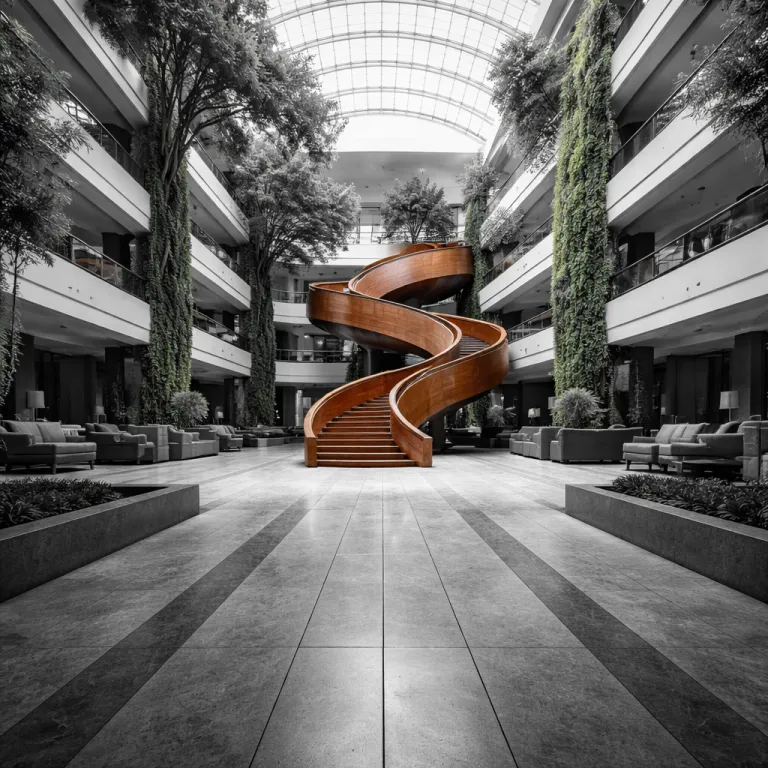
Nearby, the Parkroyal Collection Marina Bay reimagines its lobby as an indoor forest, with trees, water features and natural light pouring through a vast atrium roof. Across town, Jewel Changi at Changi Airport demonstrates how biophilic design can transform a transit hub into a destination, with its indoor forest, waterfall and carefully modulated natural light inspiring hotels to rethink their own public spaces. The complex integrates more than 2,000 trees and tens of thousands of shrubs across multiple levels, creating a microclimate that cools the air and softens acoustics. When you evaluate design hotels in such contexts, you see how architecture, interior design and hospitality operations can align to create nature centred experiences even when the nearest wild landscape is far away.
Wellness, revenue and why biophilic hotels command a premium
For owners and operators, biophilic design is not just an aesthetic preference. It is a commercial strategy that aligns guest wellness, sustainability metrics and long term asset value in a single architecture and interior design brief. Properties that invest in natural materials, eco friendly systems and generous green spaces often report higher guest satisfaction scores and stronger repeat visitation.
Studies linking nature exposure to stress reduction, such as the IJERPH research mentioned earlier, help explain why wellness oriented travelers are willing to pay more for hotels and resorts that feel genuinely connected to nature. When guests sleep better, breathe easier and feel more rested, they tend to extend stays, spend more time in on site restaurants and spas, and recommend the hotel to friends. Internal benchmarking from several luxury brands suggests that rooms with strong views of greenery or water can achieve measurable uplifts in average daily rate compared with similar rooms facing hardscape. This is where biophilic design, luxury positioning and revenue management intersect in a very practical way.
From an operational perspective, features such as natural ventilation, shading devices and green roofs can reduce energy consumption, supporting eco friendly credentials while lowering running costs over time. In some climate-responsive hotels, passive measures alone can cut cooling loads by 20–30 % compared with a standard glass box. Hotels that communicate this clearly, and that align their biophilic design narrative with authentic sustainability practices, build trust with a clientele that is increasingly sceptical of greenwashing. For couples planning a romantic escape, this means the most rewarding choice is often the property where the architecture, the interior and the landscape all tell the same nature informed story.
How to read between the leaves when you book
When you browse a collection of luxury hotels online, the images can blur into one another. To identify genuine biophilic design, start by looking for evidence that nature and natural elements shape the architecture, not just the styling of the hotel lobby or spa. Floor plans, orientation diagrams and references to passive design strategies are often more revealing than a single photograph of a green wall.
Pay attention to how a hotel describes its materials and systems. Specific mentions of local stone, reclaimed timber, natural fabrics, green roofs and eco friendly technologies suggest that natural materials are integral to the project, while vague language about being “in harmony with nature” without details should raise questions. Guest reviews that mention sleep quality, airiness, daylight and the calming effect of spaces are another strong indicator that biophilic principles are working in practice.
If you travel as a couple, consider how different hotels and resorts structure their public and private spaces. Some design hotels prioritise dramatic lobbies over quiet corners, while others create layered environments where you can move from a lively bar to a secluded terrace surrounded by planting and natural light. For more guidance on reading design intent and service culture together, resources that analyse how luxury hotels get family travel right can also sharpen your eye for properties where architecture, interior design and hospitality philosophy truly align.
Key figures on biophilic design and guest wellbeing
- Research published in the International Journal of Environmental Research and Public Health, including the 2019 Hunter et al. study on nature exposure and stress-related biomarkers, reports a 16 % reduction in cortisol from everyday contact with nature, supporting the link between biophilic design and measurable wellness benefits for hotel guests.
- Biophilic design has moved from niche concept to mainstream practice since the early 2000s, with luxury hotels adopting nature integrated architecture and interior design widely in the 2020s as wellness demand accelerates.
- Energy positive projects such as the approximately 100 room Svart Hotel near the Svartisen glacier illustrate how biophilic hotels can combine luxury experiences with dramatically reduced environmental impact, targeting energy use reductions of more than 80 % compared with typical properties, according to figures shared by the development team.
- Industry analyses of hospitality trends highlight natural light, acoustic comfort and healthy, low emission materials as core design priorities, reflecting a shift from purely visual luxury to multi sensory wellbeing.
FAQ about biophilic design in luxury hotels
What is biophilic design in a hotel context ?
Biophilic design in a hotel context means integrating natural elements, natural materials, natural light and references to local nature into architecture and interior design to strengthen the human connection with the environment. It goes beyond decoration, influencing building orientation, ventilation, views and spatial layout. The goal is to enhance guest wellbeing while supporting eco friendly and sustainable operations.
Why are luxury hotels adopting biophilic design ?
Luxury hotels are adopting biophilic design to enhance guest wellbeing, differentiate their experiences and respond to growing demand for sustainability. By embedding nature focused elements into hotel design, properties can reduce stress for guests, improve sleep quality and create memorable spaces that justify premium rates. This approach also aligns with broader hospitality trends towards wellness, healthy materials and reduced environmental impact.
How can I tell if a hotel uses genuine biophilic principles ?
Genuine biophilic hotels usually describe specific architectural and interior strategies, such as maximising natural light, using local natural materials, integrating indoor planting and designing views towards nature. Look for details about passive cooling, green roofs, water features and landscape design, rather than generic claims about being eco friendly. Guest reviews that mention calm atmospheres, fresh air and restorative sleep are another strong indicator.
What are examples of biophilic design features in hotels ?
Common biophilic design features in hotels include extensive use of wood and stone, large windows that frame nature, indoor trees or green walls, water features in lobbies and courtyards, and layouts that orient circulation towards views. Some properties, such as Parkroyal Collection Pickering or wellness focused resorts, also use sky gardens, rooftop farms and outdoor treatment rooms. These elements work together to create a continuous experience of nature throughout the stay.
Does biophilic design always mean a rural or remote location ?
Biophilic design does not require a rural or remote location, because many urban hotels now integrate nature through vertical gardens, indoor forests and carefully curated natural materials. Projects like Parkroyal Collection Marina Bay and Jewel Changi at Changi Airport show how dense city environments can host lush, nature rich spaces. The key is how architecture and interior design bring natural elements into daily guest experience, regardless of the surrounding skyline.
