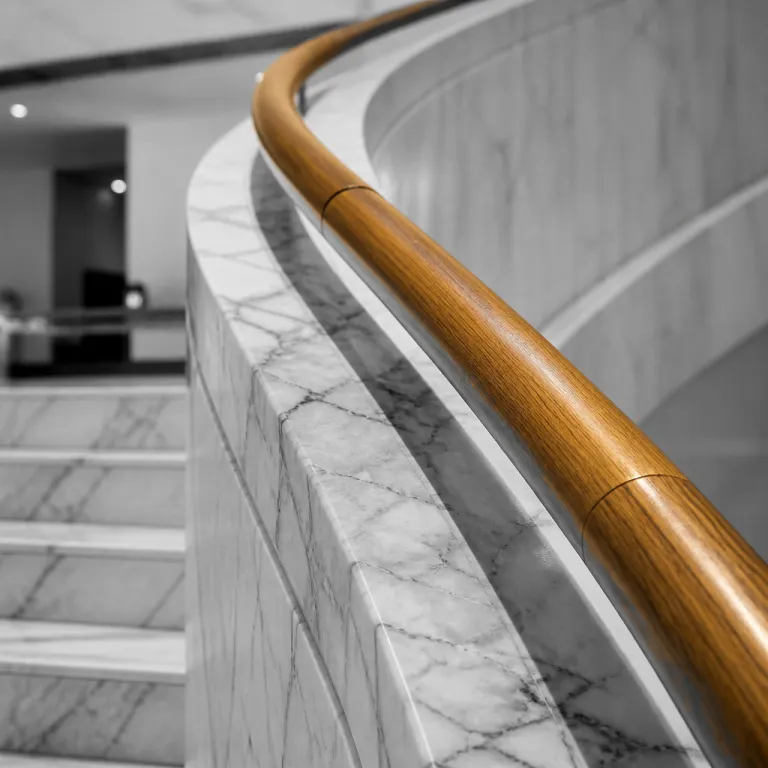
When architecture is the reason you book the hotel
Some properties are no longer just places to sleep; they are the destination. In a true architecture-led luxury hotel, the building itself becomes the reason you choose that city, that island, that stretch of desert. Design-conscious travelers now ask first how the architecture feels, then how many rooms the hotel offers.
Industry surveys from brands such as Preferred Hotels & Resorts indicate that a large majority of upscale guests feel they can recognise a hotel created for mass appeal, and that perception explains why the best properties now lead with architecture rather than generic lifestyle imagery. These travelers want a design hotel where the façade, the lobby volumes and even the staircases tell a story, not a resort that could be anywhere between Singapore and the Red Sea. When you book a stay today, you are often choosing between hotels that feel architect designed and hotels that feel algorithm designed.
Look at Marina Bay Sands in Singapore, where three sculptural towers and the SkyPark pool create a skyline icon that many guests visit before they ever see the city’s museums. Its 2,561 rooms, as reported by the operator, form a vertical resort that proves how architecture can turn a hotel into a global reference point. The same logic applies in Rome at Bvlgari Hotel Roma, where 114 rooms and suites are wrapped in a design language that fuses Roman stone, contemporary art and meticulous proportions.
These hotels are not just well designed; they are designed to be remembered. An architecture-forward luxury hotel uses materials, light and circulation to choreograph your movements from suite to spa to rooftop bar. One guest described returning to the same property and feeling that “the building knew our route by heart,” a reminder that the best architecture rewards you as much on the third night as it does in the first photograph.
Historic properties like Les Roches Rouges in Piana show how architecture can age gracefully when the original design is respected. Its rooms retain a vintage rhythm that feels authentic rather than themed, and the sea view frames Corsica as part of the hotel’s architecture. In the French Alps, Maya Hotel Courchevel 1850 blends Japanese Zen lines with Monaco glamour, proving that a mountain hotel can be both serene and sharply designed.
Across these examples, the common thread is intent rather than style. A design-led luxury hotel might be a city property, a coastal resort or a desert retreat, but in every case the architecture is the primary draw. For couples or friends planning a romantic escape, that means the first decision is not which island or which city, but which architect designed space will shape the memories of the trip.
How to read a hotel’s architecture before you book
Most travelers now meet a hotel through its website long before they meet the concierge. That first digital encounter is where you can already sense whether a property is a genuine architecture-focused luxury hotel or just a marketing exercise. The way rooms are photographed, the angles chosen for the pool and the lobby, even the night shots, all reveal what the hotel wants you to notice.
Start with façades and arrival spaces, because architect designed hotels are proud of them and show them clearly. If every image is a tight crop of cushions and cocktails, you may be looking at one of those boutique hotels that hides a generic shell behind styled vignettes. By contrast, when a hotel in Dubai or a resort on a Greek island leads with bold exterior views, you can usually trust that the architecture carries the narrative.
Then study the rooms, paying attention to proportions more than props. In a serious design hotel, the bed placement, window height and circulation between sleeping area and bathroom feel intuitive, even in photographs. When you see a suite hotel where the living area is flooded with natural light while the bedroom is tucked into a quieter corner, that is a sign of thoughtful design rather than a quick conversion.
Mixed use properties such as hotel residences and urban resorts often reveal their ambition in the way public and private spaces connect. KPM Hotel & Residences in Berlin, Germany, for example, uses clean lines and generous glazing to link its hotel residences with shared lounges and dining, creating a sense of community rather than a stack of anonymous rooms. When hotels commission architects with a strong point of view, you can usually see that coherence across every floor.
Look too at how a property frames its surroundings, because a design-conscious luxury hotel always respects its context. On an island in Greece or along the Red Sea in Saudi Arabia, the best hotels use terraces, loggias and shaded walkways to choreograph the view rather than simply dropping villas along the shore. A resort that shows sunrise and sunset sequences from different suites is quietly telling you that every room was designed around light.
Finally, cross check what you see online with trusted editorial reviews that focus on architecture. When a property such as Bvlgari Hotel Roma is praised for combining Roman grandeur and modern design, or when a Venetian palazzo reborn as a luxury hotel is analysed for its restoration choices in a detailed feature like this palazzo reborn in Cannaregio review, you gain a deeper sense of the design intent. That context helps you decide whether the architecture will genuinely enhance your stay or simply provide a photogenic backdrop.
Materials, light and landscape: when design serves the destination
Architecture becomes truly memorable when it feels inseparable from its setting. In an architecture-led luxury resort, the choice of stone, timber, glass and metal is as important as the floor plan. Travelers who care about design now ask whether a hotel feels rooted in its landscape or could be transplanted from Dubai to Helsinki, Finland without anyone noticing.
Across the best hotels in Greece, Crete and the wider Mediterranean, local stone and limewashed walls are not nostalgic gestures; they are high performance materials that regulate temperature and age beautifully. When a resort on a rocky island uses rough hewn stone for its villas and soft plaster for its interiors, the architecture reads as an extension of the cliffs rather than an imposition. That is the opposite of the imported marble aesthetic that still dominates some hotels in the United Arab Emirates, where the design sometimes speaks more about global luxury codes than local geology.
Light is the second structural material in any serious design hotel. Architect designed properties orient rooms and suites to capture specific moments of the day, whether that is the first glow over the desert or the last reflection on a city river. When you book a terrestrial retreat such as Hotel Terrestre in Mexico, you are really booking a choreography of light and shadow that changes every hour.
Landscape integration is where the current generation of architecture-driven luxury hotels is rewriting the rules. Biophilic design, which brings nature directly into the architecture, has moved from trend to baseline expectation in high end resorts. For a deeper dive into how this works in practice, look at this analysis of biophilic design in luxury hotels, which shows how living walls, courtyards and planted roofs can transform the guest experience.
In South Tyrol, alpine hotels use larch, stone and glass to blur the line between suite and slope, while in Helsinki, Finland, waterfront properties lean on pale woods and expansive glazing to echo Nordic light. Along the Red Sea in Saudi Arabia, new projects such as Shebara Resort and Desert Rock are being presented as regenerative landscapes, with villas and hotel residences carved into rock or floating above coral rich waters. These architect designed resorts show how materials can signal a commitment to ecology rather than excess.
When you evaluate hotel options for your next trip, pay attention to whether the pool, spa and shared terraces feel embedded in the terrain. A pool that follows the contours of a hillside, as at some of the best resorts in Crete, will always feel more calming than a rectangular basin dropped onto a platform. In a truly architecture-led luxury destination, every path, every stair and every view line has been designed to make the landscape the star.
From photogenic to livable: design that works over a three night stay
Social media has trained travelers to judge hotels by a single frame. Yet the guests who return to the same architecture-led luxury destination year after year talk less about the lobby shot and more about how the rooms feel on the third night. The difference between photogenic and livable design is where true luxury now resides.
Ask yourself how you will actually move through the space, because circulation is the quiet test of any design hotel. Are the wardrobes placed where you naturally undress, or are they an afterthought across the room from the bathroom? In a well designed suite hotel, you should be able to navigate from bed to terrace to pool without ever feeling you are on display to the corridor.
Travelers often mention their favourite details only after a stay, not after a scroll. It might be the way a resort in Dubai uses deep balconies to create private outdoor rooms with a framed view of the skyline. Or it might be the way a coastal hotel in Greece positions its villas so that no terrace overlooks another, turning the entire property into a sequence of intimate stages.
Properties such as Piaule Catskill in New York’s Catskills show how architect designed cabins can feel both minimal and deeply comfortable. Each room is oriented toward the forest, with floor to ceiling glass that turns the landscape into living art while still allowing for privacy at night. This is the kind of architecture-forward retreat where you feel the thoughtfulness every time you draw a curtain.
Wellness focused hotels are also rethinking layouts to support how guests think and rest, not just how they look in photographs. Cognitive friendly design, from acoustic zoning to lighting that respects circadian rhythms, is becoming a new benchmark for travelers who work hard and sleep lightly; for a detailed exploration of this shift, see this feature on cognitive wellness in luxury hotels. When you book a design forward resort, ask whether the architecture has been tuned to mental as well as visual comfort.
Finally, remember that the best hotels design their service around the architecture, not against it. At Bvlgari Hotel Roma, for example, the alignment of corridors, lifts and lounges supports a service choreography where staff appear exactly when needed without hovering. In any serious architecture-led luxury hotel, the building becomes an ally to hospitality, ensuring that beauty never gets in the way of ease.
Global case studies: when a hotel becomes the destination
Some properties illustrate so clearly what an architecture-led luxury hotel can be that they change how we judge every other hotel. Marina Bay Sands is one of them, its three towers and rooftop pool forming a piece of urban sculpture that has redefined Singapore’s skyline. Guests book this hotel as much for the experience of swimming above the city at night as for the rooms themselves.
In Rome, Bvlgari Hotel Roma offers a different lesson in architectural ambition. Here, the design is less about spectacle and more about proportion, with 114 rooms and suites arranged around courtyards, galleries and a spa that feel carved from Roman stone. The hotel’s art program, which threads contemporary works through classical references, turns every corridor into a curated walk.
Les Roches Rouges in Corsica shows how a historic hotel can become an architecture-focused destination through sensitive restoration. Its sea facing rooms retain original bones while updated materials and colours respect the building’s soul. Guests choose it not only for the view of the Mediterranean, but for the way the architecture frames that view with quiet confidence.
In the Alps, Maya Hotel Courchevel 1850 blends Japanese minimalism with the gloss of Monaco, creating a mountain resort that feels both meditative and glamorous. The architecture uses timber, glass and stone to draw the eye toward the slopes, while the pool and spa are tucked into more introspective spaces. This is a suite hotel where the design supports both après ski energy and late night calm.
Further afield, experimental properties such as Hotel Terrestre in Mexico push the idea of architect designed hospitality even further. Built largely from local brick and concrete, with open air rooms that track the sun, it functions as a living laboratory for sustainable design. Guests book it as a destination in itself, accepting a little less conventional comfort in exchange for a powerful connection to place.
Across these examples, one pattern is clear. Whether you are considering a city hotel in Berlin, Germany like KPM Hotel, a coastal retreat in South Tyrol or a future facing resort along the Red Sea in Saudi Arabia, the properties that stand out are those where architecture is not a backdrop but the main event. For couples planning a special trip, choosing this kind of architecture-led luxury destination means the building itself becomes part of the love story.
New frontiers: desert, sea and northern light as architectural canvas
The next wave of architecture-led luxury hotel projects is unfolding in some of the world’s most fragile landscapes. Along the Red Sea coast of Saudi Arabia, for example, architects are being asked to create resorts that feel both visionary and regenerative. Properties such as Shebara Resort and Desert Rock are early signals of how ambitious this new chapter could be, though details and timelines may still evolve.
Shebara Resort is conceived as a series of villas and overwater structures that float above coral rich waters, with architecture that aims to minimise physical impact while maximising the view. Desert Rock, by contrast, is carved directly into the mountainside, turning the geology itself into rooms, suites and shared spaces. Both projects are presented as examples of how an architecture-led luxury destination can be both spectacular and environmentally sensitive.
In northern Europe, Helsinki, Finland offers a different kind of canvas for architect designed hotels. Here, the drama comes from low angled light, long winter nights and a culture that values quiet understatement. The best hotels in the city use pale woods, generous glazing and carefully calibrated artificial lighting to create interiors that feel warm without ever slipping into cliché.
Urban hubs such as Dubai and other cities in the United Arab Emirates continue to push vertical resort models, where pools, restaurants and even small villas are stacked into towers. The challenge for architects is to ensure that these hotels feel like coherent architecture-led experiences rather than collections of amenities. When done well, as in some of the newest hotel residences projects, guests can move from sky high pool to intimate suite without losing a sense of place.
For couples choosing where to book their next escape, these emerging destinations open up new possibilities. You might spend one night in a design hotel in Berlin, Germany, then fly to an island resort in Greece where the architecture hugs the coastline. Or you might plan an itinerary that links a desert retreat such as Desert Rock with a coastal property on the Red Sea, experiencing how different landscapes shape different forms of luxury.
What unites all these projects is a belief that architecture itself can be the most powerful amenity a hotel offers. In a world where many hotels book the same furniture and follow the same mood board, a truly architecture-led luxury destination stands apart by making every wall, window and walkway count. For travelers who care about both aesthetics and ethics, that is where the future of luxury now lies.
Key figures shaping design driven luxury hotel architecture
- Preferred Hotels & Resorts and similar groups report that a significant majority of luxury travelers say they can spot a hotel designed for mass appeal, a perception that is pushing high end properties to invest more heavily in distinctive architecture and design.
- Marina Bay Sands in Singapore offers 2,561 rooms, according to the hotel’s published data, demonstrating how a large scale hotel can still function as an architecture-led luxury destination when the overall form and rooftop pool become global icons.
- Bvlgari Hotel Roma operates with 114 rooms and suites, as stated in brand materials, showing how a relatively intimate room count can support a highly curated architectural and art experience in a dense urban context.
- Industry analyses such as the Hotel Year Book highlight key design trends including mixed use integration, regenerative landscapes and a human technology balance, all of which are reshaping how new hotels are planned and built.
- Across leading projects, the use of sustainable materials such as bamboo, reclaimed wood, local stone and recycled metals is increasing, reflecting both regulatory pressure and guest demand for environmentally responsible luxury.
FAQ: architecture led luxury hotels for design conscious travelers
What defines a design driven luxury hotel where architecture leads the experience?
What defines a design-driven luxury hotel? Hotels where architecture and design are primary attractions. In practice, that means the building’s form, materials and spatial sequences are as carefully considered as the service and amenities. Guests choose these properties specifically because the architecture offers a distinctive, memorable experience.
Why should I choose a hotel primarily for its architecture?
Why choose a hotel for its architecture? Unique designs offer memorable experiences. When the building is conceived as a destination in itself, every movement from room to pool to restaurant feels curated. For couples, that can turn a simple weekend away into a stay that shapes how they remember a city or landscape.
Are architect designed luxury hotels always more expensive than conventional options?
Are design hotels more expensive? Often, due to unique features and amenities. Commissioning renowned architects, using high quality materials and integrating complex structures usually increases development costs, which can translate into higher nightly rates. However, shoulder season dates and advance purchase offers sometimes make these properties more accessible than expected.
Do architecturally ambitious hotels still offer standard comforts and services?
Do design hotels offer standard amenities? Yes, along with unique design elements. The best architecture-led luxury hotels pair strong aesthetics with reliable comforts such as excellent bedding, efficient climate control and intuitive technology. When evaluating options, look for reviews that mention both visual impact and day to day usability.
How can I find and evaluate architecture focused luxury hotels before booking?
How to find design-focused hotels? Research online or consult design travel guides. Start with curated platforms that specialise in architect designed properties, then cross check with detailed editorial reviews and guest feedback. When you are ready to book, study floor plans, daylight exposure and material choices as closely as you would study location and price.