What a luxury hotel turndown ritual really says about the property
The most revealing moment in any luxury hotel often happens at night. When the turndown ritual reshapes your hotel room for sleep, you see the property’s true priorities and its quiet philosophy of service. A refined evening routine turns a functional bed into a sanctuary and transforms a simple night sleep into a curated sleep wellness ritual that guests remember long after check-out.
At the best high hotels, the evening équipe does far more than fold a duvet. They dim the lights to a warm tone, close blackout curtains, adjust the room temperature and prepare the mattress so that guests feel an immediate sense of calm when they step back into the hotel room. This is where “dimming lights, turning down bed linens, providing sleep amenities” stops being a checklist and becomes a signature gesture that defines the hotel turndown identity and the overall sleep experience.
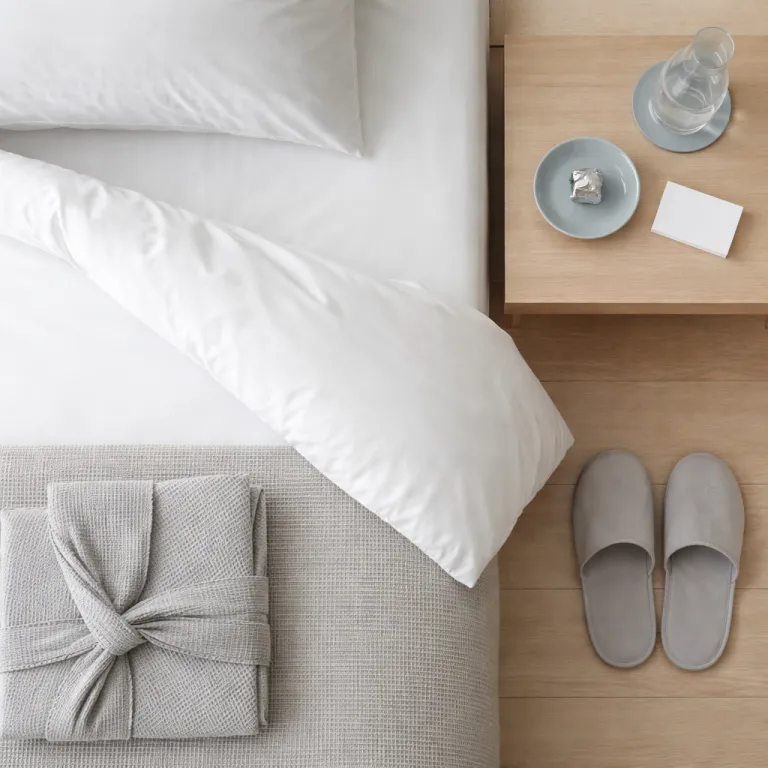
Luxury hotels that take sleep wellness seriously treat the turndown service as a nightly promise. A thoughtful room will feature a supportive mattress, a curated pillow menu and perhaps an eye mask placed beside a glass carafe of water. The most attentive hotels anticipate the next day as well, laying out a spa brochure, a gentle wake-up note and sometimes a small card explaining how their sleep experience program supports better sleep quality, often referencing guidance from sleep medicine associations or hospitality research.
From chocolate on the pillow to fully curated sleep wellness
Once, a chocolate on the bed counted as generous service at many hotels. Today, couples booking a luxury hotel expect a deeper turndown service that blends comfort, wellness and a sense of narrative across their stay. The properties that stand out understand that the way you move from day to night in your hotel rooms shapes how you remember the entire resort or city escape, from the first evening to the final morning.
At The Peninsula New York in New York City, for example, the evening turndown might include herbal tea tailored to your preferences, a handwritten note and a discreet card with stretching suggestions for better sleep quality. Another high hotels address such as Four Seasons Resort Bali at Sayan might place a small aromatherapy roll-on beside the bed, while a spa-focused resort like Six Senses Douro Valley will leave bath salts ready for a late bath that eases you into a good night of restorative rest. If you want to understand what actually separates a memorable hotel from a merely expensive one, the level of detail in the hotel turndown is often more revealing than the lobby design or the restaurant buzz.
For couples planning a romantic trip, these touches become part of the shared experience rather than background noise. A hotel room that has been carefully prepared for night sleep feels like a private cocoon, especially when the pillow menu reflects your conversation with the concierge earlier that day. Over several nights, this consistent attention to sleep wellness quietly builds trust and makes guests far more likely to return to the same hotels for future anniversaries or a special Mother’s Day weekend.
Personalized turndown service as the most intimate form of hospitality
Turndown happens when you are out of the room, which makes it uniquely intimate. The équipe enters your private space, reads the clues you have left behind and reshapes the hotel room so that your night sleep feels effortless. In the best luxury hotel settings, this ritual becomes a nightly conversation between guests and staff, expressed entirely through objects, light and silence rather than spoken words.
Some luxury hotels now brief their teams to observe how you actually live in the room during the day. If your book is always left open on the spa brochure, the next night the turndown service might place a bookmark there and leave a herbal sleep tea on the bedside table. When a resort notices that you return from the bath with a chilled expression, the following evening they may warm the bathroom floor lights and place plush towels closer to the tub to enhance the overall sleep experience and support deeper relaxation.
On a recent stay at Park Hyatt New York, a milestone hotel with a strong wellness program and beds featuring custom mattresses, the team noticed a guest’s running shoes drying near the window. The next night, the hotel turndown included a printed sunrise running route and a small cooling gel placed beside the bed, echoing the way brands such as The Ritz Carlton or other sleep-focused hotels use small gestures to reinforce their commitment to recovery. This kind of personalization, supported by a clear strategy and not just improvisation, is exactly what our readers expect when they book through a platform dedicated to exclusive benefits and genuinely tailored service.
Sleep science in practice: how hotels engineer a better night
Sleep has become the new status symbol in luxury travel, and the smartest hotels treat it like a design discipline. A serious turndown service now draws on sleep science, from blue light management to acoustic engineering and temperature control. For couples who work hard and travel often, this is not a trend; it is a non-negotiable baseline for choosing one hotel over another when evaluating rooms and resort options.
Many high hotels are investing in advanced mattress technology, pairing supportive cores with plush toppers that relieve pressure points without trapping heat. Some resort brands integrate circadian-friendly lighting that gradually shifts from bright white during the day to warmer tones at night, helping guests reduce blue light exposure before bed. Others provide a noise machine or built-in white noise options in the hotel rooms, allowing light sleepers to mask corridor sounds and protect their sleep quality in a way that feels quietly luxurious.
Wellness-focused properties go further by aligning the spa and bath experience with the bedroom environment. You might soak in a magnesium-rich bath before returning to a room where the turndown service has already lowered the temperature, placed an eye mask on your pillow and set a gentle alarm option that avoids harsh blue light. When this ecosystem works, the entire sleep experience feels orchestrated, and guests wake with the rare feeling that a hotel has genuinely improved their long-term sleep wellness rather than just offering another plush bed or a generic promise of a good night.
Which sleep focused innovations actually work for travelers
Not every sleep gadget belongs in a hotel room, and seasoned travelers quickly sense the difference between marketing and meaningful comfort. A thoughtful turndown service should prioritise a great mattress, high-quality linens and a calm acoustic envelope before adding layers of technology. Once those foundations are right, a few carefully chosen tools can elevate the night from simply restful to memorably restorative for both solo travelers and couples.
A well-curated pillow menu remains one of the most effective and low-tech options, especially for couples with different preferences for firmness or support. When combined with an eye mask that actually blocks blue light and a discreet noise machine offering adjustable white noise, the result is a flexible environment that adapts to how guests like to sleep. Properties that align these elements with their spa programs, such as offering a pre-sleep massage followed by a tailored turndown service, create a coherent narrative rather than a scatter of unrelated amenities that clutter the room.
Some hotels experiment with app-controlled lighting or complex in-room tablets, but these can backfire if they add stress at the end of the day. The best high hotels keep interfaces intuitive, allowing you to dim lights, adjust temperature and set white noise with one or two simple gestures before bed. When you are evaluating options on a curated platform of refined stays, look for hotels that talk clearly about sleep wellness rather than just listing gadgets, because that language usually signals a deeper, more thoughtful sleep experience and a room designed around real human rest.
How to read a hotel’s soul through its turndown ritual
For couples choosing where to stay, the turndown ritual is a powerful filter. A property that treats the nightly sleep experience as a ceremony usually excels in other quiet details, from breakfast pacing to spa scheduling. By contrast, a hotel that reduces turndown service to a perfunctory bed fold often reveals a broader gap between its marketing and its lived reality, no matter how photogenic the lobby may be.
Before you book, ask specific questions about what happens in the room at night. You might inquire whether the hotel rooms include a pillow menu, whether a noise machine or white noise option is available and how the équipe manages blue light from screens or external signage. If the reservation team can describe the turndown service in concrete terms, including how they support sleep wellness for sensitive sleepers, that clarity usually reflects strong internal training and a genuine culture of care that extends across the entire stay.
Once on property, pay attention to how the ritual evolves across your stay, especially if you are celebrating a personal event such as a Mother’s Day escape or a private milestone hotel anniversary. Do the staff adjust the timing to your dinner reservations, leave spa suggestions that match your interests or prepare the bath with salts on a cooler night? When the answers are yes, you are not just getting a good night of rest; you are experiencing a hotel that understands loyalty is built in the quiet minutes between turning the key and turning off the light.
Key figures shaping modern turndown and sleep focused hospitality
- Industry surveys of upscale hotels, such as the American Hotel & Lodging Association’s 2023 Lodging Survey, consistently show that turndown service has become a standard expectation in the high-end segment, even if the exact percentage varies by region and brand.
- Independent rating systems, including those used by global travel guides and organizations like Forbes Travel Guide, now evaluate turndown rituals as part of broader service standards, which means a property’s approach to the night ritual directly influences its perceived authority.
- Hospitality research from institutions such as EHL (École hôtelière de Lausanne) has highlighted wellness-focused turndown rituals and sustainable sleep amenities as emerging differentiators, especially for couples who prioritise recovery during short city breaks and resort stays.
- Analyses of the sleep wellness market in hospitality, including reports from STR and JLL, indicate steady investment in circadian lighting, soundproofing and mattress innovation, reflecting a shift from decorative luxury toward performance-oriented comfort that measurably improves sleep quality.
FAQ about luxury turndown rituals and the sleep experience
What is included in a luxury hotel turndown service?
A luxury hotel turndown service typically includes dimming lights, turning down bed linens and providing sleep amenities. In practice, many luxury hotels also close curtains, adjust room temperature and place small comforts such as water, slippers and sometimes a pillow menu card by the bed. Some properties extend the ritual with aromatherapy, herbal teas or spa-related items that support a more restorative night sleep and help guests feel genuinely cared for.
How do turndown services enhance the overall sleep experience?
Turndown services enhance the sleep experience by creating a relaxing environment conducive to restful sleep. When the équipe prepares the hotel room with softer lighting, a well-made mattress, reduced noise and thoughtful amenities like an eye mask or white noise options, guests can transition from day to night with less effort. This calm, predictable ritual improves perceived sleep quality and often becomes a highlight of the stay, especially in a busy city or resort setting.
Which questions should I ask before booking a sleep focused hotel?
Travelers should ask whether the hotel offers a structured turndown service, a choice of pillows and any specific sleep wellness features such as blackout curtains or noise control. It is also useful to inquire about mattress type, availability of an eye mask or noise machine and how the property manages blue light from in-room technology. Clear, confident answers usually indicate that the hotel takes the sleep experience seriously and has trained staff to deliver it consistently across all rooms.
Are famous brands like The Ritz Carlton always the best for sleep?
Global names such as The Ritz Carlton often set strong benchmarks for bed comfort, linens and consistent turndown rituals across their hotels. However, some smaller luxury properties and destination resort brands now invest even more heavily in tailored sleep programs, from spa-linked rituals to personalised pillow menus. The best approach is to compare how each hotel describes its sleep experience in detail rather than relying solely on the brand name or assuming that one label guarantees the best possible night sleep.
Can a wellness oriented turndown really improve my long term sleep?
A single stay will not reset long-term sleep patterns, but a well-designed turndown service can show what truly restorative rest feels like. By combining a supportive mattress, reduced blue light, white noise options and calming bath or spa rituals, hotels give guests a template they can adapt at home. Many travelers leave with practical ideas about lighting, temperature and pre-sleep routines that continue to support better sleep quality long after check-out, turning one good night into a more sustainable sleep wellness practice.