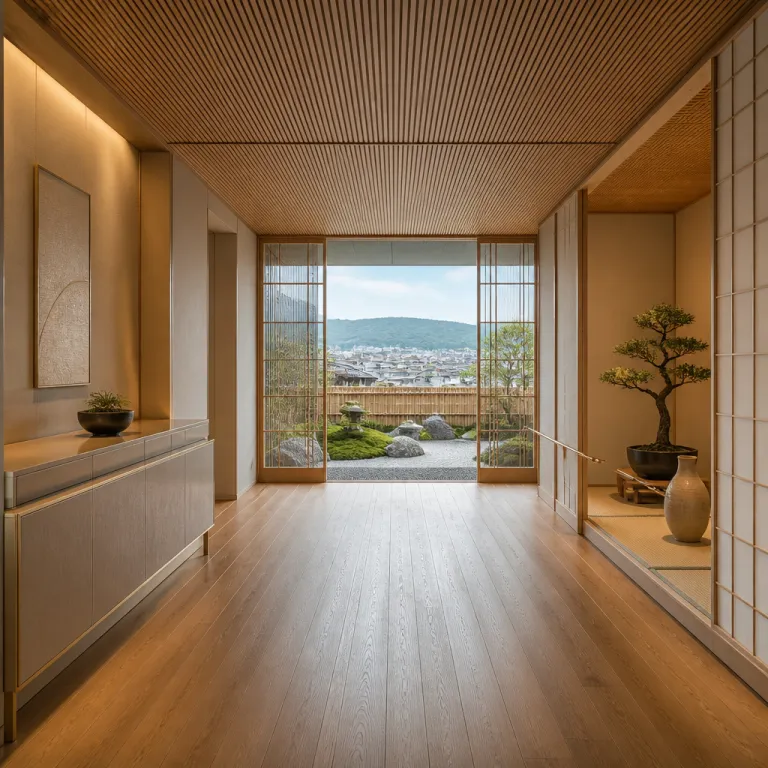
Why luxury hotels in Kyoto Japan redefine the urban retreat
Kyoto is a city where an upscale stay feels naturally connected to heritage. In this former imperial capital of Japan, high-end hotels blend discreet service with proximity to temples, gardens, and the Kyoto Imperial Palace, creating an urban retreat that feels almost residential. For travelers who want to book a refined hotel Kyoto experience, the city offers a rare balance between serenity, walkable neighborhoods, and deep cultural immersion.
Among the most acclaimed luxury hotels Kyoto Japan offers, Aman Kyoto stands out for its hidden forest garden setting of roughly 80 acres (about 32 hectares), while Hotel The Mitsui Kyoto, a Luxury Collection Hotel and Spa, sits directly beside Nijo Castle with a strong sense of place. On the Kamo River, The Ritz Carlton Kyoto delivers a contemporary luxury hotel atmosphere with river views and easy access to the central city, making it ideal for guests who want both calm and convenience. Together, these properties form a compact yet diverse collection of addresses that cater to different travel styles while maintaining consistently high standards of design and service.
Recent compilations of hotel listings suggest that around a dozen top tier luxury hotels currently operate in Kyoto, a relatively small number compared with other major cities in Japan. This limited supply means that anyone planning to stay in Kyoto during peak seasons should book well in advance to secure preferred bedroom categories and the best view options. For travelers seeking urban retreats rather than resort style hotels, Kyoto’s scale, walkability, and strong rail connections from Kyoto Station make it especially appealing.
Choosing the right area in Kyoto for your luxury stay
Location shapes every luxury stay in Kyoto, because each area offers a distinct rhythm. Around Kyoto Station, large hotels Kyoto properties appeal to travelers who value seamless rail access, quick airport transfers, and easy day trips across Japan. In contrast, a luxury hotel in the central city near the Kyoto Imperial Palace or Nijo Castle places you within walking distance of historic streets, refined restaurants, and major cultural sites.
The riverside corridor where The Ritz Carlton Kyoto and several other luxury hotels sit offers a calm urban retreat with a soft city view and quick access to Gion and Pontocho. Guests who choose this central area can walk to Yasaka Shrine, explore the lanes of Higashiyama, and return to a quiet bedroom with polished service and modern comforts. This balance between cultural immersion and urban convenience makes the Kamo River zone one of the most desirable places for a first luxury stay in Kyoto, especially for visitors who prefer to explore primarily on foot.
Travelers who prefer a more residential feel often look toward Higashiyama or Arashiyama, where some hotels and traditional ryokan properties sit closer to temples and wooded hills. In Higashiyama, a collection hotel or intimate luxury hotel places you near Kiyomizu dera and atmospheric streets that feel peaceful in the early morning. For guests comparing refined urban retreats in Kyoto with other European city stays, curated guides to luxury hotels in Florence Italy can provide useful benchmarks for service style, neighborhood character, and how historic architecture is integrated into modern hospitality.
From Kyoto Station to Arashiyama: how to plan seamless luxury travel
Arriving at Kyoto Station sets the tone for a well organized luxury stay, because the station is the main rail gateway for shinkansen and regional trains across Japan. Many luxury hotels Kyoto Japan provide clear access instructions from Kyoto Station, and some arrange private transfers to ensure a smooth arrival after a long flight. When you book a hotel, confirm whether the property offers meet and greet services, luggage assistance, or guidance for navigating the station complex, which can feel overwhelming on a first visit.
For guests staying near Kyoto Station, the advantage lies in effortless travel logistics, especially for short stays or multi city itineraries. You can check into a central hotel Kyoto property, freshen up in a spacious bedroom, then board a local train to Arashiyama for an afternoon among bamboo groves and riverside paths; the ride typically takes around 20 to 30 minutes depending on the line. This combination of efficient transport and restorative nature makes Kyoto particularly attractive for travelers who value time as much as luxury.
Those who choose a luxury hotel closer to Arashiyama or the northern hills often prioritize proximity to gardens, temples, and quieter residential streets. Transfers from Kyoto Station may take longer, yet the reward is a more secluded Kyoto stay experience that still connects easily back to the city when needed. Travelers who appreciate refined mountain or hillside retreats may also enjoy reading about elegant urban retreats and luxury hotels in Colorado Springs for a sense of how different destinations interpret the same idea of calm within reach of a city.
Traditional elegance and contemporary comfort: ryokan and luxury hotels
Kyoto remains one of the best cities in Japan to experience a traditional ryokan alongside modern luxury hotels. A ryokan stay usually features tatami rooms instead of a conventional bedroom layout, multi course kaiseki dinners, and often a garden view that changes subtly with each season. For many travelers, combining one night in a ryokan with several nights in a luxury hotel Kyoto property creates a balanced itinerary that alternates immersive tradition with contemporary comfort.
In the luxury segment, Tawaraya Ryokan is frequently cited as an exemplary traditional stay, while Aman Kyoto and Hotel The Mitsui Kyoto represent the integration of ryokan inspired design into contemporary hotels. Their use of natural materials, framed garden views, and calm public spaces reflects the same attention to senses Kyoto travelers often seek, from the sound of water to the scent of cedar. This approach allows guests to enjoy the privacy and amenities of a luxury hotel while still feeling connected to Kyoto’s cultural roots and seasonal rhythms.
When you book, consider how you want to divide time between immersive tradition and urban convenience. A ryokan in Higashiyama or near Yasaka Shrine might suit guests who prioritize temple visits and evening walks through historic streets. A central collection hotel or member of a global luxury collection, by contrast, may better serve travelers who need business facilities, varied dining, and quick access to Kyoto Station for onward travel across the Kansai region.
Signature luxury addresses: from Hotel The Mitsui Kyoto to The Ritz Carlton Kyoto
Several flagship luxury hotels in Kyoto Japan have become destinations in their own right, each offering a distinct interpretation of the urban retreat. Hotel The Mitsui Kyoto, part of Marriott’s Luxury Collection, sits directly beside Nijo Castle and uses a restored gate and landscaped garden to frame its identity. Guests here enjoy a strong sense of place, with many rooms offering a view toward the castle or carefully composed inner courtyards that change character with the seasons.
On the Kamo River, The Ritz Carlton Kyoto combines contemporary design with subtle references to traditional crafts, creating a luxury hotel that feels both international and deeply rooted in Kyoto. Its location allows easy access to the central city, Higashiyama, and Yasaka Shrine, making it ideal for travelers who want to walk rather than rely on taxis. For many guests, the riverside path outside the hotel becomes a daily ritual, connecting morning runs, evening strolls, and quiet moments of reflection beside the water.
Other notable names include Aman Kyoto with its expansive forest garden, and international brands such as Park Hyatt or Hyatt Kyoto when they appear in curated discussions of hotels resorts in the region. While not every global brand operates a property in Kyoto, travelers often compare these addresses with urban retreats in other destinations, such as refined stays at luxury hotels in Santa Fe New Mexico. Across this small but distinguished collection, the emphasis consistently falls on service, design, and a calm atmosphere rather than ostentatious displays of luxury.
Design, views, and senses: what to look for when you book
Choosing among luxury hotels Kyoto Japan involves more than comparing room sizes and rates, because design and atmosphere shape how you experience the city. Many travelers prioritize a garden or city view, whether that means a bedroom overlooking the Kamo River, a courtyard framed by maple trees, or a skyline glimpse of temple roofs. When you book, study floor plans and room descriptions carefully, as the difference between categories can be subtle yet meaningful, especially when it comes to balcony access or orientation toward key landmarks.
Attention to senses Kyoto is a defining feature of the best properties, from the texture of tatami or timber floors to the way light enters a room at sunrise. Some hotels emphasize wellness with onsen style baths, spa programs, and quiet relaxation spaces that feel like private retreats within the city. Others focus on gastronomy, offering kaiseki inspired menus, refined bars, and breakfast experiences that highlight seasonal produce from across Japan, such as spring bamboo shoots or autumn mushrooms.
Travelers who value design often seek out a collection hotel or member of a luxury collection, because these properties usually express a strong local narrative through materials and artwork. Whether you stay in Kyoto near Nijo Castle, the Kyoto Imperial Palace, or Kyoto Station, pay attention to how each hotel frames everyday rituals such as tea, bathing, and rest. These details transform a simple overnight stay into a coherent urban retreat that lingers in memory long after the journey ends.
Key figures and planning insights for luxury stays in Kyoto
- Recent compilations of data indicate that Kyoto currently offers around a dozen top tier luxury hotels, a relatively modest number compared with Tokyo or Osaka, which increases the importance of booking early during peak cherry blossom and autumn foliage seasons (based on publicly available hotel directories and brand portfolios).
- Aman Kyoto is highly rated for its serene setting, with approximately 80 acres (about 32 hectares) of forested grounds, making it one of the most sought after luxury hotels in the city for guests who prioritize privacy and immersion in nature within easy reach of urban attractions.
- Hotel The Mitsui Kyoto is adjacent to Nijo Castle, giving guests rare direct access to one of Kyoto’s most important historical sites and reinforcing the hotel’s reputation as a property with exceptional location value and strong heritage connections.
- Many of Kyoto’s leading luxury hotels sit within a radius of roughly 3 to 5 km from Kyoto Station, which keeps transfer times short—often around 10 to 20 minutes by taxi in normal traffic—and supports efficient day trip planning across the Kansai region.
FAQ about luxury hotels in Kyoto Japan
What is the best luxury hotel in Kyoto for a serene retreat ?
According to expert assessments, Aman Kyoto is highly rated for its serene setting, thanks to its expansive forest garden and low density layout. Guests who value privacy, nature, and a strong sense of calm often place this property at the top of their list. Its location slightly away from the busiest streets helps it function as a true urban retreat with easy access back into the city when desired.
Are there traditional ryokans in Kyoto that match luxury hotel standards ?
Yes, Kyoto hosts several high end ryokan properties that deliver service and comfort on par with leading luxury hotels. Tawaraya Ryokan is often cited as an outstanding example, offering refined kaiseki cuisine, attentive yet discreet service, and rooms that open onto carefully composed gardens. For many travelers, combining a night at such a ryokan with a stay in a central luxury hotel Kyoto property creates a well rounded itinerary.
Which luxury hotel is closest to Nijo Castle for easy sightseeing ?
Hotel The Mitsui Kyoto is adjacent to Nijo Castle, making it the most convenient luxury option for guests who want to explore this UNESCO listed site on foot. The hotel’s design incorporates views and references to the castle, reinforcing the connection between the property and its historic surroundings. This proximity allows travelers to visit early in the morning or later in the day, avoiding the busiest hours.
Is it better to stay near Kyoto Station or in the central city ?
Staying near Kyoto Station suits travelers with tight schedules, frequent rail journeys, or heavy luggage, because transfers become very efficient. A central city location near the Kamo River, Nijo Castle, or the Kyoto Imperial Palace, however, offers easier access to restaurants, shops, and evening walks. Many visitors choose a central luxury hotel for most of their stay in Kyoto, then rely on short taxi rides or local trains for day trips.
How far in advance should I book a luxury hotel in Kyoto ?
For peak cherry blossom and autumn foliage periods, booking a luxury hotel in Kyoto several months in advance is strongly recommended. With only around a dozen leading luxury hotels in the city, availability in preferred bedroom categories can tighten quickly. Outside peak seasons, you may find more flexibility, yet early booking still helps secure the best views and rate options.