Why luxury hotels in Kyoto define the modern urban retreat
Kyoto is the rare city where ancient temples meet discreet luxury. In this former imperial capital of Japan, the luxury hotels Kyoto visitors favour often sit beside lantern-lit lanes and quiet shrines, creating a calm urban retreat. For travellers planning a stay across Kyoto, the contrast between bustling Kyoto Station and serene riverside districts shapes every hotel decision.
Across the city there is a compact but growing collection of high-end hotels and resorts, a relatively small number compared with Tokyo or Osaka that keeps the luxury scene intimate and highly curated. This scale means the best properties can focus on service, tailoring every room and suite to individual preferences, from pillow menus and in-room tea sets to private garden access. When you check availability on a premium booking site, use each filter carefully, because the difference between central-city convenience and temple-side seclusion can be just a few hundred metres.
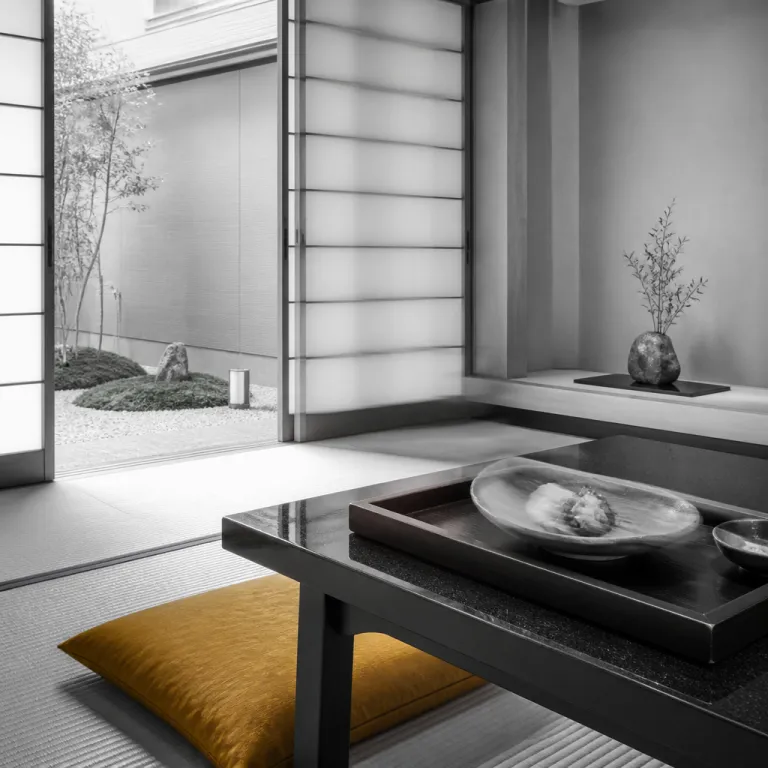
Many luxury hotels in Kyoto now blend contemporary design with traditional craftsmanship, using cedar, washi paper, and stone in calm, minimalist interiors. A luxury hotel in Kyoto city often frames a single maple tree or tiled roof as a focal view, turning the room itself into a quiet observatory. For guests comparing hotels throughout Kyoto, this attention to detail is what separates a standard property from the best luxury urban retreat.
Signature luxury addresses in Kyoto’s most atmospheric districts
Some of the most coveted luxury hotels Kyoto offers sit in Gion and Higashiyama, where narrow streets and wooden townhouses shape the skyline. Park Hyatt Kyoto is a standout address here, with layered terraces that open towards the Higashiyama hills and Yasaka Pagoda, giving many rooms a cinematic view. Guests who stay in this district enjoy walking access to Kiyomizu-dera at dawn, when the city is still quiet.
North of the centre, Aman Kyoto hides within an expansive forest garden, offering one of the most secluded hotel-and-resort-style experiences in Kyoto. Pavilions are scattered between moss-covered stones and winding paths, so every room feels like a private retreat yet remains within easy travel distance of the city’s cultural core. When browsing a booking site for Aman Kyoto, pay attention to the garden layout and pavilion type, because these details shape how you move between the spa, dining spaces, and your suite.
Travellers seeking a more traditional stay in Kyoto often look to historic ryokans such as Tawaraya, which has welcomed guests for centuries. These properties are not branded as a collection hotel or part of a global luxury collection, yet they often surpass international hotels in Kyoto in terms of personal attention and cultural immersion. For readers comparing refined urban retreats in different destinations, it is useful to contrast Kyoto’s discreet addresses with the grand city properties highlighted in this guide to refined urban retreats in Florence, where palazzi and riverfront palaces define the skyline rather than temple roofs.
Riverside elegance and landmark names near central Kyoto
Along the Kamogawa River, several luxury hotels Kyoto travellers favour combine city energy with soothing water views. The Ritz-Carlton, Kyoto, often simply called the Ritz-Carlton by returning guests, stretches along the riverbank with a design that layers stone, glass, and traditional motifs. Many room categories here frame a direct river view, while others look towards the city and distant mountains.
When you check rates and room descriptions for The Ritz-Carlton, Kyoto on a booking site, pay close attention to orientation and floor level. River-facing rooms offer a softer soundscape and seasonal scenery, while city-facing suites can feel more connected to Kyoto’s dining and nightlife districts. For travellers comparing hotel-and-resort options, the Ritz-Carlton brand also brings a consistent standard of service, from meeting facilities and club lounges to curated local experiences.
Nearby, Fauchon Hotel Kyoto adds a Parisian accent to the Kyoto skyline, with pastel tones, patisserie-led dining, and a strong focus on gastronomy. This Kyoto hotel appeals to guests who want a luxury stay that feels playful yet polished, with rooms that overlook either the city streets or the surrounding hills. If you enjoy exploring different urban retreats worldwide, you might recognise a similar balance of energy and comfort in the properties featured in this overview of sophisticated city stays in Manila, where skyline views and riverfront promenades play a similar role.
Kyoto station, business stays, and refined meeting spaces
For many visitors, Kyoto Station is the first landmark they encounter in the city, and its surroundings host several practical yet refined luxury hotels. Staying near the station shortens travel time, simplifies day trips across Japan, and makes late-night arrivals far less stressful. When using a booking site, apply the location filter to highlight hotels in Kyoto that guests can reach on foot from the station concourse.
Hotel Okura Kyoto, often referred to simply as Hotel Okura by international travellers, sits slightly north of the station area yet remains firmly within the city’s business and cultural grid. This luxury hotel offers generous meeting space, elegant ballrooms, and river-facing rooms that appeal to both corporate groups and leisure guests. Okura Kyoto balances classic Japanese hospitality with international standards, making it a reliable choice for conferences that extend into weekend stays.
Several other hotels near Kyoto Station position themselves as hybrid business-and-leisure properties, with flexible meeting rooms and easy access to sightseeing. When evaluating each hotel option in Kyoto, check whether the room categories include work-friendly layouts, soundproofing, and late checkout policies. Travellers who prioritise efficiency often consider these station-area hotels best for short stays, while those seeking deeper immersion may prefer riverside or temple-district locations.
How to use a luxury booking site to choose your Kyoto hotel
Choosing between the many luxury hotels Kyoto offers can feel overwhelming, which is where a well-designed booking site becomes essential. Start by setting your travel dates, then apply a location filter to separate Kyoto Station properties from riverside and temple-district hotels. Next, refine your search by room size, view preference, and whether you need meeting space or only a quiet retreat.
On a premium booking platform, each luxury hotel in Kyoto should have a detailed profile with clear photography, floor plans, and amenity lists. Use the “view details” section to compare room categories, noting whether the hotel offers river, garden, or city views, and whether suites include private onsen-style baths or traditional tatami rooms. For example, Aman Kyoto emphasises its forest-garden setting, Park Hyatt Kyoto highlights its hillside panoramas, and The Ritz-Carlton, Kyoto showcases both river and city vistas.
Price transparency matters as much as aesthetics, especially when nightly rates at top-tier hotels in Kyoto can reach the high hundreds of US dollars or more, depending on season and room type. As a practical benchmark, a standard room at a major international brand in central Kyoto can easily exceed US$600 per night during cherry blossom season, while shoulder months may bring noticeably lower prices. When you check rates, look for flexible cancellation policies, seasonal offers, and packages that include dining or spa credits. For travellers planning multi-stop itineraries across Asia, it can be helpful to compare Kyoto’s pricing and value with other destinations covered in this elevated guide to luxury hotels in India’s iconic destinations, where palace conversions and safari lodges shape a very different style of luxury.
Urban retreats, gardens, and the art of slowing down in Kyoto
What sets luxury hotels Kyoto travellers remember apart is not only architecture but also the way they choreograph time. Many properties integrate a garden, inner courtyard, or rooftop terrace that encourages guests to pause between temple visits and city explorations. In a destination where tea ceremony and Zen practice are part of daily life, these quiet spaces become an essential part of the stay in Kyoto.
Aman Kyoto’s forest garden, for example, turns every walk from room to restaurant into a meditative journey through moss, stone, and cedar. Park Hyatt Kyoto uses layered terraces and carefully framed views to connect guests with the Higashiyama hills, even when they are seated in a restaurant or meeting space. At riverside addresses such as The Ritz-Carlton, Kyoto, the gentle flow of the Kamogawa and the changing colours of the riverbanks provide a constantly shifting backdrop to city life.
Travellers who value design often gravitate towards a collection hotel or luxury collection brand, while others prefer independent hotels and resorts that express Kyoto through bespoke art and craftsmanship. Whether you choose Hotel Okura Kyoto, Fauchon Hotel Kyoto, or a more secluded property, the goal is the same: to find a luxury hotel that lets you slow down without losing access to the city’s cultural heartbeat. As a rule of thumb, allow at least 15 minutes by taxi from Kyoto Station to riverside or Higashiyama districts, book in advance for peak seasons, and check for seasonal promotions and nearby cultural sites.
Key statistics on luxury hotels in Kyoto
- Kyoto hosts a relatively small number of recognised luxury hotels compared with larger Japanese cities, which keeps the market focused on quality rather than volume. Figures vary by source and classification, so travellers should consult recent tourism or hospitality reports for the latest counts.
- Average prices per night at top-tier luxury hotels in Kyoto can be comparable to leading European capitals, with rates fluctuating significantly by brand, room category, and season. Checking multiple booking platforms and official hotel websites helps build a realistic budget.
- Several flagship properties, including Aman Kyoto and Park Hyatt Kyoto, opened within the last decade, reflecting a broader trend in Japan towards integrating modern luxury within historic neighbourhoods rather than building in isolated resort zones.
- Demand for traditional ryokans in Kyoto has risen steadily, with many now adding modern amenities like Wi‑Fi, climate control, and contemporary bathrooms, creating a hybrid between classic inn and contemporary hotel.
- Peak visitation periods such as late March to early April for cherry blossom and late October to late November for autumn foliage typically see higher occupancy and rates, while shoulder periods can offer better value at the same luxury hotels Kyoto travellers admire.
FAQ about luxury hotels in Kyoto
What is the best time to visit Kyoto for a luxury stay ?
Late March to early April and late October to late November are the most sought-after periods, thanks to cherry blossom and autumn foliage, but they usually bring higher prices and limited availability. Many luxury travellers instead target shoulder seasons such as May and late September to early October, which often offer pleasant weather and slightly better value. June is typically part of the rainy season, so it can be quieter but more humid, with occasional advantages in pricing.
Are there luxury hotels in Kyoto with onsen style facilities ?
Several luxury hotels in Kyoto offer private onsen-inspired baths or access to hot-spring-style facilities, although true natural onsen are more common in nearby regions such as Arashiyama and rural Kyoto Prefecture. When using a booking site, apply the spa or wellness filter and then check the details for each Kyoto hotel to confirm whether baths are mineral-fed or simply designed in an onsen aesthetic. Aman Kyoto and some ryokans near the city often provide the most immersive bathing experiences.
Do luxury hotels in Kyoto provide traditional Japanese experiences ?
Many luxury hotels Kyoto travellers choose now integrate traditional elements such as tatami rooms, kaiseki dining, and tea ceremony. When you stay in properties like Park Hyatt Kyoto, The Ritz-Carlton, Kyoto, or a historic ryokan, you can usually arrange cultural activities directly through the concierge, from private tea gatherings to guided temple walks.
Is it better to stay near Kyoto station or in historic districts ?
Staying near Kyoto Station suits travellers with tight schedules, frequent rail travel, or business meetings, because it reduces transfer times and simplifies day trips. Choosing a luxury hotel in Gion, Higashiyama, or along the Kamogawa River offers a more atmospheric Kyoto experience, with easier access to evening walks and traditional streets. Many guests split their trip between a station-area hotel and a more scenic property to enjoy both convenience and character.
How far in advance should I book a luxury hotel in Kyoto ?
For peak seasons such as cherry blossom and autumn foliage, it is wise to check availability and secure your preferred room at least several months ahead. Even outside these periods, the relatively small number of top-tier hotels in Kyoto means the best luxury suites can sell out quickly. Using a reliable booking site with clear cancellation policies allows you to lock in rates while keeping some flexibility.