The quiet power of luxury in overtouristed destinations
Luxury hotels sit at a strange crossroads in global travel and tourism. They welcome a relatively small number of tourists, yet each guest generates far higher revenue than the average visitor and can reshape a city block with a single reservation. That asymmetry makes the luxury hotels overtourism impact responsible travel debate far more complex than a simple “go or do not go” decision.
In many popular destinations, one new luxury hotel can shift how people move, spend, and behave. A waterfront opening in a Mediterranean city may redirect cruise ships’ shuttle buses, alter public transportation routes, and change where tourists linger after dark. The question is whether that hospitality footprint supports sustainable tourism and responsible travel, or quietly accelerates mass tourism and its negative impacts on local communities.
Overtourism describes what happens when the number of visitors overwhelms a destination’s infrastructure, environment, and residents. You see it in the strain on public transport, the rise of short term term rentals, and the social impacts on locals who feel pushed out of their own neighborhoods. Luxury hotels can either ease those impacts overtourism brings by concentrating guests and funding tourism management, or amplify them by chasing volume and social media visibility at any cost.
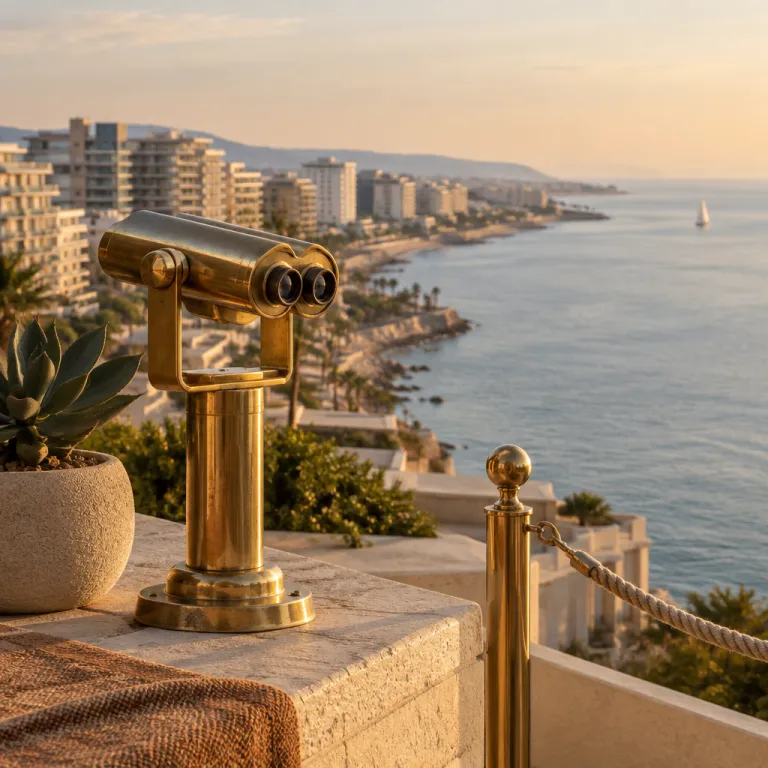
Because luxury properties usually occupy prime sites, they often “own” the best view in the city. That view might once have been a shared vantage point for residents, tourists, and locals meeting after work, but now it sits behind keycard access and a room rate that many people cannot afford. Responsible tourism in this segment means asking whether the environmental social and cultural cost of that exclusivity is offset by genuine benefits for local communities. The most thoughtful hoteliers now frame every design choice, from transportation partnerships to eco friendly materials, through the lens of sustainable travel and quality of life for residents.
Visitor caps, city rules, and the new luxury playbook
As overtourism intensifies, cities are no longer waiting for the market to self correct. Venice has experimented with visitor access fees for day trippers, Barcelona has tightened rules on short term term rentals, and Kyoto has restricted access to certain alleys where tourists overwhelmed locals’ daily routines. These policies are blunt tools, but they are forcing luxury hotels to rethink how they operate in saturated destinations.
In Barcelona, for example, limits on new hotel licenses in the historic center have pushed luxury development toward less crowded districts. That shift can support more balanced tourism management if properties invest in public transportation links and encourage guests to explore beyond the same three streets. When a luxury hotel aligns with sustainable tourism goals, it can help disperse tourists across the wider destination rather than funneling everyone into one already stressed city core.
Visitor caps also change the economics of hospitality at the top end. If a destination will never again chase mass tourism numbers, then high value, low volume travel becomes the only viable strategy. The best properties respond by deepening their environmental social commitments, from funding heritage restoration to underwriting improvements in public transport that benefit residents first and tourists second. In this context, the luxury hotels overtourism impact responsible travel conversation becomes less about guilt and more about measurable contributions.
On the French Riviera, for instance, refined properties in Nice are learning that guests now ask how their stay affects locals, not just which suite has the best sea view. A stay in one of the luxury hotels in Nice on the French Riviera increasingly comes with expectations around eco friendly operations, responsible transportation options, and respectful integration into local communities. When regulations limit expansion, the only sustainable path is to elevate the experience, reduce per guest impacts overtourism might create, and ensure that residents see clear benefits in their daily quality of life. This link may reference commercial or affiliate content; any recommendations are based on editorial judgment rather than automated ranking.
Invisible tourism and the art of blending in
Not every luxury property wants to dominate the skyline or the feed. A growing group of general managers talk about “invisible tourism” — the idea that a hotel can host affluent guests while remaining almost unseen at street level. In practice, this means low key façades, discreet entrances, and a design language that respects the existing urban fabric rather than shouting over it.
Invisible tourism is not about hiding tourists, but about reducing friction between visitors and residents. When a hotel staggers check in times, uses smaller vehicles for transportation, and encourages guests to walk or use public transport, the daily rhythm of the neighborhood remains intact. This approach treats responsible travel as a design principle, not a marketing slogan, and it can significantly reduce the social impacts that often fuel resentment toward tourism.
Some of the most admired mountain retreats in Switzerland have long practiced a version of this philosophy. Many of the grand lakeside properties featured in guides to luxury hotels in Switzerland integrate with their villages through shared infrastructure, local employment, and careful tourism management. Guests arrive by train rather than private car, use public transportation for excursions, and are gently steered toward local businesses that rely on tourism but cannot survive mass tourism.
In coastal destinations, invisible tourism also means rethinking the relationship with cruise ships and day trip traffic. A waterfront luxury hotel that coordinates with port authorities to manage cruise ships’ shuttle flows can protect nearby streets from sudden waves of tourists. When that same property invests in eco friendly energy systems, supports sustainable travel experiences with local guides, and limits its own expansion, the luxury hotels overtourism impact responsible travel equation begins to tilt toward a net positive for residents.
Hiring, profit flows, and the guest’s ethical choice
If you want to understand whether a luxury hotel is serious about responsible tourism, start with the staff list. Does the property hire locals into leadership roles, or are key positions filled almost exclusively by international managers on short contracts ? The answer reveals whether profits and expertise circulate within local communities or are quietly exported to distant headquarters.
Fair wages and training programs are not just internal HR policies ; they are central to sustainable tourism in overtouristed destinations. When residents see that hospitality careers offer progression, stability, and respect, they are more likely to support tourism even when visitor numbers rise. Conversely, if a hotel relies heavily on imported labor while local residents face rising rents from short term term rentals, the social impacts and negative impacts of tourism become harder to justify.
Profit flows matter just as much as payroll. A luxury property that sources food, design, and cultural programming from local businesses keeps more value in the destination and strengthens its environmental social fabric. That same property can use its influence to advocate for better public transportation, smarter tourism management, and regulations that limit mass tourism from cruise ships in favor of longer stays that align with sustainable travel and responsible travel principles.
For guests, the dilemma is real : is choosing a luxury hotel in an overtouristed city part of the problem or part of the solution ? The answer depends on whether the property treats responsible travel as a core operating system or as a seasonal campaign on social media. Before you book, look beyond the view and ask how the hotel engages with locals, supports residents’ quality of life, and addresses the full spectrum of impacts overtourism creates — from transportation emissions to cultural erosion.
What responsible luxury looks like when it is real
Responsible luxury is not a scented candle and a linen tote with a green slogan. It is a set of concrete choices that shape how a hotel uses land, energy, labor, and cultural capital in destinations already under pressure. When done well, those choices turn the luxury hotels overtourism impact responsible travel debate into a story of regeneration rather than depletion.
At property level, this starts with design that respects the city and its residents. Adaptive reuse of existing buildings, modest height limits, and careful integration with local streets can prevent the visual domination that often fuels resentment among locals. Inside, eco friendly systems, low impact materials, and thoughtful transportation partnerships reduce environmental social costs while still delivering a high touch hospitality experience for guests.
Operationally, responsible tourism in the luxury segment means aligning every department with sustainable travel goals. Concierge teams steer tourists toward lesser known neighborhoods and off peak time slots, easing pressure on popular destinations while enriching the overall experience. Revenue managers resist the temptation to chase volume from cruise ships or large groups when the destination is already strained, choosing instead to prioritize longer stays that deepen engagement with local communities.
For travelers, the most powerful tool is informed choice backed by consistent behavior. Ask how the hotel supports residents, whether it collaborates with city authorities on tourism management, and how it measures the social impacts of its presence. Then match your own actions — from using public transport to respecting local norms — with the same level of responsible travel you expect from the property, because the view you enjoy for a short term stay is part of someone else’s everyday life.
Why human judgment still matters in responsible luxury
Technology can help hotels track energy use, optimize transportation routes, and analyze tourism data, but it cannot replace human judgment in complex destinations. In overtouristed cities, the line between welcome visitor and unwelcome intrusion is often subtle and constantly shifting. That is why the most thoughtful general managers treat sustainable tourism as a daily conversation with residents, not a static checklist.
For travelers booking through a curated platform, this is where editorial curation becomes a form of responsibility. A guide that understands the nuances of hospitality in overtouristed destinations will highlight properties that invest in local communities, support public transportation, and minimize negative impacts on residents’ quality of life. It will also be honest about hotels that lean on social media gloss while contributing little to responsible tourism or environmental social progress.
There is a growing recognition that some aspects of luxury travel cannot be automated without losing their ethical core. As one in depth reflection on the future of high end hospitality argues, the most meaningful stays still depend on human discretion, empathy, and context sensitive decisions that no algorithm can fully replicate ; you can explore this perspective in detail through an analysis of what an AI concierge will never understand about luxury hotels. When you combine that human judgment with a clear commitment to responsible travel, the luxury hotels overtourism impact responsible travel equation starts to favor both guests and residents. This link may reference commercial or affiliate content; any discussion remains based on qualitative editorial criteria.
Ultimately, the question “Who owns the view ?” has only one sustainable answer. The view belongs first to the destination and its people, then to the visitors who treat it with care. Luxury hotels that accept this hierarchy — and act on it through hiring, design, transportation choices, and tourism management — are the ones that will still feel relevant when the current wave of mass tourism recedes.
Key figures on luxury, overtourism, and responsible travel
- The World Travel & Tourism Council has estimated that travel and tourism accounted for around 10 percent of global GDP before the pandemic, illustrating how deeply destinations now depend on visitors for economic stability. This figure is based on WTTC’s pre 2020 global economic impact reports.
- Research by the European Parliament on overtourism in cities such as Venice and Barcelona has highlighted that in some peak months, tourists can outnumber residents in historic centers by ratios higher than 2 to 1, putting intense pressure on public transport and local infrastructure. These findings come from briefing papers on tourism carrying capacity in major European cities.
- Data from the United Nations World Tourism Organization shows that international tourist arrivals surpassed 1.4 billion globally in the late 2010s, a rapid increase that has intensified debates about mass tourism and sustainable tourism in fragile destinations. UNWTO’s 2019 barometer and tourism highlights provide the underlying statistics.
- Studies on cruise ships’ environmental impact in the Mediterranean have found that a single large vessel can emit as much particulate matter as tens of thousands of cars per day, underscoring why some ports now limit cruise traffic in favor of longer, land based stays. These estimates draw on comparative emissions research by European environmental agencies.
- Surveys by Booking Holdings and other major travel platforms have reported that a clear majority of travelers say they want more sustainable travel options, yet only a smaller share consistently change their behavior, revealing a gap between intention and action. Recent sustainability reports from large online travel agencies summarize these consumer trends.
- Urban research in cities with high levels of short term term rentals, such as Barcelona and Lisbon, has linked dense clusters of tourist accommodation to rising rents and displacement risks for residents, reinforcing the need for stronger tourism management policies. These conclusions are based on municipal housing studies and academic work on tourism driven gentrification.
Methodology note : when assessing luxury hotels in overtouristed destinations, this editorial perspective prioritizes four criteria — local hiring and training, share of spending directed to nearby businesses, support for public transport and heritage, and clear limits on volume driven growth. Properties mentioned illustratively are selected on the basis of publicly available information and expert interviews rather than paid placement.