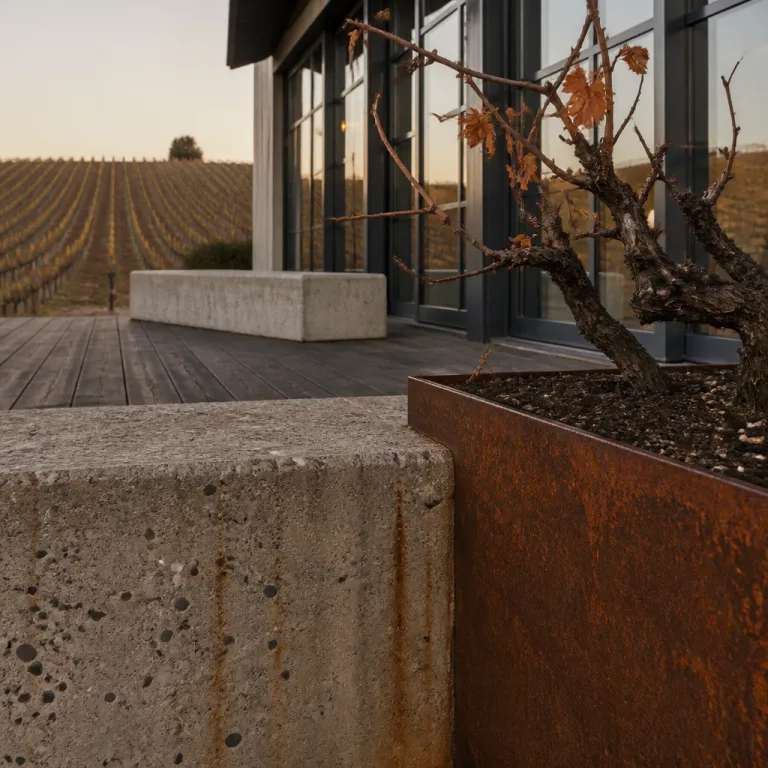
From agritourism to agriluxury: when the land becomes the hotel
Agriluxury farm hotel vineyard luxury stays mark a clear shift in high end hospitality. Instead of treating the surrounding farm or vineyard as scenery, the entire estate becomes the core of the luxury experience, with architecture, service and programming wrapped around working land. This is where a modern luxury resort grows directly out of olive groves, vegetable gardens and rows of vines, rather than being dropped beside them as an afterthought.
The difference from classic agritourism is precise and structural, not just a question of price. Agriluxury properties operate as fully fledged five star hotels, with serious wine programs, chef led farm table dining, curated wine tastings and spa rituals that use the estate’s own olive oil and botanicals. You still wake to roosters and tractors, but you also enjoy breakfast served on linen dressed terraces, with a sommelier already planning your afternoon wine tasting in the barrel room.
In this new travel trend, the working farm is not a rustic backdrop ; it is the luxury product itself. Guests sleep in a villa or converted stone residency where the proportions feel quietly grand, yet the windows frame the vineyard and the heart Tuscany style landscape rather than a city skyline. For couples used to urban penthouses and beach cabanas, agriluxury farm hotel vineyard luxury stays offer something rarer ; a sense that your time and attention are invested in a living estate that will outlast any season.
Seasonality as a privilege: living by the harvest calendar
The most compelling agriluxury farm hotel vineyard luxury stays are built around the agricultural calendar, not a generic entertainment schedule. Instead of themed pool parties, you find pruning workshops in late winter, bud break walks in spring, and long evenings of wine tastings during harvest when the air smells of crushed grapes. The rhythm of the estate sets the pace of your stay, and that slow choreography is a form of luxury in itself.
On a working vineyard in Tuscany, a couple might start the day with a quiet lane walk through olive groves before joining the team to pick grapes for an hour. Later, cooking classes in a restored century old farmhouse show how to build a farm table menu around whatever the gardeners pulled from the soil that morning, with estate olive oil poured as generously as the house wine. When you finally slide into the swimming pool or heated pool after sunset, the water feels like a reward for having actually contributed to the land, however lightly.
This model has spread from European estates to wilderness camps and remote lodges, where the same logic applies to foraging, fishing and conservation work. Properties that once sold only views now sell participation, much like the five star wilderness camps highlighted in this guide to expedition season and remote luxury camps. For agriluxury farm hotel vineyard luxury stays, the harvest calendar becomes the entertainment grid, and guests quickly realise that working with their hands can feel more indulgent than another cocktail by the pool.
From Burgundy to the heart of Tuscany: where agriluxury took root
The earliest agriluxury farm hotel vineyard luxury stays emerged quietly on old European estates, where land, wine and architecture had been intertwined for centuries. In Burgundy, family owned domaines began converting spare wings of the main villa into discreet suites, allowing guests to sleep above the cellar where their favourite bottles were aging. In the heart Tuscany countryside, noble families transformed crumbling farm buildings into a modern yet deeply tuscan residency, keeping the vineyards and olive groves fully operational.
These properties did not imitate urban luxury ; they redefined it. A luxury resort here might have a small but perfectly heated swimming pool carved into a former stone cistern, or a spa hidden in the old granary, while the main restaurant serves a strict farm table menu built around estate produce. Guests move between wine tasting in vaulted cellars, cooking classes in the old kitchen, and long walks across the estate, where every path passes vines, olives or wheat rather than retail arcades.
The model has since travelled far beyond Tuscany and Burgundy, inspiring agriluxury properties in Portugal’s Alentejo, South Africa’s winelands and the valleys of California. What links them is not décor but intent ; the land is always the protagonist, and the hotel simply frames it with high calibre service and design. For travellers who already know the coastal icons and the anti crowd Mediterranean luxury properties described in this analysis of Mediterranean properties designed for summer without the swarm, agriluxury farm hotel vineyard luxury stays offer a quieter, more rooted chapter.
Why working the land now feels more luxurious than the lounge
For many couples booking agriluxury farm hotel vineyard luxury stays, the real indulgence is not the thread count but the chance to feel useful again. Urban life often reduces leisure to passive consumption, yet here you might spend the morning learning to graft vines, press olives or blend your own wine. That sense of agency, of leaving with a skill rather than just a tan, is a powerful form of modern luxury.
Psychologically, these properties tap into a desire for groundedness that city hotels cannot easily replicate. When you walk from your villa to the main hotel through rows of vines, you see the grapes that will appear later in your glass during wine tastings, and you recognise the olive trees that produced the olive oil on your bread at dinner. Even a simple moment when you enjoy breakfast on a terrace overlooking the estate pool feels richer, because you understand the work unfolding in the fields below.
This is also why agriluxury resonates so strongly with the current travel trend toward meaning and connection. A luxurious resort on a beach can feel interchangeable, but a small property on a specific farm in the heart Tuscany landscape is impossible to copy. Guests leave with stories of pruning, harvesting and cooking classes, not just spa menus and bar tabs, and those memories anchor the hotel in their minds long after the residency has ended.
Shorter supply chains, stronger economics: why agriluxury outperforms
Behind the romance of agriluxury farm hotel vineyard luxury stays lies a hard headed economic logic. When a property produces a significant share of its own food and wine, it shortens supply chains, stabilises costs and strengthens its sustainability narrative. A hotel that serves estate wine, vegetables and olive oil at its farm table restaurant is less exposed to market volatility, and more credible when it speaks about local sourcing.
From an investment perspective, agricultural estates with integrated hospitality can outperform traditional resort developments over time. The land generates multiple revenue streams ; grapes for wine, olives for oil, produce for the kitchen, and rooms or villas for guests seeking a luxurious resort experience. Capital expenditure on a swimming pool, spa or modern villa cluster is offset by the enduring value of the vineyard and farm, which continue to produce even when travel demand softens.
For travellers, this alignment of economics and ecology translates into a more coherent stay. You enjoy breakfast knowing the eggs came from the farm, the bread from local grain, and the jam from the orchard just beyond the pool. When planning your next trip, you might pair agriluxury farm hotel vineyard luxury stays with an urban chapter, using resources like this elegant guide to luxury hotels in Lima for discerning urban guests to balance city energy with rural calm. Over time, the properties that treat their estate as both a working farm and a refined hotel will set the benchmark for what luxury can mean outside the city.
How to choose agriluxury farm hotel vineyard luxury stays for your trip
When you start comparing agriluxury farm hotel vineyard luxury stays, focus first on the integrity of the land. Look for a hotel where the vineyard, olive groves and wider farm are clearly active, with visible workers, seasonal tasks and a transparent story about how the estate operates. A property that only gestures toward agriculture with a token vegetable patch is offering décor, not depth.
Next, examine how the hotel integrates the land into daily life for guests. Strong agriluxury properties offer structured wine tasting and wine tastings with the winemaker, hands on cooking classes using estate produce, and guided walks that explain both tuscan history and modern farming techniques. The best luxury resort style estates also balance these activities with quiet spaces ; a pool or swimming pool framed by vines, a small spa, and a villa or residency layout that gives couples privacy between shared experiences.
Finally, consider whether the style matches your expectations of luxury without overwhelming the rural character. Some couples prefer a very modern design language, with high ceilings and glass walls overlooking the heart Tuscany countryside, while others gravitate toward thick stone walls and century old beams. Either way, the most rewarding agriluxury farm hotel vineyard luxury stays feel like places where the land would still make sense without the hotel, and where your presence supports the long term health of the estate rather than simply consuming it.
FAQ: agriluxury farm and vineyard stays
What exactly is an agriluxury farm and vineyard stay ?
An agriluxury farm and vineyard stay is a high end hotel or luxurious resort built on a working agricultural estate, usually with vineyards, olive groves or mixed farming. Guests sleep in refined rooms, suites or villas while the surrounding land continues to produce wine, olive oil and food for the property. The key difference from simple rural accommodation is the combination of five star service, serious culinary programs and direct engagement with the daily life of the farm.
How is agriluxury different from traditional agritourism ?
Agritourism typically offers simple lodging on a farm, with limited services and basic facilities. Agriluxury, by contrast, delivers a full luxury resort experience, including design led spaces, curated wine tastings, cooking classes, spa treatments and a high staff to guest ratio. The agricultural estate remains central, but the level of comfort, privacy and personalised service is closer to a leading city hotel than to a rustic guesthouse.
Is an agriluxury stay suitable for a family trip ?
Many agriluxury properties welcome both couples and family groups, often with multi bedroom villas and flexible residency layouts. Children can join age appropriate activities such as garden visits, gentle farm chores or supervised pool time, while adults focus on wine tasting, farm table dinners and quieter experiences. When booking, check whether the estate emphasises adults only serenity or a more inclusive atmosphere, as policies vary widely.
What should I pack for an agriluxury farm and vineyard holiday ?
Pack as you would for any luxury hotel, but add practical layers for time outdoors on the estate. Comfortable shoes for walking through vineyards and farms, a hat, and clothes that can handle a little dust are essential if you plan to join harvest or garden activities. For evenings, many guests shift back to resort wear for dinners by the pool or in the main restaurant, where the atmosphere is relaxed but polished.
Are agriluxury farm and vineyard stays more sustainable than other resorts ?
Agriluxury properties often have a shorter food supply chain because they grow or produce much of what they serve, from vegetables and herbs to wine and olive oil. This can reduce transport emissions and food waste, and it usually strengthens the connection between guests and the land. Sustainability still depends on each estate’s specific practices, so it is worth asking about water use, energy sources and biodiversity programs when choosing where to stay.
References
Hospitality Net ; Condé Nast Traveler ; Financial Times