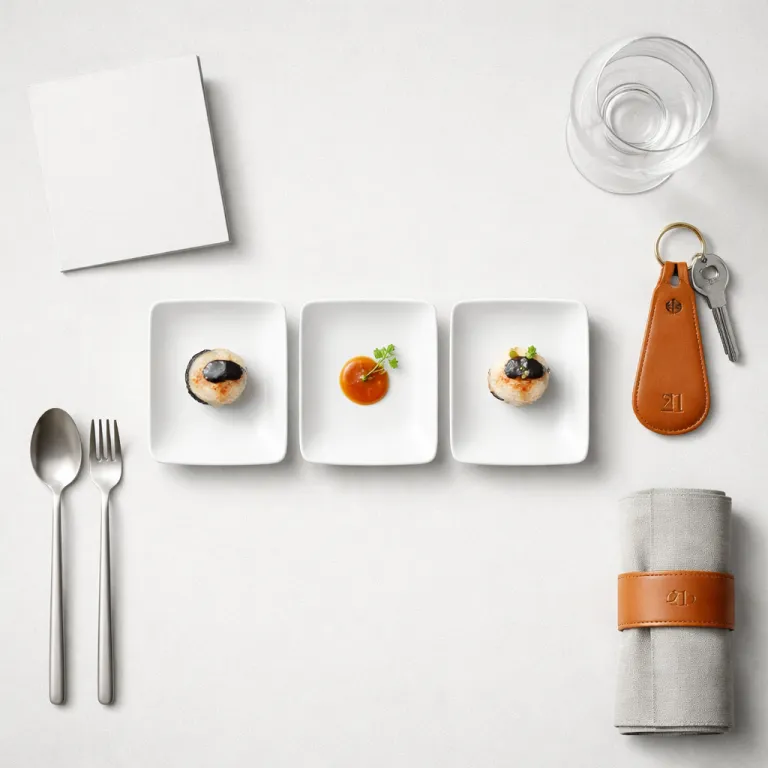
From hotel restaurant to restaurant hotel: when the kitchen leads the stay
For a growing share of luxury travel, the restaurant now chooses the hotel. Luxury hotel restaurants driving travel choice are no longer side amenities; they are the primary reason many executives and gourmets book a room. This shift is clearest in high-end hotels where the dining experience shapes every other element of the stay, from check-in timing to late-night room service.
Data from global hospitality analysts confirms what frequent flyers already feel when they travel for work and leisure. JLL’s Hotel Restaurant Report 2023 notes that in several gateway markets, more than 40% of surveyed upscale and luxury guests cited on-site dining as a top-three booking factor, and internal booking data from leading luxury travel agencies shows that a significant share of international travelers now secure restaurant reservations before they even confirm flights. While exact percentages vary by market and segment, the direction of travel is clear: luxury hotels that treat food as an afterthought are conceding their most valuable guests to more ambitious competitors.
On a premium booking platform focused on luxury hotels, we now see users filtering first by restaurants rather than by room size or spa facilities. They search for a hotel restaurant with a chef they follow, a menu aligned with their dietary preferences, and an award-winning track record in the Michelin Guide or the James Beard ecosystem. In New York, for example, guests may choose The NoMad’s former dining room legacy or Eleven Madison Park’s hotel-adjacent experiences over larger but less distinctive properties; in Las Vegas, reservations at Joël Robuchon at MGM Grand or Restaurant Guy Savoy at Caesars Palace often anchor the entire trip.
This inversion is commercially rational, not just fashionable branding. JLL’s analysis highlights case studies where properties with celebrity chef partnerships achieved RevPAR uplifts in the high single digits to low double digits compared with similar hotels without such alliances, because hotel restaurants attract both in-house guests and locals. When a dining room inside a luxury hotel is full every night with residents who treat it as one of the city’s essential places to eat, the fixed costs of elevated service are spread across a far broader base. That allows the hotel to reinvest in better chefs, deeper wine lists, and more generous room amenities that reinforce the overall experience.
For travelers using a curated booking site, the practical implication is clear and immediate. When you compare hotels, you should now weigh the restaurant’s reputation as heavily as the suite category or spa menu, especially if luxury travel for you means memorable food. The best hotel for a three-night stay might be the one where the signature restaurant holds two Michelin stars and the pastry program has been nominated for a James Beard Award, even if the room is slightly smaller than at more conventional hotels nearby. For more guidance on balancing culinary priorities with room value, you can explore our in-depth resources on Best Luxury Hotels, including our editorial guides to food-led properties and dining-focused stays.
How to read a luxury hotel restaurant like an insider before you book
Choosing between luxury hotels is easier when you evaluate their restaurants with the same rigor you apply to flight classes. Start by looking at whether the hotel restaurant would stand on its own as one of the city’s serious dining rooms, independent of any rooms upstairs. If locals treat it as one of their default places to eat, as they do with The Grill at The Seagram Building in New York or Alain Ducasse at The Dorchester in London, you are already closer to a genuinely elevated dining experience.
Next, examine the chef and the wider team of chefs, not just the décor or the view. A name associated with the Michelin Guide, Michelin stars, or a James Beard Award can be a useful signal, but the real test is how that chef uses the hotel’s resources to create a coherent food narrative. In the best hotel restaurants, the breakfast menu, lobby bar snacks, and in-room dining all feel like chapters of the same story rather than separate, generic offerings. At properties such as The Peninsula Paris or Aman Tokyo, this narrative approach is visible from the morning pastry basket to the final nightcap.
Look carefully at how the hotel integrates its restaurants and spas into a single, seamless experience. In high-end hotels across the United States and Europe, the most thoughtful properties now design wellness itineraries that move from a light, chef-curated lunch to a treatment, then to a tasting menu that respects circadian rhythms. When you see this level of integration on a booking page, it signals a property where luxury is operational, not just visual, and where food and beverage are treated as part of a holistic stay rather than a separate department.
Location still matters, but in a different way than it once did. On an island resort, for example, where alternative restaurant options may be limited, the on-site dining venues effectively become the village square for both hotel guests and nearby residents. At places like Amanpulo in the Philippines or Cheval Blanc Randheli in the Maldives, the hotel restaurant mix defines the entire rhythm of the day. In a city like Las Vegas, by contrast, the question is whether the in-house restaurant can compete with the dense constellation of award-winning restaurants and bars within a few hundred metres.
Before you book, read beyond the marketing adjectives and focus on specifics. Does the restaurant mention seasonal sourcing, a clear culinary point of view, and a chef who is present rather than a distant consultant? Are there references to collaborations with figures such as José Andrés, Daniel Humm, or Massimo Bottura, chefs known for turning hotel restaurants into cultural institutions, not just convenient places to eat between meetings? These are the details that separate a perfunctory hotel dining room from a food-led luxury hotel that will anchor your entire trip, and our Best Luxury Hotels guides increasingly highlight these markers so you can scan for them quickly.
Third spaces and local energy: why the best hotel restaurants feel like cities in miniature
The most compelling luxury hotel restaurants driving travel choice now operate as third spaces, not just as service outlets. A third space is a social environment that sits between home and office, where people linger, talk, and feel part of a community. When a hotel restaurant or bar achieves that status, it transforms the entire hotel into a living, breathing micro-neighbourhood that reflects the city outside.
For business leisure travelers extending a work trip, this third space quality is invaluable. You can hold an informal meeting over a concise tasting menu at lunch, then slide into a corner banquette for a solo dinner that still feels connected to the city’s energy. In the best hotel restaurants, you will notice a healthy mix of hotel guests, local regulars, and industry insiders, which keeps the room animated long after the conference has ended and turns the bar into a reliable place to network.
Some of the most interesting examples sit inside luxury hotels that have rethought their ground floors as porous, public spaces. In the United States, several high-end hotels now position their lobby restaurants and cafés as all-day places to eat and work, with power outlets, serious coffee, and menus that evolve from breakfast to late night. The lobby at The Ace Hotel in New York, the café at The Hoxton in Chicago, or the bar at The Line in Los Angeles all function as de facto members’ clubs without the membership fee, which is exactly what time-pressed executives want from luxury travel.
This approach also changes how service is delivered across the property. Staff are trained to recognise regulars from the neighbourhood as well as repeat hotel guests, and to move fluidly between the restaurant, bar, and room service teams. When you see reviews praising the same server in both the lobby restaurant and the rooftop bar, you are looking at a hotel where service culture is cohesive rather than siloed and where hospitality feels personal rather than scripted.
For travelers using a specialist booking platform, the trick is to read between the lines of property descriptions. Look for mentions of community events, chef’s counter experiences, or collaborations with local artists hosted in restaurants and bars, not just in meeting rooms. These signals indicate that the hotel understands its restaurants as cultural assets, which in turn makes your dining experience richer, more textured, and more likely to be the reason you book a return stay. Our editorial guides on Best Luxury Hotels often highlight this third-space energy as a key differentiator between otherwise similar properties, helping you prioritise hotels where the restaurant genuinely anchors the stay.
Designing an itinerary around food led hotels: practical strategies for smarter booking
When luxury hotel restaurants driving travel choice become your organising principle, the way you plan a trip changes. Instead of starting with flight times and then searching for any available hotel, you begin with a shortlist of food-led properties that align with your culinary interests. From there, you build an itinerary that balances work, leisure, and a sequence of memorable meals that justify the investment in premium travel.
On a curated booking site, this means using filters and maps in a more strategic way. You might first identify three or four luxury hotels whose restaurants appear in the Michelin Guide or on regional best-restaurant lists, then compare their room categories and rates. The goal is not to chase the most stars or the loudest awards, but to find the property where the restaurant, bar, and in-room dining all support the way you actually live on the road, whether that means early breakfasts, late check-ins, or plant-based menus.
For example, an executive flying to the United States for meetings might choose a Las Vegas property where an award-winning chef runs both a flagship restaurant and a more relaxed brasserie. That structure allows for a formal tasting menu with clients one night, then a quick but serious lunch alone before heading to the airport. In this scenario, the hotel’s food ecosystem becomes as important as its meeting rooms or spa facilities, and the right choice can turn a routine business trip into a memorable culinary detour.
On an island retreat, the calculus is different but equally food led. With fewer external restaurants, the best hotel for a weeklong stay will be the one where the chef has designed multiple menus across different venues, so you never feel trapped in a repetitive dining experience. Here, you should pay close attention to how the hotel describes its breakfast, poolside food, and late-night room service, because these often reveal more about everyday quality than the headline fine-dining restaurant and will shape how you actually eat over seven nights.
If you want to go deeper into value, look for properties where food and beverage drive loyalty and therefore better guest treatment. Hotels that generate a higher share of revenue from restaurants and bars tend to invest more in training chefs and front-of-house teams, which you feel in every interaction. For more detailed strategies on aligning rate, benefits, and culinary priorities, you can consult our guide to unlocking exclusive deals on luxury hotels and elevating your travel experience at Best Luxury Hotels, which explains how to use booking channels to secure preferred tables, added value in hotel restaurants, and meaningful upgrades.
Key figures on luxury hotel restaurants shaping travel decisions
- According to JLL’s Hotel Restaurant Report 2023, food and beverage performance is now a core driver of hotel asset value, with properties that successfully position their restaurants as local destinations achieving stronger overall returns than comparable hotels without that draw.
- JLL’s analysis also finds that hotels partnering with recognised chefs or established restaurant brands tend to generate higher revenue per room than similar properties, with several profiled assets reporting mid- to high-single-digit RevPAR premiums, underlining the commercial power of food-led strategies even when room counts and locations are comparable.
- Industry research on luxury hospitality, including the Hotel Year Book 2022, shows food and beverage revenue at leading dining-focused hotels trending above the traditional 25% share of total revenue, with some flagship properties approaching or exceeding the 30–35% range where restaurants attract strong local followings and repeat guests.
- Surveys of high-spending tourists from sources such as Luxury Hotel Travel indicate that luxury hotel restaurants driving travel choice are particularly influential for business leisure travelers, with a notable proportion reporting that they extend stays or shift dates when they can secure reservations at award-winning hotel restaurants or bars.
References
- JLL – Hotel Restaurant Report 2023 (global analysis of hotel food and beverage performance and RevPAR impact)
- Hotel Year Book 2022 – Luxury hospitality design and F&B trends, including revenue mix benchmarks
- Luxury Hotel Travel – Global luxury travel behaviour insights on food-led hotel selection and extended stays