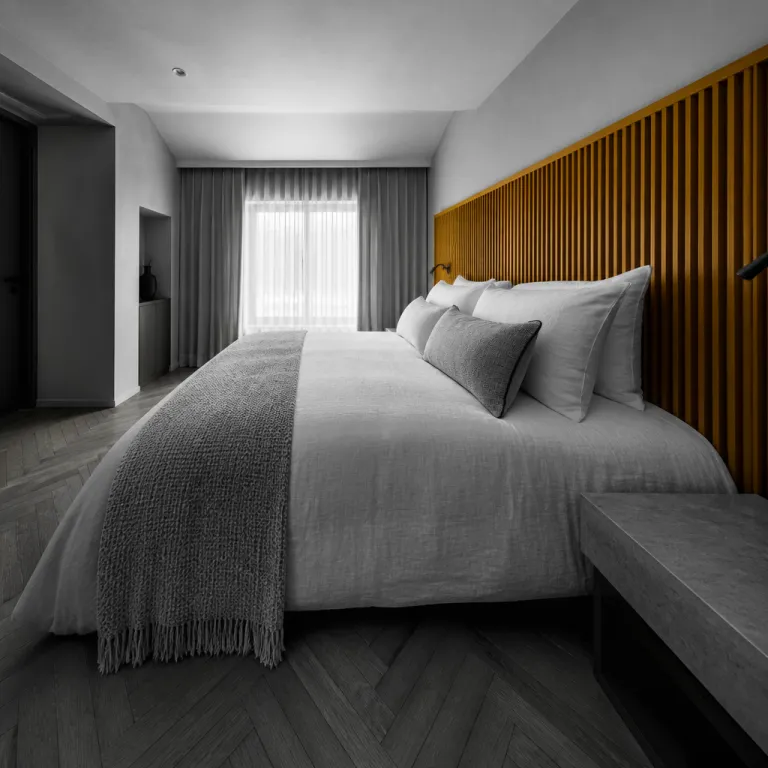
Sleep tourism hotel room quality guide: how to choose a truly restful stay
Why sleep tourism starts with the right hotel room
Sleep tourism is travel designed around one goal: better sleep. The primary function of any luxury hotel room is still rest, yet only a fraction of properties treat sleep quality as seriously as architecture, spa design or destination dining. When you use a sleep-focused hotel room quality guide, you are really learning how to read between the lines of glossy marketing and focus on what will give you a genuinely restorative night’s rest.
Industry analysts now track a global sleep tourism market that has grown by roughly 8% in recent years, driven by travelers who are exhausted by modern lifestyles and constant screens. That growth has pushed leading hotels to invest in smart beds, acoustic engineering, air filtration and circadian lighting systems that quietly transform a standard hotel room into a calibrated sleep experience. For guests, the question is no longer whether a hotel mentions wellness, but whether its sleep amenities are robust enough to justify choosing that property for a multi-night stay.
At the top end of the market, sleep tourism is reshaping what a five-star hotel experience means for both leisure guests and business travelers. A property that once relied on a famous chef or stunning views must now prove that its rooms deliver consistent quality sleep, with bed linens, blackout curtains and air conditioning all tuned to support deep night sleep. When you compare hotels through this lens, a smaller room with impeccable soundproofing and a perfectly weighted duvet often beats a larger suite where you can hear the elevator cables and nightclub bass.
Markers of a genuinely sleep optimized hotel room
A serious sleep tourism hotel room quality guide always begins with four pillars: darkness, silence, temperature and air. True sleep hotels treat blackout curtains as infrastructure, not decoration, so you should be able to close the room off from every stray streetlamp and corridor glow for a reliably good night. When you inspect reviews from other travelers, pay attention to how often guests mention light leakage around the curtains or under the door, because those details often predict whether your own night rest will feel broken or seamless.
Silence is the second non-negotiable, and it is where marketing claims are most easily compared with reality. A hotel that has invested in acoustic isolation will specify double or triple glazing, insulated walls between each room and corridor sound baffles, while a property that only gestures at wellness will talk vaguely about “quiet floors” without publishing any technical detail. When you read guest reviews, look for repeated comments about noise from elevators, plumbing or neighboring rooms, because those patterns matter more than a single five-star rating from a guest who only stayed one night.
Temperature and air quality complete the picture, especially for sleep tourism travelers who are sensitive to stuffy spaces. You want individually controlled air conditioning that can hold a stable temperature around 18–20 °C, plus filtration that reduces dust and city pollution, whether you are in Sedona or in the heart of New York City. Properties that take wellness seriously will often describe their ventilation systems, humidification and hypoallergenic bed linens in the same detail they use for spa menus, and that level of transparency is a strong signal that your sleep experience has been engineered rather than improvised.
For travelers planning a spa-focused escape, destinations such as Sedona show how a landscape known for red rock views can also support deep rest. When you evaluate Sedona luxury hotels with serious spa indulgence, look beyond the treatment list and examine how the rooms themselves support hotel sleep. A property that pairs canyon-facing terraces and stunning views with blackout quality, quiet corridors and a thoughtful sleep amenities program will usually deliver a higher overall hotel experience than one that only focuses on daytime wellness rituals.
- Check for true blackout curtains and minimal light leakage.
- Confirm double glazing, solid doors and limited corridor noise.
- Look for stable temperature control and clear air quality details.
- Scan reviews for recurring praise or complaints about sleep.
Sleep hotels versus general wellness hotels
Not every wellness-focused hotel is a true sleep hotel, and that distinction matters when you are using any sleep tourism hotel room quality guide. A broad wellness property might offer yoga, nutrition consultations and hydrotherapy, yet still treat the room as a neutral backdrop rather than the central stage for your night sleep. A dedicated sleep hotel, by contrast, designs every element of the room, from the bed to the lighting and even the bedside table layout, around the single objective of delivering consistently high sleep quality.
Specialized destinations such as SHA Wellness Clinic in Spain or Palazzo Fiuggi in Italy illustrate how hospitality can integrate advanced diagnostics, physician consultations and IV therapy without feeling clinical. These hotels work with sleep experts and wellness brands to calibrate mattress technology, pillow density, bed linen materials and circadian lighting so that each guest receives a tailored sleep experience rather than a generic spa package. When you compare such properties with conventional five-star hotels, the difference is often felt at 03:00 in the morning, when you either roll over into a perfectly supportive bed or wake up with a numb shoulder and a dry throat.
Urban properties are catching up, especially in cities like Los Angeles where wellness culture is part of the local identity. When you assess refined luxury hotels in Los Angeles, look for those that publish detailed information about their sleep amenities, rather than just mentioning a pillow menu in passing. A hotel that explains its mattress construction, blackout strategy, air conditioning zones and noise mitigation is far more likely to give both leisure guests and business travelers a reliably good night than one that only markets rooftop pools and city views.
How to evaluate sleep claims before you book
Evaluating sleep quality without stepping into the room is where a practical sleep tourism hotel room quality guide earns its keep. Start by reading how the hotel describes its rooms on the official website, and ask whether the language is specific or vague, because real investment in sleep usually comes with technical detail. A property that simply says “quiet rooms with comfortable beds” is not competing in the same league as one that specifies decibel targets, mattress brands, thread counts for bed linens and the exact type of blackout curtains used.
Next, interrogate third-party reviews with a sleep-focused lens rather than just scanning the overall star rating. Filter for keywords such as “noise”, “air conditioning”, “mattress”, “pillows” and “blackout”, then compare how different guests describe their night rest in similar room categories. When several travelers praise the same view room for both silence and comfort, you can be more confident that the hotel experience is consistent, whereas scattered comments about clanging pipes or thin walls suggest that quality sleep may depend heavily on luck and location within the building.
Do not hesitate to email the hotel directly with precise questions, especially if you are planning a longer stay or traveling for recovery after a demanding period. Ask whether they offer any additional sleep amenities such as white noise machines, humidifiers, herbal turndown teas or pre-arrival sleep surveys that allow them to set your preferred temperature and pillow type before you check in. Hotels that take sleep tourism seriously will answer in detail, sometimes assigning a dedicated guest relations contact to coordinate your room preferences, while properties that treat wellness as a marketing label may respond with generic assurances that tell you very little about the real night sleep you can expect.
Inside the room: details that transform your night rest
Once you open the door, the most reliable sleep tourism hotel room quality guide is your own body. Start with the bed, because mattress support, size and motion isolation will shape every hour of your sleep experience, especially if two guests share the same bed. High-end hotels now work with smart bed manufacturers and sleep experts to calibrate firmness zones, while the best properties rotate or replace mattresses on a strict schedule to maintain consistently higher comfort levels.
Textiles matter more than many travelers realize, and they are easy to evaluate in person. Run your hand over the bed linen and check whether the fabric feels breathable and cool rather than slick or plasticky, then look at how tightly the sheets are fitted, because loose corners often signal rushed housekeeping and inconsistent quality standards. A hotel that invests in natural fibers, hypoallergenic fillings and seasonal duvet weights is usually the same hotel that will quietly adjust your pillows or provide additional blankets without fuss when you call the front desk late at night.
Lighting and layout complete the in-room equation, especially for guests who are sensitive to blue light or clutter. Ideally, you should be able to reach a bedside table switch that dims the room in stages, with no harsh overhead glare and no blinking electronics near eye level, so that your brain can slide gradually into sleep rather than snapping off like a boardroom projector. When a hotel has thought through these details, from the placement of reading lamps to the angle of the view so that morning light enters gently, the entire hotel sleep experience feels orchestrated rather than accidental.
For travelers who care as much about gastronomy as rest, the same attention to detail is now extending beyond the bedroom. Some of the most forward-thinking properties are pairing sleep-friendly menus with immersive culinary journeys that avoid heavy late-night dishes and emphasize ingredients that support relaxation, as explored in this guide to culinary immersions that go beyond the hotel restaurant. When the kitchen, spa and rooms operate as a single wellness ecosystem, your chances of a genuinely restorative night sleep rise dramatically.
Business travelers, spa seekers and the ROI of better sleep
Sleep tourism is not only for wellness retreats; it is rapidly becoming a performance strategy for business travelers who need to arrive sharp rather than shattered. Corporate guests who choose hotels with proven sleep quality often report higher productivity, fewer mid-afternoon crashes and a greater sense of control over their schedule, even when crossing time zones. For companies that track travel ROI, upgrading to hotels with serious sleep amenities can be more effective than adding another meeting or incentive dinner.
Leisure travelers are also reframing what a luxury stay means, especially when planning spa and wellness-focused trips. Instead of chasing only the most dramatic view, they are weighing whether a slightly less iconic location with quieter surroundings and better soundproofing might deliver a higher overall hotel experience. When a property combines a strong spa program, thoughtful nutrition, calibrated air conditioning and rooms that consistently deliver quality sleep, the value of the stay often feels greater than a more famous address where guests leave with beautiful photos but lingering fatigue.
Hotels have noticed this shift, and many now partner with sleep experts and wellness brands to design dedicated sleep packages that go beyond a simple pillow menu. As one industry summary puts it, “What is sleep tourism?” and answers its own question: “Travel aimed at improving sleep quality.” It then continues: “Which hotels offer sleep programs?” with the response: “Hotels like Equinox and Six Senses.” and finally explains: “How do hotels enhance sleep?” by stating: “Through specialized amenities and programs.”
For guests, the practical takeaway is clear: when you evaluate hotels through a structured sleep tourism hotel room quality guide, you are not being indulgent, you are being strategic. A hotel that can show how its rooms support deep night rest will usually leave you with better memories, stronger immunity and a calmer nervous system than one that only excels at lobby theatrics. Over time, those accumulated good nights become the real measure of luxury, because a stunning view without restorative sleep is just a pretty backdrop to exhaustion.
How to use reviews and data like an expert
Reading reviews through the lens of a sleep tourism hotel room quality guide requires a different kind of attention. Instead of scanning for comments about breakfast or the pool, focus on how often guests mention noise, mattress comfort, pillow options and the effectiveness of blackout curtains. When multiple reviews from different types of travelers highlight the same strengths or weaknesses, you are looking at structural realities rather than isolated anecdotes.
Pay particular attention to how business travelers describe their stay, because they often arrive late, work in the room and leave early, which makes them sensitive to both air conditioning performance and bed comfort. If several corporate guests praise the same hotel for quiet corridors, reliable temperature control and supportive beds, that is a strong indicator that the property has invested in the fundamentals of hotel sleep rather than just surface-level design. Conversely, repeated complaints about thin walls, hallway noise or flickering thermostats suggest that even a five-star rating cannot guarantee a good night.
Location data also matters, especially in dense urban environments such as New York City where external noise can overwhelm even a well-designed room. A view room facing a busy avenue might offer stunning views but require exceptional glazing to deliver quality sleep, while an inward-facing room on a higher floor could provide a calmer, more cocooned sleep experience. When you combine this contextual reading of reviews with direct questions to the hotel about room orientation, floor level and sleep amenities, you effectively build your own tailored sleep tourism checklist for every trip.
Key figures shaping the rise of sleep tourism
- The global sleep tourism market has been estimated to grow at around 8% annually in the current decade, according to HTF Market Intelligence and similar industry reports, reflecting rising demand for travel that prioritizes rest over sightseeing.
- Specialist hospitality analysts report that a growing share of new luxury hotel projects now allocate significant budget to soundproofing, air quality systems and smart beds, rather than only public area design, indicating a structural shift toward sleep-focused investment.
- Guest satisfaction studies from major hotel groups consistently show that travelers who rate their sleep quality as “excellent” are significantly more likely to return to the same property, underscoring the direct link between night rest and loyalty.
- Wellness travel organizations have documented a steady increase in properties offering dedicated sleep programs and packages, aligning with the broader trend of integrating medical-grade diagnostics and circadian science into hospitality.
FAQ: sleep tourism and hotel room quality
What is sleep tourism in practical terms for hotel guests?
Sleep tourism is travel planned primarily to improve sleep quality rather than to maximize sightseeing or meetings. Guests choose hotels based on room design, mattress technology, blackout effectiveness, noise control and air quality, often pairing these with wellness services such as spa treatments or relaxation coaching. The goal is to return home more rested than when they left, using the hotel room as a controlled environment for deep recovery.
How can I tell if a hotel is genuinely sleep focused before booking?
Look for specific information about mattresses, blackout curtains, soundproofing, air conditioning control and sleep amenities on the hotel website, rather than vague promises of comfort. Then read independent reviews with a focus on noise, temperature stability and bed comfort, paying attention to repeated patterns across different guests. If needed, email the hotel with detailed questions about room orientation, floor level and available sleep extras such as pillow menus, humidifiers or white noise machines.
Are sleep hotels only for wellness retreats and spa travelers?
No, sleep-optimized hotels are increasingly popular with business travelers who need to perform at a high level after long flights or intense meetings. Many corporate guests now prioritize properties with proven sleep quality, even if that means choosing a slightly less central location in exchange for quieter rooms and better air quality. Spa and wellness seekers benefit as well, but the underlying design principles support anyone who values a restorative night rest.
What room features have the biggest impact on my night sleep?
The most influential features are effective blackout curtains, robust soundproofing, individually controlled air conditioning and a high-quality bed with supportive mattress and breathable bed linens. Secondary details such as lighting design, pillow options and the placement of electronic devices also affect how easily you fall asleep and stay asleep. When these elements work together, the overall hotel experience feels calmer, more restorative and more luxurious.
Is paying more for a sleep optimized room really worth it?
For many travelers, paying a higher rate for a room that reliably delivers quality sleep is more valuable than spending the same amount on upgrades such as larger televisions or elaborate minibars. Better rest improves mood, cognitive performance and enjoyment of the destination, which can transform the perceived value of the entire trip. Over multiple journeys, consistently choosing sleep-focused rooms often leads to better health, stronger travel memories and a more sustainable relationship with frequent flying.