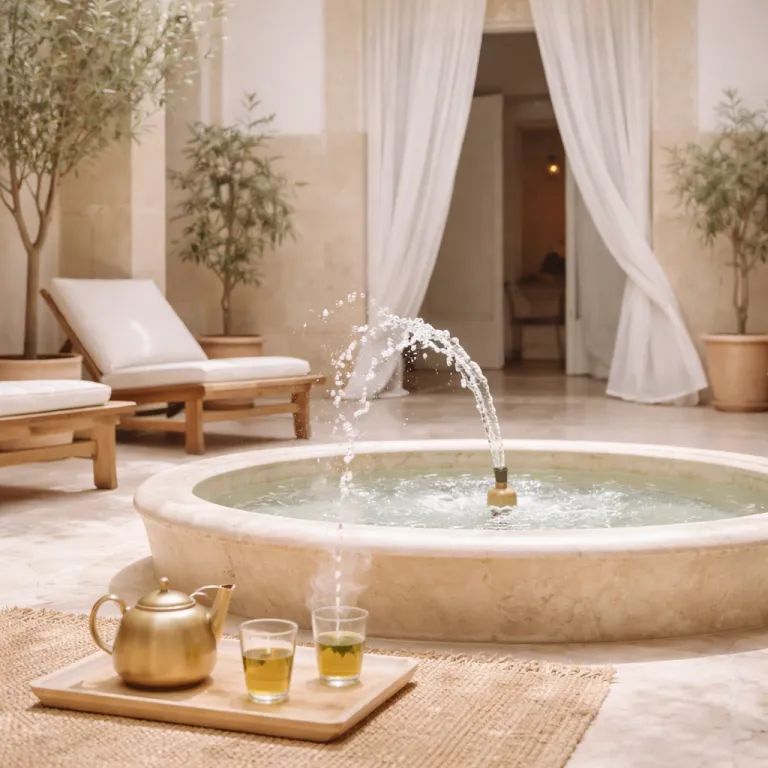
Hotels Morocco Luxury: where to start for an exceptional stay
High-end hotel stays in Morocco begin with choosing the right city and the right hotel category. Across the country, the most sought-after addresses combine refined design, discreet service, and a strong sense of Moroccan place. For many travelers, the most memorable itineraries balance time in a vibrant medina with quieter nights near the Atlas Mountains or the Atlantic and Mediterranean coasts.
In Marrakech, luxury hotels cluster around the historic walls and the palm groves, offering easy access to souks and serene gardens. The legendary Royal Mansour Marrakech, operated by Royal Mansour Hotels, sets the tone for Moroccan palace hotels that blend traditional craftsmanship with contemporary comfort. Its private riad-style suites, each with a plunge pool and rooftop terrace, have helped position Royal Mansour as a reference for ultra-luxury stays in North Africa; according to recent public rate data, entry-level riads in peak season often start around €1,500 per night, though prices fluctuate by date and availability.
Travelers comparing luxury resorts in Morocco often ask about rankings and objective quality markers. According to the World’s 50 Best Hotels list published in 2023, Royal Mansour Marrakech holds position 4 globally, underlining its status within the Royal Mansour Collection (source: World’s 50 Best Hotels 2023 ranking). This kind of recognition matters when you are choosing between a palace-style property in Marrakech, a kasbah retreat in the Atlas region, or a desert camp near Merzouga.
Beyond Marrakech, the landscape of upscale Moroccan hotels is wonderfully diverse. In Casablanca, new high-end openings and renovations, including the development of Royal Mansour Casablanca announced by Royal Mansour Hotels, bring a more urban, business-friendly style of luxury. Along the Mediterranean, planned projects such as Mansour Tamuda and other hotels in Tamuda Bay focus on beach life, with long promenades, a calmer sea, and a resort atmosphere that contrasts with the intensity of the medina.
When you evaluate any hotel in Morocco, pay attention to how it expresses local identity. The best properties use zellige tiles, carved cedar, and Berber textiles without feeling themed or theatrical. Look for a pool courtyard, a shaded garden, and at least one restaurant that highlights Moroccan cuisine alongside international menus, whether you are staying in a city palace, a mountain kasbah, or a coastal resort.
Marrakech: palaces, riads, and hidden retreats
Marrakech remains the beating heart of luxury hospitality in Morocco, with an extraordinary concentration of palace-style properties and intimate riads. The city’s red ramparts, palm groves, and views towards the Atlas Mountains create a cinematic backdrop for every stay. Choosing the right hotel in Marrakech depends on whether you prefer medina immersion or resort-style calm, and on how much time you plan to spend inside the property versus exploring the city.
Inside the old city, a traditional riad hotel offers courtyards, carved plaster, and rooftop terraces with a sweeping view of minarets. Some of the finest luxury riads here reinterpret the concept at scale, with multiple courtyards, a central pool, and hammams inspired by historic bathhouses. These properties often partner with local artisans and international chefs to showcase Moroccan flavors in refined tasting menus, and room categories typically range from compact patio rooms to multi-bedroom suites suitable for families.
Outside the walls, in the Palmeraie and along the road to the Atlas Mountains, you will find larger resort-style hotels with extensive gardens. Many of these Marrakech retreats feature lagoon-style pools, kids clubs, and spa pavilions that appeal to families and longer stays. A few, such as Berber Lodge on the outskirts, lean into a more rustic-chic aesthetic, using stone, earth tones, and Berber textiles to frame the surrounding mountain landscape, with only a few dozen rooms or bungalows to preserve a sense of seclusion.
For travelers who value privacy, Royal Mansour Marrakech stands out among Moroccan luxury hotels for its riad concept and meticulous service. Each private residence feels like a self-contained property, yet guests still enjoy the full facilities of a grand palace, including a vast spa and multiple fine-dining venues. The result is a rare combination of seclusion and access that defines the upper tier of the country’s hotel scene, especially for travelers who prefer butler service, private pools, and secure, discreet entrances.
If you are planning a wider itinerary that includes other glamorous cities, it can be helpful to compare Marrakech palaces with urban sanctuaries elsewhere in Morocco. A contemporary sea-view hotel in Casablanca or a coastal resort in Tamuda Bay will feel very different from a medina riad, so think about whether you want your Marrakech base to be your most opulent stay or a counterpoint to a beach or business hotel later in the trip.
Atlas mountains and Berber country: kasbahs with unforgettable views
Leaving Marrakech behind, the road climbs quickly towards the Atlas Mountains and a very different expression of Moroccan luxury travel. Here, stone kasbah properties and Berber-inspired lodges cling to hillsides, offering a panoramic view of valleys and snow-capped peaks. The atmosphere is quieter, the air cooler, and the focus shifts from souks to scenery, with many guests spending long afternoons on terraces simply watching the light change.
Kasbah Tamadot, Sir Richard Branson’s celebrated retreat in the Atlas Mountains, is one of the most iconic luxury hotels in the region. The property combines lush gardens, a dramatic infinity pool, and traditional Moroccan architecture with polished international service. In 2024, MICHELIN introduced its Keys distinction for hotels, and Kasbah Tamadot was awarded three MICHELIN Keys, placing it among a small group of mountain properties recognized for exceptional character and service in Moroccan alpine destinations (source: MICHELIN Keys 2024 selection for Morocco).
Nearby, Kasbah Bab Ourika, often shortened to Kasbah Bab, offers another benchmark for hotels that prioritize landscape. Perched above the Ourika Valley, this property frames every terrace and pool deck around the view, turning sunrise and sunset into daily rituals. Guests often split their time between a medina riad in Marrakech and a few nights here, creating a balanced luxury itinerary; the transfer from Marrakech usually takes around 45 to 60 minutes by private car, depending on traffic.
Smaller retreats such as Berber Lodge deepen the connection with local culture. Built with traditional materials and surrounded by olive groves, this lodge-style hotel feels more like a Berber village than a conventional resort. For many travelers, these properties offer the best way to experience Moroccan hospitality while still enjoying high thread-count linens, refined cuisine, and carefully curated excursions such as guided hikes, village visits, and picnics in the hills.
When comparing mountain properties, pay attention to altitude, access, and seasonality. Some kasbah hotels sit at higher elevations, offering cooler summers but potentially chilly winter evenings, even with fireplaces and thick blankets. If you are combining the mountains with a coastal escape, consider how you will move between regions: Marrakech to the main Atlas valleys is often a one to two hour drive, while onward journeys to Agadir or Essaouira can add several more hours by road.
Desert dreams: from kasbah gateways to remote luxury camps
For many travelers, Morocco’s luxury offering reaches its most cinematic expression in the desert. Golden dunes, star-filled skies, and the silence of the Sahara create a setting that no city hotel can match. The key is choosing properties and camps that deliver comfort without diluting the sense of remoteness, and understanding how long it really takes to reach them from major gateways.
Dar Ahlam, near Ouarzazate, is often described as a kasbah-style property that acts as a gateway to the desert. The hotel itself occupies a restored earthen fortress, with gardens, a pool, and a series of intimate dining spaces that change nightly. From here, the team organizes private journeys into the desert, where guests sleep in luxury tents with proper beds, fine linens, and candlelit dinners under the stars; the drive from Marrakech to Ouarzazate typically takes four to five hours via the Tizi n’Tichka pass.
Further east, near Merzouga, a new generation of desert camps has raised the standard for remote stays. These camps offer en suite bathrooms, solar-powered lighting, and carefully designed communal tents that feel more like lounges than mess halls. Many travelers now structure their itinerary around a triangle of Marrakech, the Atlas Mountains, and the desert, using Dar Ahlam or similar properties as logistical anchors, and allowing at least two nights in the dunes to justify the long journey.
When you evaluate desert options, ask detailed questions about transfer times, vehicle quality, and safety protocols. A five to eight hour drive across mountain and desert terrain can feel long, but it becomes part of the experience when broken up with kasbah visits and Berber village stops. Some travelers also combine the desert with a coastal or oceanfront stay, using a final few nights by the sea to rest after early morning camel rides and late-night stargazing.
Desert nights can be surprisingly cold, even when daytime temperatures soar. Choose luxury partners that provide proper duvets, hot water bottles, and layered textiles, not just decorative throws. The best camps and kasbah properties will also offer guided walks, camel rides, and astronomy sessions that turn the desert from a backdrop into a lived, memorable landscape, especially for first-time visitors who may never have experienced such silence and darkness.
Imperial cities and the Atlantic: Fès, Casablanca, and Tamuda Bay
Beyond Marrakech and the desert, high-end hotels in Morocco extend across the imperial city of Fès, the Atlantic hub of Casablanca, and the Mediterranean enclave of Tamuda Bay. Each destination offers a distinct mood, from scholarly medinas to glass-fronted towers and beachside promenades. Choosing between them depends on whether you prioritize culture, business, or seaside relaxation, and on how many internal transfers you are comfortable with.
In Fès, the medina remains the main stage, and a refined riad hotel is often the best base. Properties such as Riad Fès reinterpret traditional architecture with contemporary comfort, offering plunge pools, rooftop terraces, and gourmet Moroccan cuisine. Many travelers pair a stay here with time in Marrakech, creating a two-city luxury itinerary that highlights the differences between the red city and the spiritual capital; the train journey between the two usually takes around six to seven hours.
Casablanca plays a different role in the national hotel landscape. Here, Royal Mansour Casablanca and other high-end properties bring palace-level service to a city better known for business towers and port activity. These hotels often emphasize spa facilities, fine dining, and a sea-facing, contemporary design that appeals to both corporate travelers and leisure guests, with room categories that range from standard king rooms to large suites designed for longer stays.
Further north, Tamuda Bay has emerged as a key coastal destination for luxury resorts in Morocco. Mansour Tamuda and other hotels along this stretch of Mediterranean coast focus on beach clubs, family-friendly pools, and water sports. For many European travelers, Tamuda Bay offers a shorter flight and a more relaxed atmosphere than the Atlantic surf towns further south, and summer rates here can vary widely depending on whether you choose a boutique hotel or a large branded resort.
When planning an itinerary that includes Fès, Casablanca, and Tamuda Bay, think about pacing and internal flights. A typical route might start in Casablanca for an urban hotel stay, continue to Fès for medina immersion, and finish with several nights by the sea. Throughout, prioritize Moroccan luxury properties that balance local character with the international standards you expect from a high-end stay, including reliable air conditioning, soundproofing, and multilingual staff.
How to choose the best hotels Morocco luxury for your trip
Selecting the best luxury hotels in Morocco for your itinerary requires more than scanning photos and star ratings. Start by defining your priorities clearly, whether they are spa treatments, cultural immersion, family facilities, or proximity to specific landmarks. Then match each city or region with a property style that aligns with those priorities, and be realistic about how much time you will actually spend on site.
In Marrakech, a palace-style hotel such as Royal Mansour Marrakech or a refined riad near the main square suits travelers who want immediate access to the medina. In the Atlas Mountains, kasbah properties like Kasbah Tamadot or Kasbah Bab Ourika, often called Bab Ourika, work better for guests who value nature, hiking, and a dramatic mountain view. For the desert, a kasbah gateway such as Dar Ahlam combined with a luxury camp offers the most comfortable way to experience dunes and starry skies, especially if you prefer private bathrooms and proper beds.
Along the coasts and in cities such as Casablanca, look for resorts and city hotels that balance business facilities with leisure amenities. A good urban view hotel should offer soundproofed rooms, a spa, and at least one restaurant that highlights Moroccan flavors alongside international dishes. In Tamuda Bay, prioritize properties with multiple pools, kids clubs, and direct beach access if you are traveling with family, and check whether water sports and kids activities are included or charged separately.
Whatever your route, a few principles apply across all high-end Moroccan stays. Book in advance, especially for peak seasons in Marrakech and the Atlas Mountains, when the best suites and riad rooms sell out quickly. Respect local customs in shared spaces, from hammams to hotel restaurants, and take time to explore beyond hotel premises, whether that means a guided medina walk, a cooking class, or a Berber village visit arranged through the concierge.
Finally, when you read full descriptions and reviews on any luxury booking website, focus on specifics rather than adjectives. Look for mentions of pool size, spa facilities, room layouts, and service details, not just generic praise. The most reliable Moroccan luxury hotels will be transparent about what they offer and how they integrate local culture into every aspect of the stay, from welcome tea rituals to locally sourced spa products.
Key figures and trends in Morocco’s luxury hotel scene
- Royal Mansour Marrakech holds position 4 in the World’s 50 Best Hotels list (2023 edition), according to the World’s 50 Best Hotels organization, confirming its status as one of the most acclaimed luxury hotels globally.
- Kasbah Tamadot has been awarded three MICHELIN Keys in the inaugural MICHELIN Keys selection for Morocco, placing it among a small group of mountain properties recognized for exceptional character and service.
- Luxury hotel offerings in Morocco operate year-round, with peak demand typically between March and May and again from September to November, when temperatures are most comfortable for city and desert travel.
- The growth of luxury eco-tourism and increased demand for cultural experiences are driving investment in properties that blend traditional Moroccan hospitality with modern amenities, particularly in the Atlas Mountains and desert regions.
- Royal Mansour Hotels has expanded from its flagship Marrakech property to new projects in Casablanca and Tamuda Bay, signaling strong confidence in the long-term potential of Morocco’s high-end tourism sector.
FAQ about luxury hotels in Morocco
What are the top luxury hotels in Morocco ?
The most frequently cited top luxury hotels in Morocco include Royal Mansour Marrakech, Kasbah Tamadot in the Atlas Mountains, and several properties operated by Four Seasons Hotels in Marrakech and Casablanca. These hotels stand out for their architecture, service, and integration of Moroccan culture. Travelers often combine at least two of these properties within a single itinerary to experience both city palaces and countryside retreats.
When is the best time to visit Morocco for a luxury stay ?
The best time to visit Morocco for a luxury stay is generally from March to May and from September to November. During these months, temperatures are milder in Marrakech, the Atlas Mountains, and the desert, making it easier to enjoy outdoor pools, rooftop terraces, and excursions. Coastal areas such as Tamuda Bay and Casablanca also benefit from pleasant weather in these periods, although sea temperatures can remain cool in early spring.
What amenities do luxury hotels in Morocco usually offer ?
Luxury hotels in Morocco typically offer extensive spa facilities, including hammams, treatment rooms, and relaxation lounges. Guests can expect gourmet dining that highlights Moroccan cuisine, often curated by international chefs, alongside classic international dishes. Many properties also provide cultural tours, guided medina visits, and curated excursions to Berber villages or desert landscapes, as well as private transfers between regions on request.
How far in advance should I book luxury hotels in Marrakech and the Atlas mountains ?
For peak seasons in spring and autumn, it is wise to book luxury hotels in Marrakech and the Atlas Mountains several months in advance. Iconic properties such as Royal Mansour Marrakech, Kasbah Tamadot, and Kasbah Bab Ourika have limited room inventories, and their best suites sell out quickly. Early booking also increases your chances of securing preferred room categories and connecting options for families, especially during school holidays and major festivals.
Are luxury desert stays in Morocco suitable for families ?
Many luxury desert stays in Morocco are suitable for families, especially those that combine a kasbah-style base such as Dar Ahlam with well-equipped camps. Parents should confirm bedding configurations, bathroom facilities, and transfer times before booking, as some journeys can be long for younger children. Choosing established operators with strong safety records, clear communication, and flexible dining times is essential for a comfortable family experience.