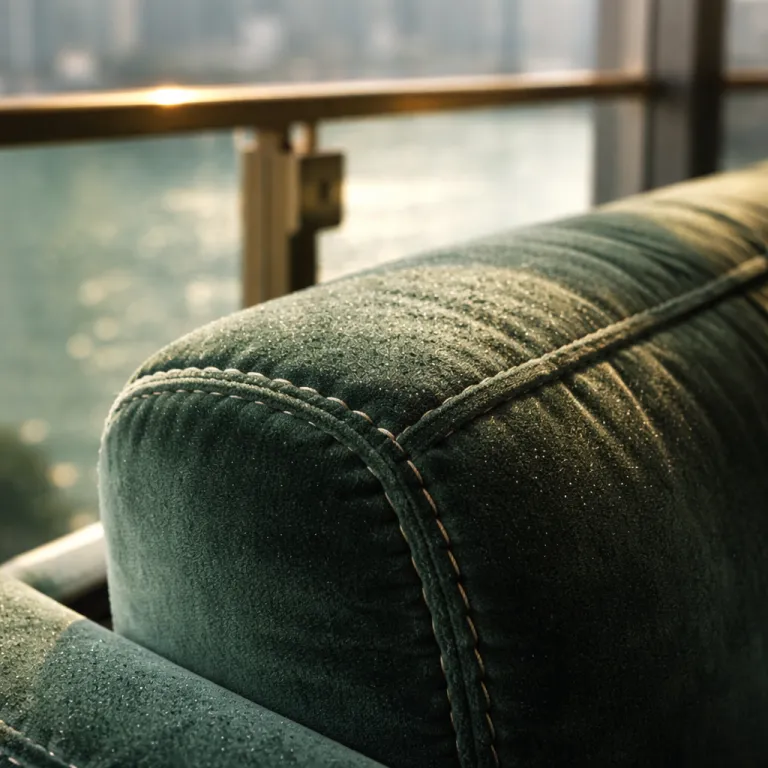
Urban retreats in Hong Kong luxury hotels: how the city shapes your stay
Hong Kong luxury hotels turn one of Asia’s densest skylines into a surprisingly serene urban retreat. In this vertical city, the best properties frame Victoria Harbour and the surrounding hills so you feel cocooned above the energy below. For travellers arriving from across mainland China or further afield, the right hotel location can completely transform how the city feels.
Most luxury hotels sit on Hong Kong Island or in Kowloon, each side of the harbour offering a distinct mood. On the island, areas such as Central, Admiralty, and Wan Chai place you close to finance, galleries, and dining, while Tsim Sha Tsui and West Kowloon lean into sweeping harbour views and easy access to shopping and museums. When you check into one of these high-end hotels, you are not just booking a room for the night; you are choosing your own version of Hong Kong.
Rosewood Hong Kong in Tsim Sha Tsui is often described as one of the city’s most opulent addresses. With 413 rooms and suites and 11 restaurants and bars, this Kowloon waterfront hotel combines residential-style comfort with an art-filled ambience that feels more private residence than traditional property (source: Rosewood Hong Kong official website). Many rooms feature floor-to-ceiling windows that frame the harbour and skyline, turning even a short stay into a cinematic experience of Hong Kong.
Across the water, The Peninsula Hong Kong anchors the tip of Kowloon with its historic façade and fleet of Rolls-Royce cars. Guests choose this grande dame for its commanding views over Victoria Harbour and its legendary afternoon tea, which has become a ritual for both visitors and locals. When you compare Hong Kong luxury hotels, The Peninsula excels for heritage and service, while Rosewood Hong Kong stands out for contemporary design and residential-scale rooms.
Urban retreats in Hong Kong are not only about skyline views; they are also about how you move through the city. Staying in West Kowloon places you near high-speed rail links into mainland China, while a hotel in Wan Chai connects you quickly to the convention centre and nightlife. Before you book, check transport links, walking distances, and how the hotel’s lounge and public spaces feel at different times of day.
Choosing the right Hong Kong luxury hotels by neighbourhood and harbour views
Neighbourhood choice is the first serious decision when comparing Hong Kong luxury hotels. On the Kowloon side, Tsim Sha Tsui and the broader harbourfront area offer a classic skyline panorama, while West Kowloon delivers a newer cultural-district feel around the Xiqu Centre and M+ museum. Hong Kong Island neighbourhoods such as Wan Chai and Admiralty lean more towards business, galleries, and dining, with fast connections across the harbour.
For travellers who prioritise views, hotels along the Tsim Sha Tsui waterfront and in West Kowloon are hard to beat. Many rooms in Rosewood Hong Kong and The Peninsula Hong Kong look directly across Victoria Harbour, with floor-to-ceiling glass that turns the skyline into living artwork. When you check availability, pay attention to room descriptions that specify harbour views, partial harbour views, or city views, because the price difference per night can be significant.
On Hong Kong Island, properties near Pacific Place and Admiralty offer elevated perspectives over the harbour and the green slopes behind the city. The Upper House, although smaller in room count, is known for its calm interiors and expansive city views that feel far removed from the streets below (source: The Upper House official website). Many business travellers still choose island locations for easier access to offices and restaurants, even if they sacrifice a direct waterfront setting.
When comparing luxury hotels across Hong Kong, consider how you plan to move each day. If you expect to spend evenings in Kowloon dining or shopping, a five-star property in Tsim Sha Tsui or West Kowloon will reduce travel time and taxi costs. If your schedule centres on meetings in Wan Chai or Central, staying on the island will keep transfers short and allow you to return to your room or lounge between appointments.
Harbour-facing properties often highlight their afternoon tea service, especially those with a strong sense of oriental style. At The Peninsula Hong Kong, afternoon tea in the grand lobby has become a destination in itself, while Rosewood Hong Kong offers more contemporary lounge spaces overlooking Victoria Harbour. For travellers who enjoy refined breaks between sightseeing, these rituals can be as important as the main restaurant or spa when choosing among Hong Kong luxury hotels.
If you are planning a wider journey that includes other urban retreats, it can be useful to compare how different cities handle luxury in dense environments. An elegant guide to luxury hotels in Nice, France for an urban Riviera retreat shows how European coastal cities balance sea views and city life, while Hong Kong luxury hotels interpret the harbour skyline through a distinctly Asian lens. Reading across destinations helps you decide whether you prefer classic European promenades or the vertical drama of Hong Kong.
Rooms, suites, and club lounges: what defines comfort in Hong Kong luxury hotels
Room design in Hong Kong luxury hotels reflects the city’s vertical nature and limited land. Many properties prioritise generous room sizes and clever layouts, because guests often spend more time indoors during humid summers or typhoon season. When you check room categories, look beyond square metres and focus on how the space is organised for work, rest, and views.
At Rosewood Hong Kong, rooms and suites are styled like private residences, with warm materials and residential furniture that soften the tower setting. The 413 rooms include a wide range of categories, so you can choose between harbour-facing suites with floor-to-ceiling windows or more intimate city-facing spaces (source: Rosewood Hong Kong official website). In contrast, The Peninsula Hong Kong blends classic detailing with updated technology, appealing to travellers who appreciate heritage but still want seamless in-room controls.
Many Hong Kong luxury hotels offer a club lounge or executive lounge floor that adds privacy and value. Access typically includes breakfast, light snacks, evening cocktails, and sometimes meeting spaces, which can offset the higher nightly rate if you use the services fully. When comparing five-star hotels across Hong Kong, calculate how much you would otherwise spend on casual dining and drinks, because a well-run club lounge can significantly enhance your stay.
Some travellers look for specific brands such as The Ritz-Carlton or Mandarin Oriental when choosing a luxury hotel, especially if they hold loyalty status. While reference material mentions names like ritz, carlton, ritz carlton, mandarin oriental, carlton hong, and oriental hong, always check current brand affiliations and exact locations, because properties can reflag or renovate over time. Whether you choose a Ritz-Carlton-style tower or a Mandarin Oriental-style harbourfront property, focus on how the room and lounge offerings align with your travel patterns.
Bathrooms and wellness features inside the room also matter in a dense city like Hong Kong. Deep soaking tubs with harbour views, double vanities, and generous storage can make even a short night feel restorative, especially after long-haul flights from Europe or North America. When you compare room photos, look for details such as window placement, seating by the glass, and whether the floor-to-ceiling design truly maximises the view or is partially blocked by structural elements.
Travellers who enjoy exploring multiple Asian cities often compare Hong Kong luxury hotels with properties in Tokyo or Singapore. An elegant guide to the best luxury hotels in Tokyo for a refined urban stay shows how Japanese properties emphasise ritual and calm, while Hong Kong leans into harbour drama and skyline energy. Understanding these differences helps you choose whether to prioritise expansive views, spa facilities, or club lounge access on each leg of your journey.
Dining, Michelin starred experiences, and afternoon tea in Hong Kong luxury hotels
Culinary experiences are a defining feature of Hong Kong luxury hotels, often rivaling the city’s independent restaurants. With 11 restaurants at Rosewood Hong Kong alone, guests can move from casual lounge snacks to fine dining without leaving the property (source: Rosewood Hong Kong official website). For many travellers, the quality and variety of dining options weigh as heavily as room size or spa facilities when choosing where to stay.
Hong Kong has long been known for its concentration of Michelin-starred restaurants, and many of these sit inside major hotels. When you check restaurant listings, pay attention to whether the Michelin-starred venues are Cantonese, French, Japanese, or contemporary, because this will shape your overall dining experience. Some luxury hotels in Hong Kong pair a signature Chinese restaurant with a Western brasserie and a rooftop bar, giving you multiple atmospheres across a single night.
Afternoon tea remains a cherished ritual in several harbourfront properties, especially those with a strong sense of oriental heritage. The Peninsula Hong Kong is particularly famous for its afternoon tea in the grand lobby, where live music and high ceilings create a timeless atmosphere. Other Hong Kong luxury hotels, including Rosewood Hong Kong, reinterpret afternoon tea in more modern lounge settings, often with views over Victoria Harbour.
Location plays a role in how you use hotel dining. In Tsim Sha Tsui and the wider Kowloon area, you are surrounded by independent restaurants and street-level dining, so the hotel restaurant becomes one option among many. In West Kowloon, where the cultural district is still evolving, in-house dining and lounge spaces may play a larger role in your stay, especially if you prefer to avoid long taxi rides at night.
Travellers who enjoy comparing culinary scenes across cities might look at guides to luxury hotels in other gastronomic destinations. An elegant guide to luxury hotels in Scotland’s most captivating destinations, for example, highlights how rural estates focus on local produce and seasonal menus, while Hong Kong luxury hotels emphasise global chefs and high-rise views. Both approaches can feel indulgent, but Hong Kong adds the extra drama of harbour lights and skyline reflections as you dine.
When planning your stay, reserve key restaurants and afternoon tea slots as soon as you confirm your room. Popular Michelin-starred venues and harbour-view lounges often book out several nights in advance, especially around weekends and major events in Hong Kong or across China. By securing these reservations early, you ensure that dining becomes a highlight of your hotel experience rather than a last-minute compromise.
Spa, wellness, and responsible hospitality in Hong Kong luxury hotels
Wellness has become central to the identity of Hong Kong luxury hotels, especially as business travellers seek balance during intense schedules. Many leading properties feature full-service spa facilities with treatment rooms, hydrotherapy areas, and relaxation lounges overlooking the harbour or city. When you check spa menus, look for locally inspired therapies that draw on Chinese wellness traditions as well as international techniques.
In a dense urban environment like Hong Kong, spa design often emphasises soundproofing, lighting, and flow to create a sense of retreat. Some hotels integrate their spa with a fitness centre and pool deck, allowing you to move from a morning swim to a massage and then to a quiet lounge area. Others position the spa on higher floors with floor-to-ceiling windows, so you can enjoy views over Victoria Harbour while still feeling removed from the city below.
Responsible hospitality is increasingly important across Hong Kong luxury hotels, as guests ask how properties manage energy, water, and community impact. Many luxury hotels in Hong Kong now highlight initiatives such as reduced single-use plastics, local sourcing for spa products, and partnerships with neighbourhood artisans. When you evaluate a potential stay, consider not only the spa and wellness offerings but also how the property communicates its responsible hospitality commitments.
Some travellers prefer wellness-focused brands such as Mandarin Oriental or Rosewood Hong Kong, which often integrate spa philosophy into the overall guest journey. At these properties, you may find wellness concierges, in-room yoga equipment, or sleep-focused amenities that extend beyond the spa itself. Whether you choose a harbourfront tower in Kowloon or a more discreet address in Wan Chai, ask how the hotel supports rest and recovery during your stay.
Pool design also plays a role in the wellness experience, especially in hotels with dramatic skyline settings. Infinity pools overlooking Victoria Harbour or the mountains behind Hong Kong can turn a simple swim into a memorable moment, particularly at night when the city lights reflect on the water. When comparing options across the city, check whether pools are indoor, outdoor, or a hybrid, and whether they remain open during cooler months.
For travellers arriving from long-haul flights across Europe or North America, scheduling a spa treatment on the first night can ease jet lag and set the tone for the trip. Many Hong Kong luxury hotels offer arrival or recovery packages that combine massage, light dining, and early check-in, which can be especially valuable if you land early in the day. By aligning spa, wellness, and responsible hospitality priorities, you can turn a necessary stopover in Hong Kong into a restorative urban retreat.
Practical booking strategies for Hong Kong luxury hotels and urban stays
Securing the right room at the right price in Hong Kong luxury hotels requires planning. Demand peaks around major trade fairs, art events, and regional holidays, so rates can fluctuate sharply from one night to the next. To avoid surprises, check flexible dates and compare several five-star options across both Hong Kong Island and Kowloon.
Booking directly with the hotel or through a trusted luxury booking website often unlocks added benefits. These can include early check-in, late checkout, complimentary breakfast, or access to a club lounge, which may offset a slightly higher nightly rate. When comparing offers across Hong Kong, factor in these inclusions rather than focusing solely on the base room price.
Loyalty programmes linked to brands such as Ritz Carlton, Mandarin Oriental, or other international luxury hotel groups can provide meaningful value if you travel frequently. Points, status benefits, and occasional upgrades can make a significant difference in room type, views, or lounge access, especially during busy periods in Hong Kong. Always check whether your preferred Hong Kong luxury hotels participate in a wider network before finalising your booking.
Location remains a key driver of both price and experience. Properties in Tsim Sha Tsui, West Kowloon, and Central often command higher rates due to proximity to business districts, shopping, and harbour views, while hotels in Wan Chai or other neighbourhoods may offer better value. When you check maps and transport options, consider how much time you are willing to spend in transit each day.
Travellers who plan multi-city itineraries across Asia sometimes combine Hong Kong with destinations such as Tokyo, Singapore, or coastal France. Comparing rate patterns and inclusions across these cities helps you allocate budget strategically, perhaps choosing a harbour-view suite in Hong Kong and a more modest room elsewhere. By thinking of your trip as a whole, you can decide where a club lounge, spa package, or Michelin-starred dining experience will have the greatest impact.
Finally, always review cancellation policies and payment terms carefully, especially when booking non-refundable rates. Weather events, schedule changes, or shifts in regional travel rules can affect plans across China and beyond, so flexibility has real value. A slightly higher rate that allows changes may be worthwhile if your schedule around Hong Kong is not yet fixed.
How Hong Kong luxury hotels compare with other global urban retreats
Hong Kong luxury hotels occupy a distinctive niche among global urban retreats. The combination of steep hills, dense towers, and Victoria Harbour creates a three-dimensional cityscape that few destinations can match. When you compare Hong Kong with cities such as Tokyo, Singapore, or New York, the interplay between water, mountains, and skyline becomes a defining feature.
In terms of service style, Hong Kong balances British colonial heritage, Cantonese traditions, and contemporary international influences. Properties such as The Peninsula Hong Kong and Rosewood Hong Kong reflect this blend through formal afternoon tea rituals, discreet spa experiences, and modern lounge design. Guests arriving from other parts of China or from Europe often comment on how quickly the city’s rhythm becomes part of the hotel experience.
Price wise, Hong Kong luxury hotels sit at the upper end of the global spectrum, especially for harbour-view rooms and suites. However, the density of high-end hotels in Hong Kong also creates competition, which can lead to attractive packages during quieter periods. When you check rates across multiple dates, you may find that a harbour-view room on a weekday night costs less than a city-view room over a peak weekend.
Compared with European coastal cities such as Nice, where promenades and low-rise architecture dominate, Hong Kong expresses luxury vertically. Guides to elegant urban Riviera retreats highlight sea-level strolls and historic façades, while Hong Kong luxury hotels focus on floor-to-ceiling windows, sky-high lounges, and dramatic night views. Both styles have their appeal, but the sense of height and density in Hong Kong is unique.
For travellers who value culinary exploration, Hong Kong’s concentration of Michelin-starred restaurants and high-quality casual dining is a major draw. Many of these venues sit inside or adjacent to major hotels, making it easy to combine fine dining with comfortable rooms and efficient service. When planning a multi-city itinerary, you might choose Hong Kong as the culinary highlight, balancing it with more relaxed destinations elsewhere.
Ultimately, the best way to evaluate Hong Kong luxury hotels is to align them with your own travel priorities. If you value harbour views and dramatic architecture, focus on properties in Tsim Sha Tsui, West Kowloon, or Central with direct sightlines over Victoria Harbour. If you prefer quieter streets and local neighbourhoods, consider Wan Chai or other districts where the hotel becomes a calm base within the wider energy of Hong Kong.
Key statistics on Hong Kong luxury hotels and urban retreats
- Rosewood Hong Kong offers 413 rooms, which positions it among the larger luxury properties in the city and allows for a wide range of room and suite categories (source: Rosewood Hong Kong official website).
- Rosewood Hong Kong operates 11 restaurants and bars, giving in-house guests extensive dining choice without leaving the hotel (source: Rosewood Hong Kong official website).
- The Upper House provides 113 rooms, illustrating how some Hong Kong luxury hotels focus on a more intimate scale while still offering expansive city views (source: The Upper House official website).
- Harbour-facing properties in Tsim Sha Tsui and West Kowloon typically command premium rates compared with city-view rooms, reflecting the high demand for unobstructed Victoria Harbour views in Hong Kong (aggregated from major hotel booking platforms).
- Hong Kong consistently ranks among the top global cities for Michelin-starred restaurants, with many stars concentrated in hotel-based venues, reinforcing the role of hotels as culinary destinations (data from the Michelin Guide for Hong Kong and Macau).
FAQ about Hong Kong luxury hotels
What is the most luxurious hotel in Hong Kong ?
According to widely cited reference data, “Rosewood Hong Kong is often regarded as the most luxurious hotel”. This perception stems from its large room inventory, extensive dining options, and prime Victoria Harbour location in Tsim Sha Tsui. Travellers who prioritise contemporary design and residential-style rooms often place it at the top of their Hong Kong luxury hotels shortlist.
Which luxury hotel in Hong Kong offers the best harbour views ?
Many reviewers note that “The Peninsula Hong Kong offers stunning harbor views”, and its position on the Kowloon waterfront delivers a classic skyline panorama. Rooms and suites facing Victoria Harbour capture both Hong Kong Island and the busy shipping lanes, especially dramatic at night. Other properties in West Kowloon and Tsim Sha Tsui also provide excellent views, but The Peninsula remains a benchmark.
Are there smaller luxury properties in Hong Kong ?
The Upper House is highlighted as a notable smaller luxury property with 113 rooms and strong city views. While some descriptions use the term boutique, travellers mainly experience it as a calm, design-led retreat above the Pacific Place complex. Its scale contrasts with larger Hong Kong luxury hotels, appealing to guests who prefer a quieter atmosphere.
How far in advance should I book Hong Kong luxury hotels ?
For peak periods such as major trade fairs, art events, and regional holidays, booking several months ahead is advisable. During quieter times, you may find competitive rates closer to arrival, but harbour-view rooms and suites in top properties like Rosewood Hong Kong and The Peninsula Hong Kong still sell out early. Always check flexible dates and cancellation policies to balance price with security.
Which areas are best for first time visitors choosing a luxury hotel ?
First-time visitors often choose Tsim Sha Tsui or West Kowloon for direct Victoria Harbour views and easy access to major attractions. Others prefer Central or Wan Chai on Hong Kong Island for proximity to business districts, dining, and nightlife. Your choice among Hong Kong luxury hotels should reflect whether you prioritise skyline views, shopping, or quick access to meetings and cultural sites.