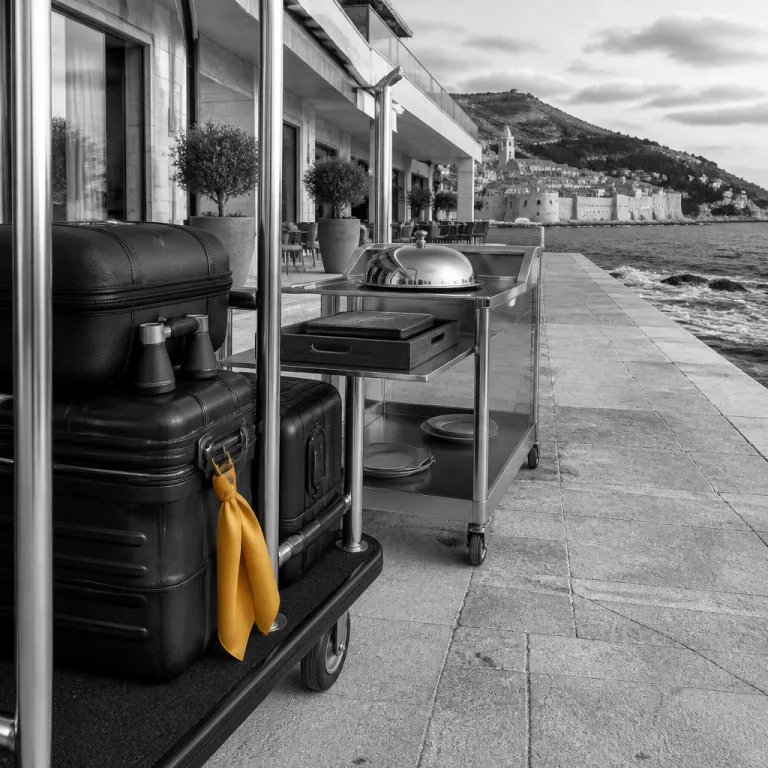
Why luxury hotels in Croatia belong on your shortlist
Luxury hotels in Croatia combine Adriatic sea views with characterful historic settings. Many properties occupy restored palaces or grand villas, which gives every room a sense of place and narrative. For travelers comparing luxury hotels in Croatia with other Mediterranean destinations, the balance of value, culture, and scenery is compelling.
The country now counts hundreds of upscale hotels, from a clifftop spa retreat in Dubrovnik to a heritage property facing a Roman palace in Split. According to data compiled from Croatia’s Ministry of Tourism and Sports and the Croatian Bureau of Statistics for 2023, the number of high-end hotels has reached roughly 420 properties nationwide, signaling a mature yet still growing market for discerning guests. This estimate is based on the official tally of four- and five-star hotels in the 2023 accommodation statistics tables, then rounded to the nearest ten to account for properties that opened or rebranded after the reporting cut-off. This density of accommodation across Croatia means you can choose a city stay, an island retreat, or a countryside escape without sacrificing service standards.
In Dubrovnik, the Royal Princess Hotel and Hotel Excelsior Dubrovnik illustrate how a luxury hotel can frame the city’s medieval walls and the open sea in one sweeping view. Each hotel offers spacious rooms with balconies, and every room is designed to make the most of the sea view at sunrise or sunset. When you book a night in these coastal hotels, you are paying not only for the property itself but also for privileged access to one of the Adriatic’s best panoramas.
Travelers often ask, “What is the most luxurious hotel in Croatia? Croatia's flagship 5-star hotels are in Dubrovnik, Split, and Zagreb.” That answer reflects how the country’s leading hotels cluster in major gateways, while smaller coastal town destinations such as Rovinj and Hvar now rival them in refinement. If you plan to explore luxury stays across several regions in one trip, consider combining at least one city hotel with an island property for contrast.
Dubrovnik: clifftop retreats and waterfront legends
Dubrovnik is the city where Croatian luxury properties first gained global attention, and it remains the country’s most iconic coastal stage. Along the cliffs east of the old town, Villa Dubrovnik stands as a serene hideaway located above the sea, with every room angled toward the island of Lokrum and the city walls. Guests wake to a sea view that feels almost theatrical, especially when the light changes by the minute.
On the Lapad peninsula, the Royal Princess Hotel and Valamar Collection Dubrovnik President Hotel deliver resort-style stays with pools, promenades, and direct access to the water. Each hotel offers generous rooms and suites, and a typical night here includes sunset drinks followed by dinner in a hotel restaurant overlooking the Adriatic. These Dubrovnik resorts are ideal if you want a quieter base that is still only a short taxi ride from the old town.
Within the historic center, The Pucic Palace occupies an eighteenth-century residence that has been carefully restored as a refined heritage hotel. The property is located on a cobbled square, and some rooms look directly onto baroque façades, while others offer a partial sea view beyond the rooftops. You step out of the hotel and within a minute’s walk you are on the limestone main street, surrounded by cafés, galleries, and the city’s best restaurants.
For travelers comparing Dubrovnik with long-haul destinations, the level of service now rivals what you might expect from leading hotels in Asia, particularly in terms of concierge support and attention to detail. One recent guest at a clifftop property described the experience as “a small resort with the service culture of a grand hotel,” noting how staff arranged a last-minute private boat trip within an hour. In practice, Dubrovnik’s hotels excel at blending historic architecture with modern comforts, which gives every night here a distinctive sense of drama.
Split and its surroundings: urban energy and coastal calm
Split is Croatia’s second city and a dynamic base for travelers who want both culture and island hopping. The waterfront promenade frames Diocletian’s Palace, and several luxury hotels in Split Croatia sit within walking distance of this UNESCO-listed core. When you choose a hotel located near the palace, every room becomes a front-row seat on local life, from early morning market runs to late evening strolls.
Le Méridien Lav Split, technically located in Podstrana just outside Split, is a resort-style property with a private marina and Mediterranean gardens. Guests can spend the day by the sea, then reach the city in about a fifteen-minute drive for dinner or nightlife. This hotel’s rooms often feature a wide sea view, and a night here feels more like a coastal retreat than a typical city stay.
Within Split itself, several heritage hotel conversions occupy stone townhouses and former palaces near the old town gates. These boutique Croatian hotels typically offer fewer rooms than large resorts, which allows staff to personalize each stay and remember your preferences from the first night. You can usually reach the waterfront in less than a ten-minute walk, which makes it easy to move between the hotel restaurant, wine bars, and the ferry terminal.
Travelers who enjoy refined alpine stays often compare the service culture in Split with that of classic European mountain resorts, noting the shared emphasis on polished yet discreet hospitality. In both settings, the best hotels focus on intuitive gestures, from arranging private transfers to timing breakfast so that you never feel rushed. One couple who split their time between a palace conversion in the old town and a Dalmatian luxury hotel on the outskirts remarked that “the contrast between the lively Roman streets and the quiet marina made the week feel like two trips in one.”
Hvar and Stari Grad: island glamour and wellness retreats
On the island of Hvar, luxury hotels in Croatia take on a distinctly Mediterranean rhythm, with long lunches, late swims, and evenings that stretch past midnight. The town of Hvar itself is a lively harbor, and several waterfront hotels are located just a short walk from the main square and marina. Many rooms here offer a sea view across the bay, where yachts anchor by the minute during high season.
Adriana Hvar is a well-known spa hotel that overlooks the harbor, and its rooftop terrace has one of the best views in town. Guests can move from the Hvar spa facilities to the pool deck, then head down to the promenade in less than a five-minute walk. A night at this property suits travelers who want to explore luxury nightlife and dining, then retreat to a calm room with soundproofing and blackout curtains.
Across the island near Stari Grad, Maslina Resort has redefined what a low-impact luxury property can be in Croatia. The resort is located among terraced olive groves, and many rooms and suites feature a private pool and wide sea view toward the mainland. Here, every hotel restaurant dish emphasizes local produce, and guests often structure their day around spa rituals, yoga, and unhurried swims.
In Hvar town, Palace Elisabeth stands as a landmark heritage hotel facing the main square and harbor. Some rooms look directly onto the city’s bell tower, while others offer a partial sea view framed by stone arches and red roofs. If you want to compare island stays across the Mediterranean, looking at similarly positioned luxury hotels on Greek or Italian islands can provide a useful reference point for evaluating service, design, and wellness offerings.
Rovinj, Istria, and the art of countryside refinement
Rovinj, on the Istrian peninsula, offers a different expression of luxury hotels in Croatia, one that blends Venetian heritage with coastal calm. Grand Park Hotel Rovinj is located opposite the old town, and many rooms have a direct sea view of the peninsula crowned by the church tower. Guests can reach the historic center in about a fifteen-minute walk along a landscaped waterfront path.
Inland from Rovinj, the Istrian countryside is dotted with stone villages, vineyards, and olive groves that host some of the region’s most atmospheric hotels. Properties such as San Canzian, for example, are often described as rural retreats where each room opens onto gardens, courtyards, or rolling hills. A night in this kind of hotel feels intimate, and the on-site hotel restaurant usually focuses on seasonal menus built around truffles, olive oil, and local wines.
Travelers who value privacy often choose a villa-style property in Istria rather than a classic city hotel. These Croatian countryside retreats may offer fewer rooms but compensate with generous outdoor space, pools, and terraces with a wide view of the landscape. From many Istrian town centers, you can reach the nearest coastal bay in less than a twenty-minute drive, which makes it easy to alternate between sea days and countryside evenings.
When comparing Istria with Dalmatian destinations such as Dubrovnik or Split, the key difference lies in pace and atmosphere. Istrian hotels encourage slow travel, long lunches, and unhurried walks through vineyards, while Dalmatian city hotels place you in the middle of urban energy. Both regions, however, share a commitment to restoring historic buildings into luxury accommodation, a trend that has strengthened Croatia’s reputation among travelers seeking authenticity.
How to choose the right luxury hotel in Croatia for your trip
Selecting among the many luxury hotels Croatia offers starts with clarifying your priorities. If you want history and culture at your doorstep, choose a hotel located within or just outside the old town of Dubrovnik, Split, or Rovinj. For guests who prefer space and resort-style amenities, a property on the coast with pools, a spa wing, and a panoramic sea view will feel more appropriate.
Room configuration matters as much as location, especially for longer stays. Check whether your chosen hotel offers connecting rooms, suites with separate living areas, or a villa-style room category that suits families or small groups. When you compare the price per night, factor in whether breakfast, spa access, and parking are included, as these can significantly change the overall value.
Wellness travelers should pay close attention to spa facilities, particularly in destinations such as Hvar where the Hvar spa scene is well developed. Properties like Adriana Hvar and Maslina Resort invest heavily in hydrotherapy pools, treatment menus, and relaxation areas that can transform a simple hotel stay into a restorative retreat. If you are sensitive to noise, consider whether the property is located in a lively town center or in a quieter bay a short walk away.
Service style is another differentiator among Croatian luxury properties. Some guests prefer the polished formality of large leading hotels, while others gravitate toward smaller heritage properties where staff quickly learn your name and preferences. Reading recent guest feedback, contacting the hotel directly with specific questions, and using reputable booking platforms will help you align expectations with reality.
Booking strategies and timing for luxury stays in Croatia
Securing the best luxury hotels Croatia has to offer requires strategic timing, especially during the busy coastal season. Peak months see high demand in Dubrovnik, Split, Hvar, and Rovinj, so booking your preferred hotel several months in advance is wise. Off-peak periods, by contrast, often deliver lower rates per night and more flexible room choices.
Travel experts consistently recommend that visitors book in advance during peak season, explore both coastal and inland regions, and consider off-peak travel for better rates. In practice, this means pairing a few nights in a city hotel with time in a countryside property or island retreat, which spreads your budget while enriching the overall experience. Online booking through official hotel websites, trusted travel platforms, or specialized agencies allows you to compare packages that may include transfers, spa credits, or dining at the hotel restaurant.
When planning multi-stop itineraries across Dubrovnik, Split, Hvar, and Rovinj, pay attention to ferry schedules and flight times. A hotel located near a port or airport can save you a thirty-minute taxi ride, which matters if you have an early morning departure or a late night arrival. Many leading hotels and independent properties now offer concierge teams who can coordinate transfers, restaurant reservations, and local guides before you even check into your room.
Finally, remember that Croatia’s luxury landscape is evolving, with new hotels opening and historic buildings being restored each year. This dynamism benefits travelers, as competition encourages properties across the country to refine service, upgrade rooms, and enhance wellness offerings. By combining careful research with clear priorities, you can assemble an itinerary that moves gracefully from city to island to countryside, with each night revealing a different facet of the Adriatic.
Key figures about luxury hotels in Croatia
- Croatia currently offers around 420 luxury hotels across coastal and inland regions, based on 2023 data from the Croatian Bureau of Statistics and the Ministry of Tourism and Sports, which indicates a dense and diverse high-end accommodation network. This figure is derived from the combined count of four- and five-star hotels in the official “Tourist Accommodation Capacity and Turnover” release, then rounded to reflect openings reported after publication.
- The average starting price per night in Croatian luxury hotels is approximately 208 USD as of 2023, according to aggregated rate data from national tourism reports and major booking platforms, placing the country below some Western European capitals in terms of nightly rates. The estimate converts the published average entry-level rate in euros for four- and five-star hotels using the mid-2023 EUR–USD exchange rate and rounds to the nearest whole dollar.
- Peak travel season typically runs from May to September, while off-peak months from October to April often bring noticeably lower hotel prices and greater room availability.
- Flagship five-star properties are concentrated in Dubrovnik, Split, and Zagreb, which together form the core triangle for first-time luxury travelers to Croatia.
FAQ about luxury hotels in Croatia
What is the most luxurious hotel in Croatia ?
There is no single official winner, but Croatia's flagship 5-star hotels are in Dubrovnik, Split, and Zagreb, where properties such as Hotel Excelsior Dubrovnik, the Royal Princess Hotel, and Esplanade Zagreb Hotel consistently attract high-end travelers. These hotels combine prime locations with extensive facilities and refined service. Your personal “most luxurious” choice will depend on whether you prefer a city, resort, or heritage setting.
When is the cheapest time to visit Croatia for luxury stays ?
The most affordable periods for luxury hotels Croatia wide are generally outside the main coastal season. Off-peak seasons, outside May–June and September, offer lower hotel rates and more frequent upgrades, especially in city hotels. Travelers who can visit in spring or late autumn often secure better value per night without sacrificing comfort.
How far in advance should I book a luxury hotel in Dubrovnik or Hvar ?
For peak summer dates in Dubrovnik Croatia or on the island of Hvar, booking three to six months ahead is prudent. Top properties such as Villa Dubrovnik, Adriana Hvar, and Palace Elisabeth often sell out early for sea view rooms and suites. In shoulder seasons, a lead time of four to eight weeks is usually sufficient for most hotels.
Are Croatian luxury hotels suitable for wellness focused trips ?
Yes, many luxury hotels in Croatia now emphasize wellness, with spa facilities, yoga decks, and nutrition-conscious menus. Resorts such as Maslina Resort and Adriana Hvar place spa experiences at the center of the stay, while city hotels often feature compact but well-equipped wellness areas. When booking, review treatment menus and spa access policies to ensure they match your expectations.
Is it better to stay in one luxury base or move between several hotels ?
For trips longer than four nights, splitting your stay between at least two hotels Croatia wide usually offers a richer experience. A common pattern is to combine a city hotel in Split or Dubrovnik with an island or countryside property in Hvar, Stari Grad, or Istria. This approach lets you enjoy both cultural sightseeing and slower days by the sea or among olive groves without excessive travel time.