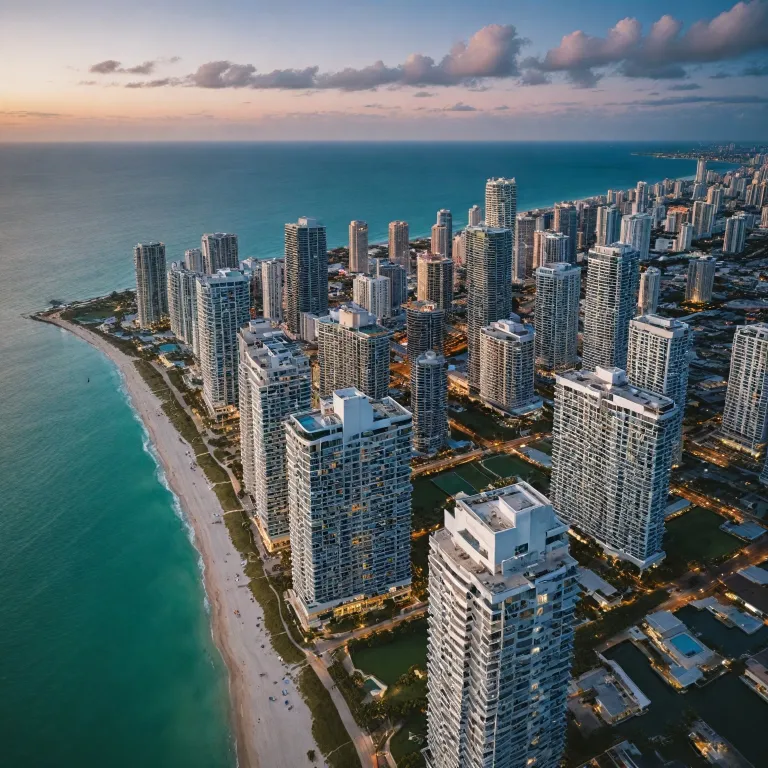
Structural challenges facing Miami’s luxury beachfront high rises
Miami’s luxury condos and hotels have long been symbols of elegance, offering panoramic views of the Atlantic and direct access to pristine beaches. However, recent research has brought to light a pressing concern: the phenomenon of sinking, or subsidence, affecting high rises along Miami Beach, Sunny Isles, and Bal Harbour. The University of Miami study, utilizing advanced Interferometric Synthetic Aperture Radar (InSAR) technology, identified 35 buildings experiencing subsidence ranging from 2 to 8 centimeters. This includes renowned addresses such as the Porsche Design Tower, Trump Tower III, and the Ritz-Carlton Residences, all situated on coveted barrier islands.
Subsidence is not merely a technical term; it represents a tangible risk to the structural integrity of luxury beachfront buildings. The study’s findings underscore the importance of ongoing monitoring and proactive maintenance for both new and established properties. With 50% of affected buildings less than 10 years old, the issue transcends age and highlights the influence of construction methods, soil composition, and the relentless impact of rising sea levels. As Miami continues to attract global travelers seeking high-end accommodations, understanding the implications of subsidence is crucial for informed booking decisions.
For travelers, the allure of Miami’s isles and high rises is undeniable, but it is essential to remain aware of the evolving risks. Consulting recent building assessments and engaging with property management can provide reassurance regarding safety and maintenance. The city’s unique geography, characterized by barrier islands and proximity to the ocean, makes it particularly susceptible to differential subsidence and the challenges posed by climate change. The expertise of researchers and local authorities is instrumental in safeguarding the future of Miami’s luxury hospitality sector.
How subsidence impacts luxury condos hotels and guest experiences
When booking a stay in Miami’s luxury condos hotels, guests expect not only opulence but also safety and structural reliability. Subsidence, the gradual sinking of the ground beneath buildings, can compromise these expectations if not properly managed. The University of Miami’s study revealed that subsidence is not isolated to older structures; even recently constructed high rises in areas like Sunny Isles Beach and Miami Beach are affected. This reality has prompted both property owners and local government authorities to intensify monitoring and implement stricter inspection protocols.
Guests may notice subtle signs of subsidence, such as uneven floors or minor cracks, which can detract from the overall luxury experience. More significantly, unchecked subsidence can lead to structural concerns that impact the long-term viability of high-end hotels and condos. The Miami Herald has reported on the growing awareness among residents and travelers, emphasizing the need for transparency and regular communication regarding building safety. For those seeking premium accommodations, it is advisable to inquire about recent structural evaluations and ongoing maintenance efforts.
To further explore the implications of subsidence on Miami’s hospitality landscape, travelers can consult resources like the Miami luxury hotel safety guide. This guide provides up-to-date information on building assessments, expert recommendations, and practical tips for ensuring a secure and enjoyable stay. By staying informed, guests can confidently enjoy the vibrant culture, stunning beaches, and world-class amenities that define Miami’s luxury sector.
Expert insights: The role of research and monitoring in Miami’s high rises
The University of Miami Rosenstiel School of Marine, Atmospheric, and Earth Science has been at the forefront of investigating subsidence in Miami’s luxury high rises. Their innovative use of satellite-based radar technology has enabled precise measurement of ground movement across a 12-mile stretch from Miami Beach to Sunny Isles Beach. This research has not only identified the extent of subsidence but also provided valuable insights into its underlying causes, including soil composition, groundwater dynamics, and the cumulative weight of high-rise construction.
Experts emphasize that while minor subsidence is common in coastal environments, significant or uneven sinking can pose serious risks to structural integrity. The study’s findings have prompted local government authorities to enhance building codes, enforce regular inspections, and prioritize the safety of residents and guests. The collaboration between researchers, property owners, and regulatory bodies exemplifies a proactive approach to managing the challenges associated with Miami’s unique geography and climate.
For those interested in the technical aspects of subsidence monitoring, the Miami high-rise structural analysis report offers a comprehensive overview of the methods and tools used in recent studies. This resource is invaluable for travelers, investors, and industry professionals seeking to understand the complexities of building safety in South Florida’s luxury market. The continued partnership between academic institutions and local authorities ensures that Miami remains at the forefront of urban resilience and innovation.
Luxury beachfront living: Navigating climate and construction risks
Miami’s reputation as a premier destination for luxury beachfront living is built on its stunning architecture, vibrant culture, and enviable climate. However, the interplay between construction practices, rising sea levels, and the city’s location on barrier islands presents unique challenges. Differential subsidence, where parts of a building settle at varying rates, can lead to structural stress and the need for costly repairs. This phenomenon is particularly relevant in high rises along Miami Beach, Sunny Isles, and Bal Harbour, where the demand for luxury accommodations continues to grow.
Climate change has intensified concerns about the long-term sustainability of Miami’s luxury condos hotels. Rising sea levels and increased storm activity place additional pressure on coastal infrastructure, necessitating adaptive design and robust maintenance strategies. The expertise of engineers, architects, and researchers is critical in developing solutions that balance aesthetic appeal with structural resilience. Properties like the Faena Hotel, Surf Club, and other iconic addresses have invested in advanced monitoring systems and reinforced construction techniques to mitigate the effects of subsidence and sea level rise.
Travelers seeking the ultimate luxury experience should prioritize properties that demonstrate a commitment to safety, transparency, and environmental stewardship. By choosing accommodations with a proven track record of structural integrity and proactive management, guests can enjoy the best of Miami’s isles beach lifestyle while minimizing potential risks.
The role of local authorities and industry standards in safeguarding guests
Local government authorities in Miami Dade have responded to the findings of the University of Miami study by strengthening building codes and inspection protocols. These measures are designed to ensure that luxury condos hotels meet the highest standards of safety and structural integrity. Regular assessments, transparent reporting, and collaboration with industry experts are now integral to the management of high rises in Miami Beach, Sunny Isles, and Bal Harbour.
Residents and property owners play a vital role in maintaining the safety of their buildings. By staying informed about the latest research and participating in community initiatives, stakeholders can advocate for continued investment in monitoring and maintenance. The Miami Herald has highlighted the importance of open communication between property managers, guests, and regulatory bodies, fostering a culture of trust and accountability within the luxury hospitality sector.
Industry standards are evolving to address the unique challenges posed by Miami’s geography and climate. The adoption of advanced technologies, such as InSAR and geospatial analysis software, enables early detection of subsidence and timely intervention. For travelers, these advancements translate into greater peace of mind when booking accommodations in high rises along the coast. By supporting properties that adhere to rigorous safety protocols, guests contribute to the ongoing resilience of Miami’s luxury market.
Traveler guidance: Making informed choices in Miami’s luxury market
For those planning a stay in Miami’s luxury condos hotels, due diligence is essential. Guests are encouraged to review recent building assessments, consult with property management, and seek out accommodations with a demonstrated commitment to safety and maintenance. The University of Miami study serves as a reminder that even the most prestigious addresses are not immune to the effects of subsidence and climate-related challenges.
“Stay informed about the structural integrity of accommodations when visiting Miami. Consider consulting local authorities or property management for recent building assessments.” This expert guidance underscores the importance of proactive engagement when selecting a hotel or residence. By prioritizing transparency and open communication, travelers can ensure a secure and enjoyable experience in Miami’s high rises.
The city’s dynamic landscape, shaped by its beaches, isles, and iconic towers, continues to attract discerning visitors from around the world. By staying informed and making thoughtful choices, guests can fully appreciate the luxury and vibrancy that define Miami’s hospitality sector. The ongoing collaboration between researchers, industry professionals, and local authorities ensures that the city remains a leader in both innovation and guest safety.
Future outlook: Innovation and resilience in Miami’s luxury hospitality sector
Miami’s luxury condos hotels are at the forefront of adapting to the challenges posed by subsidence, climate change, and evolving guest expectations. The integration of advanced monitoring technologies, reinforced construction methods, and sustainable design principles is shaping the future of high rises along Miami Beach, Sunny Isles, and Bal Harbour. These innovations not only enhance structural integrity but also contribute to the long-term viability of the city’s hospitality industry.
Researchers and experts continue to collaborate with local authorities and property owners to develop best practices for managing subsidence and related risks. The lessons learned from recent studies are informing the design and maintenance of new developments, ensuring that Miami remains a desirable destination for luxury travelers. As the city navigates the complexities of rising sea levels and differential subsidence, a commitment to resilience and excellence will define its ongoing success.
For travelers, the future of Miami’s luxury market promises continued investment in safety, sustainability, and guest satisfaction. By choosing properties that embrace innovation and transparency, guests can enjoy unparalleled experiences while supporting the city’s efforts to address the challenges of its unique environment. The enduring appeal of Miami’s beaches, isles, and high rises is matched only by the dedication of those working to preserve and enhance its luxury hospitality offerings.
Key statistics on Miami luxury condos hotels and subsidence
- 35 buildings identified with subsidence by the University of Miami study
- Subsidence observed ranges from 2 to 8 centimeters
- 50% of affected buildings are less than 10 years old
Frequently asked questions about Miami luxury condos hotels sinking
What is subsidence?
Subsidence is the gradual sinking or settling of the ground's surface, which can affect structures built upon it.
Which buildings are affected by subsidence in Miami?
The study identified 35 buildings, including the Porsche Design Tower, Trump Tower III, and the Ritz-Carlton Residences, experiencing subsidence.
Is subsidence dangerous for buildings?
While minor subsidence is common, significant or uneven subsidence can lead to structural damage and safety concerns.